

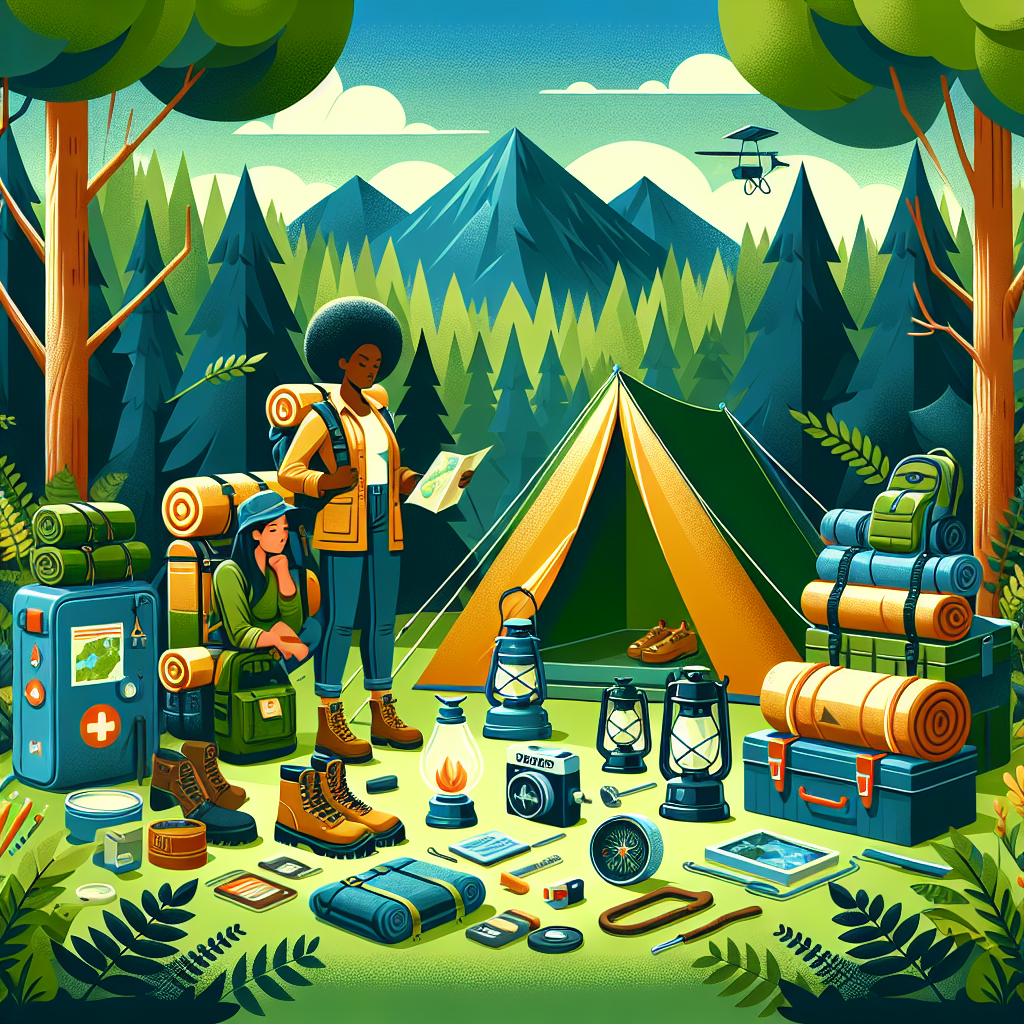

Camping is more than just a recreational activity; it’s a journey into nature where memories are crafted, and moments are cherished. For both novice and seasoned outdoor enthusiasts, having the right equipment can make or break your camping experience. When planning your next adventure, you’ll want to ensure that your bag is packed with the 10 essential camping gear must-haves to keep you safe, comfortable, and connected to the wild.
Let’s explore these essentials, integrate personal stories, and share lessons learned from countless nights under the stars.
The Tent: Your Safe Haven
A good tent is the heart of your campsite. It’s your shelter, your home away from home, and where many stories unfold.
Why It Matters: A quality tent protects you from the elements while providing a comfortable resting space.
Anecdote: I remember my first camping trip, where I underestimated the power of a quality tent. Caught in a surprise downpour, I quickly learned that my flimsy, budget-friendly option was less than effective. My gear soaked, I spent a damp night shivering while listening to the rain pounding on the canvas. Since then, I’ve invested in a waterproof, sturdier model that has kept me cozy in even the harshest conditions.
How-To Select: Look for tents labeled as three-season to ensure durability against both sun and rain. Consider weight and ease of setup, particularly for backpacking trips.
Sleeping Bag: Your Comfort Zone
A cozy sleeping bag is crucial for restful nights under the stars.
Why It Matters: A quality sleeping bag ensures a good night’s sleep, which is vital for an enjoyable camping experience.
Anecdote: On a chilly fall camping trip, I arrived armed with my best sleeping bag—one rated for cold weather. My friend, however, brought a standard summer bag—let’s just say our morning conversations revolved around his frosty night spent blending into the foliage. The warmth of the right sleeping bag can transform your experience.
How-To Choose: Check temperature ratings and look for durability and weight. Down bags are warmer but can be pricier; synthetic options are easier to maintain.
Camping Stove: Culinary Adventures Await
Eating outdoors can be one of the most delightful aspects of camping.
Why It Matters: A reliable camping stove allows you to whip up delicious meals at the campsite, making your outdoor dining experience enjoyable.
Anecdote: I once tried to cook spaghetti on an open fire, which resulted in a lovely side of charred noodles. The next trip, I brought along a portable gas stove, which made cooking not just easier but also more fun. We ended up preparing gourmet meals that buzzed with energy, transforming basic ingredients into culinary masterpieces.
How-To Use: Familiarize yourself with your stove’s operation before your trip. Bring along compatible fuel canisters and essential cooking utensils.
First Aid Kit: Safety First
Accidents can happen in a blink, which is why a first aid kit is a non-negotiable.
Why It Matters: Being prepared for injuries and ailments keeps the adventure going without unnecessary interruptions.
Anecdote: During a hike, I slipped and scraped my knee. Thanks to my first aid kit, I promptly cleaned and bandaged the wound, allowing us to continue our adventure instead of heading back to camp.
How-To Build: Ensure your kit includes basic necessities: band-aids, antiseptic wipes, pain relievers, and any personal medication.
Headlamp: Illuminating the Unknown
When the sun sets, your campsite doesn’t have to be lost in darkness.
Why It Matters: A reliable headlamp allows you to navigate your surroundings at night and keeps your hands free for tasks.
Anecdote: Once at a remote site, I learned the hard way how vital a headlamp can be. Stumbling around in the dark for a flashlight led to nearly tripping over a log—now I always keep a headlamp handy for stable hands and bright visibility.
How-To Choose: Look for one with adjustable brightness settings and good battery life. Lightweight models are preferable, especially on longer hikes.
Multi-Tool: Your Versatile Ally
A multi-tool can tackle a myriad of camping tasks with ease.
Why It Matters: Its versatility makes it a must-have for repairs, cooking, and other campsite tasks.
Anecdote: During one adventure, I realized the challenge of eating canned food without a can opener. My multi-tool, however, had me covered. Lesson learned: always be prepared for the unexpected!
How-To Use: Familiarize yourself with your multi-tool’s features beforehand and know your way around each option.
Water Purification System: Stay Hydrated
Clean water is essential for any camping trip.
Why It Matters: Access to safe drinking water keeps you hydrated and energized, helping you enjoy your outdoor activities to the fullest.
Anecdote: On a particularly hot summer outing, we underestimated our water needs. Luckily, I packed a purification system, and we were able to fill our bottles from a nearby stream, feeling like seasoned adventurers in the wild.
How-To Choose: Invest in a reliable filter system or purification tablets. Read reviews based on where you’ll be camping, as certain systems work better in different environments.
Portable Charger: Stay Connected
Staying connected isn’t just for convenience; it can also be about safety.
Why It Matters: A portable charger keeps your devices operational for navigation, emergencies, and sharing your adventures online.
Anecdote: During a trip, I lost track of time hiking and nearly missed a rendezvous with our group. A dying phone left me in a minor pickle until I realized I had forgotten my portable charger. Now it always accompanies me on every venture.
How-To Use: Look for lightweight chargers that have a battery capacity suitable for your devices, ensuring you can recharge multiple times.
Adventure Backpack: Carry It All
Your backpack is your transportation system for all essential gear.
Why It Matters: A well-designed backpack ensures even weight distribution, making it easier to hike long distances while carrying all your gear.
Anecdote: I once misjudged the pack size, opting for a sleek model that didn’t have enough space for my gear. After a few miles, the discomfort grew unbearable. Since then, I’ve opted for a larger pack with features designed for comfort and functionality.
How-To Choose: Look for adjustable straps, breathable fabric, and sufficient space to accommodate your gear. Check for hydration compatibility too.
Camp Chairs: Relaxation Essentials
After a long day of exploring, nothing beats sinking into a comfortable chair.
Why It Matters: Camp chairs provide a cozy space to relax, swap stories, and enjoy the campfire.
Anecdote: On one memorable trip, we set up our chairs around a fire and spent hours under the stars, sharing stories and laughter. The right chair changes everything—the comfort means you’re more likely to linger in those moments.
How-To Select: Choose lightweight, portable chairs that are easy to set up and take down, preferably with strong support for long-lasting comfort.
Wrap-Up / Key Takeaways
As you prepare for your next outdoor adventure, remember that having the right camping gear can enhance your experience, making it safer, more enjoyable, and ultimately more memorable. From tents to multi-tools, each item plays a vital role in ensuring your trip is successful and filled with discoveries.
Remember these 10 essential camping gear must-haves, and you’ll be well on your way to creating unforgettable memories in the wild!
Reader Questions Answered
1. What is the best tent for a family camping trip?
For family trips, opt for a spacious tent with room dividers and a high peak height for comfort. Look for models with durable materials and good weather resistance.
2. How do I choose the right sleeping bag for different seasons?
Choose sleeping bags rated for the temperatures you expect. For summer, select one rated for higher temperatures, while winter trips require a bag with a lower rated temperature.
3. Can I purify water from any source?
While many filters work on a variety of sources, avoid purifying water from stagnant ponds or heavily contaminated areas. Always check your filter’s specifications.
4. How should I pack my camping gear in a backpack?
Balance the weight—heavier items should be close to your back and center of gravity. Distribute lighter items around for stability.
5. Is it necessary to bring a camp chair?
While not essential, a camp chair adds significant comfort when relaxing around the fire or enjoying meals, enhancing your overall camping experience.
FAQs
1. What’s the most important piece of camping gear?
While all gear is important, having a reliable shelter (tent) is crucial to protect you from the elements.
2. How do I clean my camping stove after use?
Wait until it cools, wipe down surfaces with a damp cloth, and disassemble parts if necessary for a thorough cleaning.
3. Can I use regular household water bottles for camping?
While they can work, consider investing in durable, insulated bottles designed for outdoor use that withstand temperature and trail conditions.
4. What should I look for in a good camping backpack?
Look for adjustable straps, ventilation, durable material, and a size that fits your needs, ensuring it can carry all essential gear comfortably.
5. How do I know if my gear is suitable for camping?
Research gear specifications, read reviews, and consult seasoned campers or outdoor experts to ensure that the equipment you choose fits your camping needs and environment.
Embrace the outdoors with confidence and enjoy the adventure awaiting you alongside nature!