

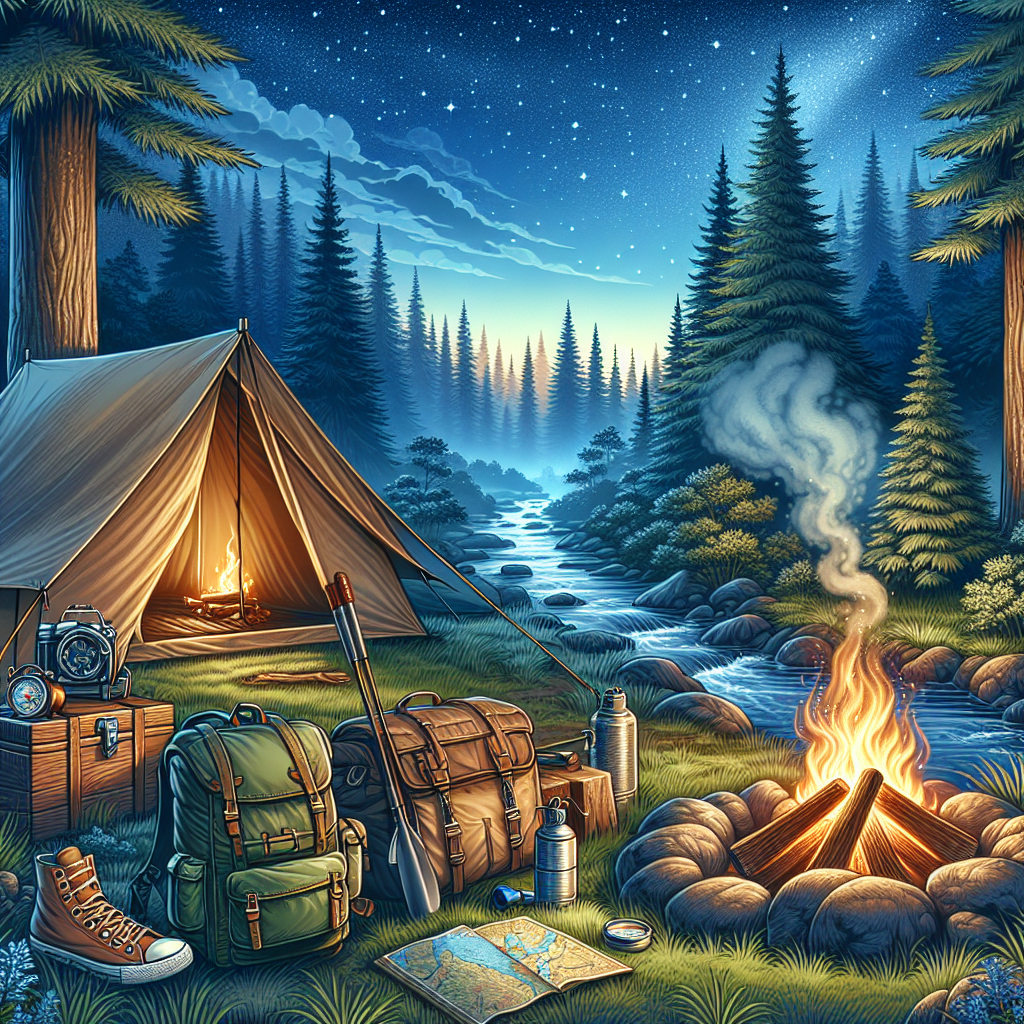

Picture this: the sun dips below the horizon, painting the sky a spectrum of oranges and pinks, a gentle breeze rustles through the trees, and the sound of a bubbling creek fills the air. You’re on the brink of an unforgettable wilderness camping adventure, but without the right preparation, that dreamy experience can quickly become a chaotic challenge. Wilderness camping opens up a world of exploration, adventure, and connection with nature, but safety is paramount. Are you ready to embark on this journey? Let’s delve into ten essential tips that will ensure your wilderness camping trip is both safe and downright spectacular.
Wilderness camping isn’t just about throwing a tent in the woods; it’s about forging a deeper connection with the environment and understanding how to navigate its challenges. Whether you’re a seasoned camper or a first-timer, these nuggets of wisdom combine educational insight with personal experiences, making them easy to absorb and implement. Let’s get started on paving the way for your next adventure!
Choose the Right Location
Selecting the perfect camping spot is crucial, as it sets the tone for your entire experience. Always consider factors like proximity to water sources, terrain, and the likelihood of wildlife encounters. When I planned a trip to the stunning Yosemite National Park, I spent hours researching potential sites. I chose a secluded area near a flowing river, which not only provided drinking water but also a soothing soundtrack of nature.
However, safety is just as important as scenery. Before you set out, check local guidelines regarding camping limits and any potential fire restrictions. Familiarize yourself with the terrain – this knowledge can be a lifesaver when the weather shifts unexpectedly.
Prepare Adequate Gear
Packing the right gear is your first line of defense against the unpredictabilities of wilderness camping. Essential items include a durable tent, sleeping bag, and cooking gear. I once assumed I could improvise without a proper camping stove during a chilly autumn trip. After a long day of hiking, the cold, raw energy bars I was forced to consume made me wish I had been better prepared!
Make a checklist of essential items, keeping in mind the specific conditions of your camping location. Equipment such as water purification systems, first aid kits, and multitools can turn a stressful situation into a minor inconvenience.
Learn Basic Survival Skills
When venturing into the wilderness, it’s vital to know how to handle unexpected situations. Basic survival skills like building a fire, identifying edible plants, and basic first aid can be invaluable. During one unforgettable trip in the Appalachian Mountains, we encountered a severe thunderstorm. Knowing how to quickly gather wood and build a shelter kept us safe and dry while the storm passed.
Consider taking a wilderness survival class or reading relevant literature before you head out. The knowledge gained will not only enhance your confidence but also increase your respect for nature.
Check the Weather Forecast
Weather conditions in wilderness areas can shift dramatically. It’s essential to check the forecast before heading out and regularly throughout your trip. I recall a weekend camping trip where sunny skies morphed into thunderous clouds within hours. Having been warned of rain, I packed a waterproof tarp which proved invaluable for staying dry and shielded as the winds howled.
Always have contingency plans for severe weather, including finding safe shelter or returning to basecamp if conditions become dangerous. Being prepared can turn a potential nightmare into just another part of the adventure.
Follow Leave No Trace Principles
Respecting nature is integral to any wilderness camping trip. Follow Leave No Trace principles to minimize your impact on the environment. This means packing out all trash, minimizing campfire scars, and respecting wildlife. I’ve witnessed firsthand the difference responsible camping can make – an area near a secluded lake I once visited was pristine and teeming with wildlife, unlike another site overwhelmed by litter and disturbances.
Whenever possible, stick to established trails and campsites. Doing so preserves the beauty of the wilderness for future explorers and keeps our environment thriving.
Stay Hydrated and Nourished
Without proper hydration and nutrition, even the most thrilling adventure can quickly turn into a struggle. Carry enough water and snacks to keep your energy levels up while exploring. On a strenuous trek last summer, I neglected to drink enough water. By the time I reached camp, I was utterly exhausted and borderline dehydrated. A fellow camper offered me hydration tablets which got me back on track.
Use smart strategies to ensure you stay fueled and hydrated, such as carrying portable water filters or purification tablets. Meal prepping lightweight, nutrient-rich snacks can keep your energy peaking during long hikes.
Set Up a Safe Camp
When it’s time to set base, make sure your campsite is safe and secure. Look for flat ground, away from potential hazards like falling branches or flooding. I learned this the hard way when I camped under a precarious overhang during a nighttime storm; I spent a sleepless night anxiously hoping the rain wouldn’t dislodge debris above me!
Also, set up your cooking area away from your sleeping area to minimize the risk of attracting bears or other wildlife. A safe camp sets the foundation for relaxation and enjoyment.
Maintain Bear Safety
In areas where bears are prevalent, understanding bear safety is crucial. This includes storing food properly and knowing how to react if you do encounter one. On a trip to Glacier National Park, I was fortunate to attend a bear safety workshop, where I learned to use bear-proof containers and how to hang food securely. It was an eye-opening experience that left me feeling more confident about camping in bear country.
Always know the specific wildlife risks in your camping area and prepare accordingly. Ignorance can lead to dangerous encounters, but knowledge can ensure a safer, more enjoyable experience.
Engage with Fellow Campers
Don’t underestimate the power of community. Engaging with fellow campers can lead to shared tips, advice, and even new friendships. During one memorable camping trip, I spontaneously joined a communal campfire dinner with neighboring groups. The stories shared filled me with inspiration and renewed appreciation for nature’s beauty.
So, whether it’s swapping recipes or discussing gear, don’t hesitate to reach out and connect. The wilderness is often more enjoyable when shared with others.
Respect Yourself and Your Limits
Finally, understanding your physical and mental limits is paramount. Wilderness camping can be both exhilarating and exhausting, so listen to your body. On a particularly challenging hike, I pushed myself too far, risking injury and fatigue. Learning to pace myself and know when to take a break was a hard-won lesson.
Remember, it’s perfectly acceptable to adjust your plans as needed. This ensures you remain safe while fully engaging in the experience.
Key Takeaways
In conclusion, wilderness camping is an extraordinary way to connect with nature, but it demands preparation, respect, and awareness. Choosing the right location, packing essential gear, understanding survival skills, and adhering to Leave No Trace principles will transform your adventure into a safe and rewarding exploration. The wilderness is full of stories waiting to be uncovered, and with the right preparation, each camping trip can become that unforgettable experience you’ve dreamed of.
Reader Questions Answered
Q: What if I encounter wildlife while camping?
A: Maintain a safe distance, make noise to alert animals of your presence, and never feed them. Always follow guidelines specific to the wildlife in your camping area.
Q: How do I know if my camping gear is adequate?
A: Research the conditions of your camping site and read reviews on gear specific to similar conditions. Test your gear beforehand to ensure it meets your needs.
Q: What’s the best way to stay safe from bad weather?
A: Keep updated with weather forecasts, have a contingency plan, and always have the appropriate shelter, such as a waterproof tent.
Q: Can I go camping alone safely?
A: Yes, solo camping can be rewarding but requires extra caution. Inform someone of your plans, choose well-populated areas, and stay aware of your surroundings.
FAQs
Q: What are essential items to bring for wilderness camping?
A: Essential gear includes a tent, sleeping bag, cooking supplies, first aid kit, and adequate clothing for weather conditions.
Q: How can I purify water while camping?
A: Use water filters, purification tablets, or boil water for at least one minute to ensure safety.
Q: Is it okay to cook at my campsite?
A: Yes, but do so at least 200 feet away from your sleeping area and ensure food is secured to avoid attracting wildlife.
Remember, the key to a spectacular wilderness camping experience lies in preparation, respect for nature, and listening to your instincts. Now, pack your gear, lace up your boots, and take that leap into the great outdoors – incredible adventures await!