

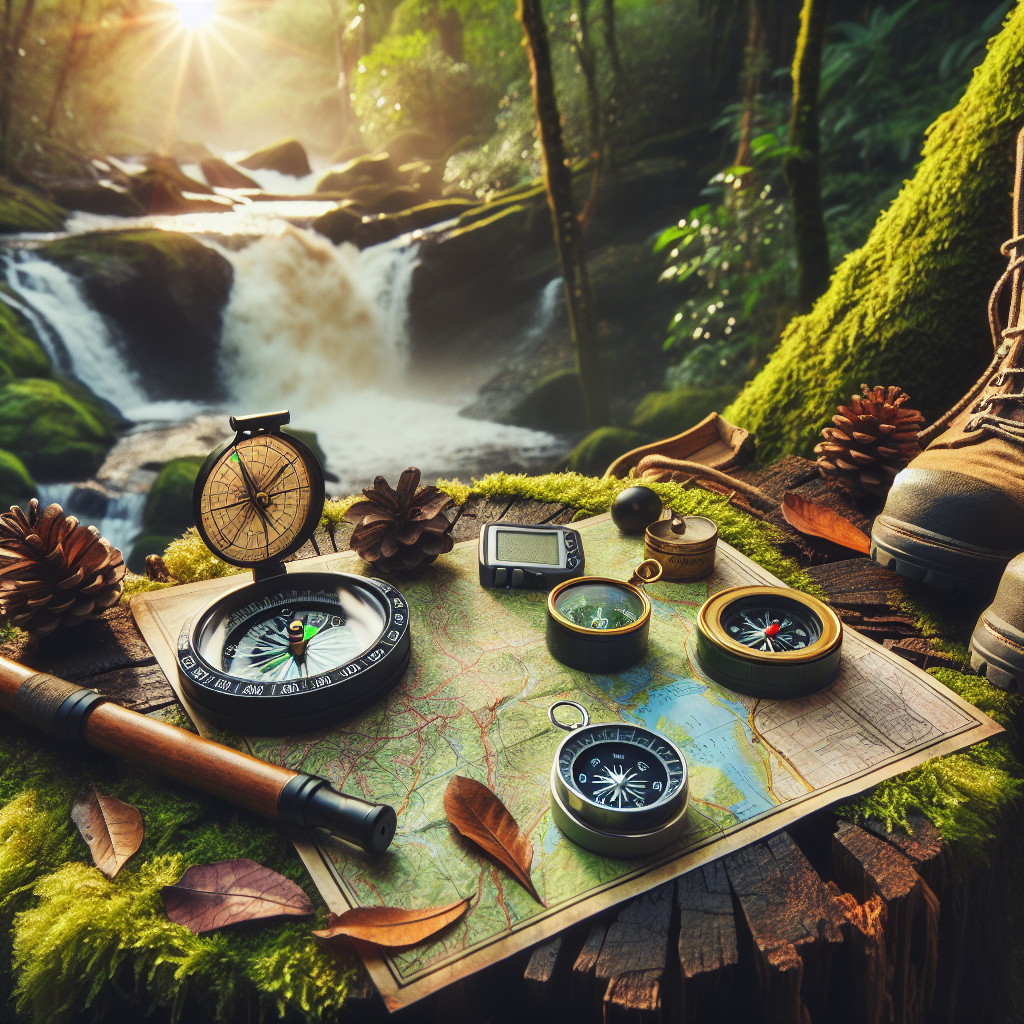

Navigating the great outdoors can be both exhilarating and intimidating. As an outdoor enthusiast, mastering the essential navigation skills is crucial not just for reaching your destination, but also for ensuring your safety. In this blog post, we will explore the 7 must-know navigation skills for adventurers that will equip you with the confidence and knowledge to traverse through unknown terrains. Drawing from personal experiences and lessons learned along the way, we’ll delve into everything from traditional maps to the latest GPS technology.
Understanding the Importance of Navigation Skills
Imagine you’re standing at the base of a breathtaking mountain range, the hint of adventure sparking in your veins. But as you prepare to ascend, your heart races not from excitement, but from the realization that you’ve lost your way. This scenario illustrates the critical importance of navigation skills. Whether you’re hiking, backpacking, or simply exploring the woods, knowing how to read a map, use a compass, or navigate via GPS can mean the difference between a thrilling experience and a disorienting ordeal.
1. Mastering the Art of Reading Maps
Reading maps is an age-old skill that remains fundamental to navigation. While smartphones and GPS devices offer convenience, having a physical map can be a lifesaver in areas with poor reception.
Why It Matters
A map provides information about the terrain, elevation, and various landmarks that can be crucial in understanding your surroundings.
How to Read a Map
- Familiarize Yourself with Symbols: Each map uses its own set of symbols. Spend time learning what they mean before you set out.
- Identify Your Location: Use visible landmarks to find your position on the map.
- Determine Directions: Use the map scale to measure distances and get a sense of the terrain.
Personal Anecdote
On my first solo hiking trip, I relied solely on my phone’s GPS. Mid-trail, I lost signal and was left with only a paper map. Panic set in until I remembered the basics: I found my bearings by identifying nearby peaks and streams. It was a humbling experience that reinforced the importance of old-school navigation skills.
2. Using a Compass
A compass is an essential tool that works beautifully when paired with a map, allowing you to plot a course in any environment.
Why It Matters
Understanding how to use a compass not only guides your direction but also builds confidence in your navigation abilities.
How to Use a Compass
- Align the Compass with the Map: Place the compass on the map and rotate it so the North on the compass aligns with the North on the map.
- Determine Your Bearing: Identify your destination and adjust your compass to find the bearing you need to follow.
- Follow the Bearing: Keep the compass level and walk in the direction indicated.
Personal Anecdote
During a winter hike in the Cascade Mountains, I relied heavily on my compass after a sudden snowstorm obscured the trails. The visibility was low, but I could still navigate using the compass and my map. Reaching my destination felt like a victory, a testament to the skills I had honed.
3. The Essentials of GPS Navigation
GPS technology is often considered a modern adventurer’s best friend. It’s quick, accurate, and can be a lifesaver when used correctly.
Why It Matters
Knowing how to interpret GPS data can help pinpoint your current location, track your route, and provide detailed maps of your surroundings.
How to Use GPS Effectively
- Download Offline Maps: Before heading out, download maps for the area you’ll be exploring.
- Familiarize Yourself with the Device: Spend time understanding the features and settings of your GPS device or app.
- Stay Aware of Your Surroundings: Don’t rely solely on the GPS; keep looking around.
Personal Anecdote
On a trip to a remote national park, my GPS saved me during a detour through dense woods. The device not only guided me back to the main trail but also alerted me to nearby points of interest. However, it was essential to maintain a sense of direction and not become too dependent on technology.
4. The Basics of Terrain Navigation
Understanding the terrain is crucial in making informed decisions while exploring. Knowledge of elevation changes, hills, and valleys can guide you effectively.
Why It Matters
Navigating varying terrains can influence your pace and approach to a route, impacting safety.
How to Analyze the Terrain
- Consult Topographical Maps: Learn to identify elevation lines and other terrain features.
- Utilize Landmarks: Mountains, rivers, and other features can serve as natural navigational aids.
- Be Cautious of Hazards: Identify potential hazards such as cliffs or challenging terrains.
Personal Anecdote
While hiking in the Rockies, I encountered a steep incline that required more energy than I anticipated. Understanding the topographical features from my map helped me plan rest spots and avoid overexertion.
5. Practicing Situational Awareness
Being aware of your surroundings is a vital navigation skill that often gets overlooked.
Why It Matters
Situational awareness allows you to recognize changes in weather, terrain, and potential hazards while navigating.
How to Develop Situational Awareness
- Check Weather Alerts: Be aware of weather patterns and adapt your plans accordingly.
- Be Attentive to Changes in the Environment: Observe subtle changes like animal tracks or changes in vegetation to inform your route.
- Stay Engaged: Regularly check in with your map or GPS to ensure you are still on track.
Personal Anecdote
On a fishing trip, I ignored subtle shifts in the weather. Suddenly, a thunderstorm hit, forcing me to navigate quickly to safety. Had I been more aware, I could have avoided the chaos and found a sheltered spot sooner.
6. Backtracking Skills
Knowing how to backtrack can be one of your most valuable tools when you’ve lost your way.
Why It Matters
Sometimes the best strategy is to retrace your steps to find familiarity when navigating.
How to Backtrack
- Mark Your Path: Use cairns, GPS markers, or unique landmarks to identify your trail.
- Stay Calm and Focused: Panicking will only cloud your judgment; take a moment to think.
- Consult Your Map or GPS: Use your devices to guide you back to known points.
Personal Anecdote
During a solo excursion in a national forest, I made an impulse decision to explore a side trail that quickly led to confusion. Recognizing my surroundings started to blend, I used my marked path and retraced my steps back to safety, learning that rushing into decisions can lead to doubt.
7. Emergency Navigation Strategies
It’s crucial to have a set of strategies for emergencies where you might need to navigate out of a sticky situation fast.
Why It Matters
Emergencies can arise unexpectedly. Being equipped with navigation strategies can be life-saving.
Emergency Navigation Tips
- Know Basic Survival Skills: Familiarize yourself with survival navigation techniques without tools, like recognizing the sun’s position or moss growth.
- Remain Calm: Your mind is your most important navigation tool; stay composed to think clearly.
- Have a GPS Backup: Always have a backup device, software, or a friend to keep track of your route.
Personal Anecdote
While hiking in a remote area, I faced a sudden equipment failure when my GPS device died. Using the compass and following the sun’s position, I found my way back. It taught me the vital importance of planning for the unexpected.
Key Takeaways
Mastering navigation skills is a fundamental part of any adventurous outdoor experience. From understanding maps and using compasses to situational awareness and emergency navigation strategies, building these skills can significantly enhance your safety and enjoyment outdoors.
Practice these skills regularly, and you’ll gain not just knowledge but also confidence for future adventures. Remember, the wilderness may be unpredictable, but with the right navigation skills, you’ll always find your way home.
Reader Questions Answered
1. How can I improve my map-reading skills?
Start by engaging in activities such as geocaching, which involves searching for hidden items using maps, or practice different topographical maps to familiarize yourself with various symbols and scales.
2. Is GPS always reliable?
While GPS is a powerful tool, it’s not infallible. It can lose signal in dense forests or mountainous areas, so always carry a backup map and compass.
3. What is the best way to stay aware of my surroundings?
Consistency is key—frequently look around as you walk and check your map or GPS regularly, considering terrain features and weather changes.
FAQs
1. What should I pack for navigation?
Always carry a physical map, compass, GPS device, and a notebook for route planning.
2. How often should I practice navigation skills?
Regular practice is beneficial. Consider planning at least one trip per season where you focus explicitly on navigation.
3. Can I rely solely on technology for navigation?
While technology is useful, it’s crucial to have traditional navigation skills as a backup, especially in areas where reception may be unreliable.
Master these 7 must-know navigation skills for adventurers, and you’ll be better equipped for any journey, armed with the confidence and knowledge to explore the great outdoors safely and enjoyably!