

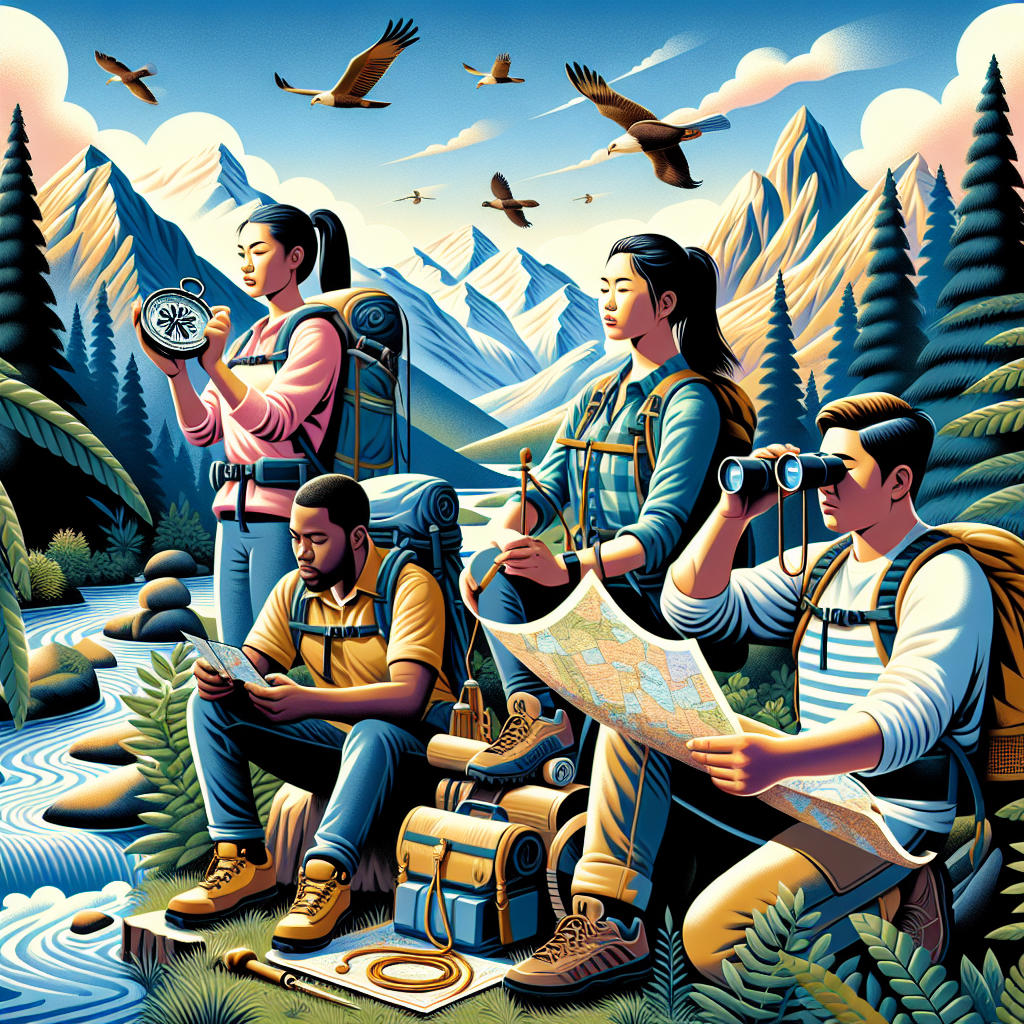

Picture this: You’re standing at a trail junction, the afternoon sun illuminating the beautiful expanse of nature around you. Suddenly, you realize you’ve lost your sense of direction—or worse, you’ve dropped your backpack while taking in the scenery. In the great outdoors, navigating and knowing what to do when you get lost are skills every enthusiast must master. “Lost and Found: Tips for Navigating the Great Outdoors” isn’t just an informative guide; it’s a blend of practical advice and thrilling anecdotes that remind us why being prepared is paramount.
From firsthand experiences of being lost in a sprawling forest to the weighty lessons learned from a friend’s mishaps, this post is set to arm you with knowledge that could save your adventure. Let’s explore actionable steps and insightful narratives that emphasize the importance of awareness, preparation, and resilience in nature.
Understanding the Landscape: Preparations Before You Wander
Before you set foot on any trail, understanding the landscape is vital. Preparation isn’t just about packing your gear; it’s about preparing your mind for the wilderness.
Research Your Route
Knowing the lay of the land contributes significantly to your safety. Before heading out, you should:
-
- Study Maps and Guides: Familiarize yourself with trail maps, topography, and weather conditions. Apps like AllTrails can be helpful companions if you have cellular service.
-
- Learn Key Landmarks: Identify notable landmarks that can help orient you while navigating. Remember that when I was backpacking in the Rocky Mountains, recognizing a distinctive peak saved me from a wrong turn.
-
- Talk to Locals or Parks Staff: Engaging with rangers can unveil hidden insights about the terrain and potential hazards.
Gear Up for Success
Packing the right gear is crucial for outdoor navigation. Essential items include:
-
- A Reliable Compass: Especially important if you find yourself in a dense forest where GPS signals can falter.
-
- GPS Device/Smartphone: These can provide real-time location data but should not replace traditional navigation skills.
-
- Trail Maps: Always carry a physical copy, as electronic devices can fail without service.
-
- Emergency Whistle: A simple tool can be a lifesaver. In a past trip, a friend launched into panic mode when we strayed off the trail. A whistle sped up rescue efforts.
Finding Your Way: Navigation Techniques
Understanding navigation techniques is essential for staying oriented.
Map and Compass Skills
Even in our digital era, knowing how to read a map and use a compass can ensure you don’t become lost. Essential tips include:
-
- Orienting Your Map: Align your map with the terrain. Knowing which direction you’re facing allows you to correlate your surroundings.
-
- Taking Bearings: Measure the angle between your position and your destination. This technique proved invaluable during a solo hike when I accidentally veered off the marked trails.
Utilizing Natural Landmarks
Nature is an excellent guide if you know what to look for. Use the sun’s position, the direction of rivers, and the growth patterns of trees to navigate. For instance, during a camping trip in a dense forest, I used the setting sun’s glow peeking through the trees as a guide back to our campsite.
What to Do When You’re Lost
Getting lost can be a terrifying experience, but knowing how to respond can maintain your peace of mind.
The Stopping Rule
When you realize you’re lost, stop moving. Panic leads to poor decisions.
-
- Assess Your Surroundings: Take a moment to survey where you think you are. This pause allows your mind to regain focus.
Using the S.T.O.P. Method
Remembering the S.T.O.P. acronym can provide calm clarity in dire situations:
-
- S: Stop. Don’t panic; it’s crucial to remain calm.
-
- T: Think. Reflect on your last known position and route taken.
-
- O: Observe. Look for recognizable landmarks or trails.
-
- P: Plan. Decide to either retrace your steps or stay put and signal for help.
On one memorable adventure, I found myself caught in a mist-covered valley, realizing too late that I had wandered too far. Applying the S.T.O.P. method helped me remain composed enough to retrace my steps using recognizable rocks and a creek nearby.
Key Takeaways: Safety Comes First
Experiences in the wilderness, whether triumphant or troublesome, derive their significance from the lessons learned. Before you embark on your next adventure, remember that being prepared and having the right navigation skills can transform your outdoor experience, ensuring you find your way back—both literally and figuratively.
-
- Research your route thoroughly before heading out.
-
- Practice your navigation skills regularly.
-
- Stay calm and collected if you find yourself lost—your mindset matters just as much as your gear.
Reader Questions Answered
Q1: What should I do if I lose my map?
Losing your map can be stressful. If you have a GPS device, rely on it temporarily. Familiar landmarks can guide you, but return to basics—use the sun’s position or patterns in nature.
Q2: Are there apps that help me navigate while hiking?
Yes! Various apps like Offline Maps, AllTrails, and Gaia GPS allow you to download maps for offline use. Always have a backup plan in place.
Q3: What are the best tips for staying calm when lost?
Take a deep breath and remember the S.T.O.P. method. Engage with your surroundings, and if you’re alone, speak out loud. Talking can provide clarity.
FAQs
Q1: What should I carry in my emergency kit?
An emergency kit should include a whistle, a flashlight, first-aid supplies, a thermal blanket, and a fire-starting kit.
Q2: How can I avoid getting lost?
Always take time to orient yourself at trail intersections, use landmarks, and don’t hesitate to turn back if you feel unsure.
Q3: How often should I practice my navigation skills?
Regular practice is essential. Aim to practice navigation with a map and compass at least once a month if you’re a frequent hiker.
Navigating the wild can be daunting, but armed with the right skills and knowledge, you can turn potential pitfalls into memorable adventures. Happy trails!