

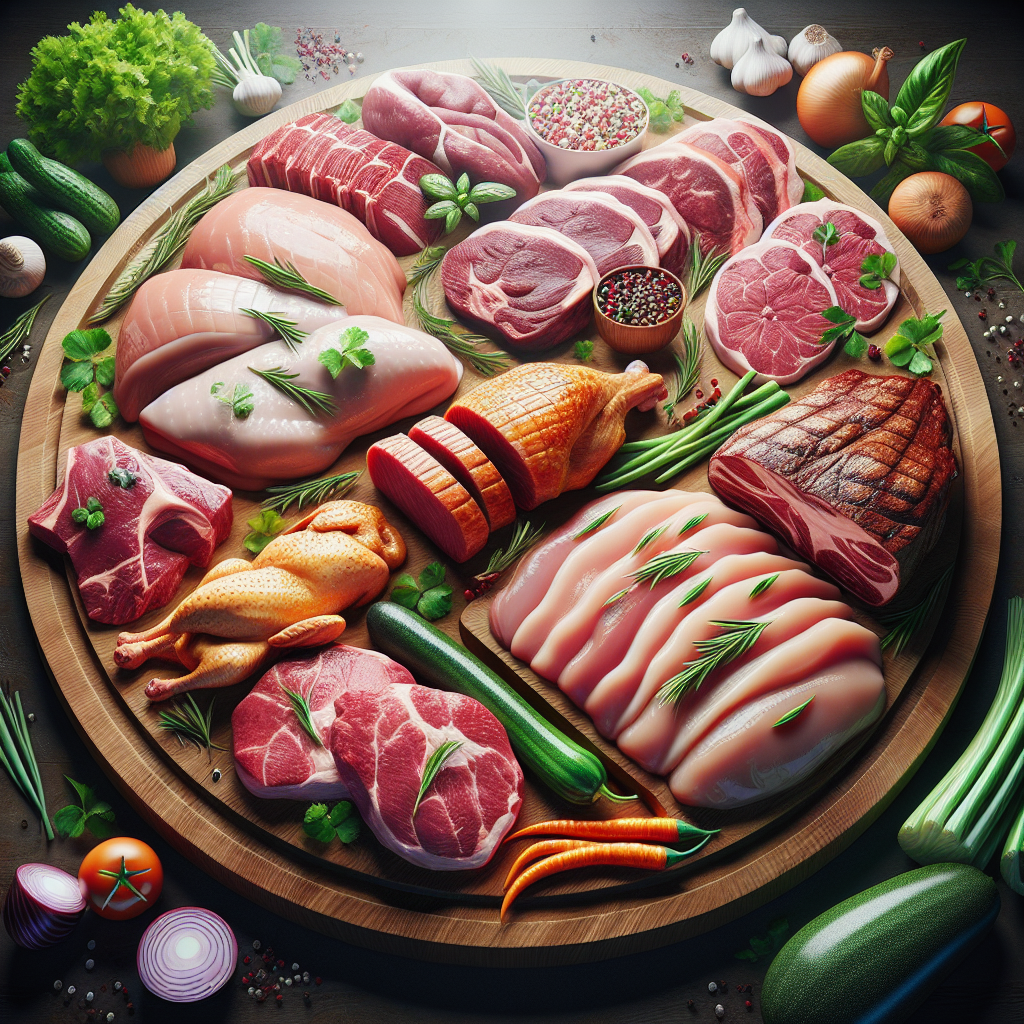

Discover Nutrient-Dense Meat: Boost Health with Every Bite
When it comes to dietary choices that support a healthy lifestyle, few things surpass the nutritional advantages provided by wild game meat. In recent years, many have turned their attention to less conventional protein sources, realizing that nutrient-dense meats like venison, elk, and bison can offer an exceptional array of health benefits. In this post, we’ll delve into the myriad reasons why integrating wild game into your diet can significantly enhance your health—one bite at a time.
The Nutritional Powerhouses of Wild Game
Wild game meat is often leaner than traditional livestock, which means it’s packed with nutrients while minimizing excess fat. Here’s what makes these meats standout:
1. Lower Fat Content
Unlike commercially farmed meats, wild game is typically leaner. For example, venison has about 30% less fat than beef, making it an ideal protein source for those looking to cut unhealthy fats from their diet. This reduction in fat translates to lower calorie counts and can contribute to weight management.
2. Rich in Protein
Wild game is a fantastic source of high-quality protein, essential for muscle repair and growth. A 3-ounce serving of bison meat can provide over 22 grams of protein, making it a perfect option for athletes and anyone seeking to maintain a high-protein diet.
3. Packed with Vitamins and Minerals
Wild game meats are rich in essential nutrients. They often contain higher levels of vitamins B6, B12, niacin, and phosphorus compared to their domestic counterparts. For instance, venison is also a great source of iron, which is crucial for oxygen transport in the blood.
Health Benefits of Including Wild Game in Your Diet
Adding wild game to your diet offers several health benefits that are hard to ignore. Here are a few compelling reasons to make this delicious change:
1. Omega-3 Fatty Acids
Many wild game animals, particularly those that are grass-fed, contain higher omega-3 fatty acid levels. Omega-3s are vital for cognitive function and heart health, contributing to reduced inflammation and improved overall well-being.
2. Sustainability and Ethical Eating
Purchasing wild game can also align with sustainable and ethical eating practices. Many hunters participate in regulated programs that support wildlife conservation, and wild game is often harvested in a way that honors the ecosystem. Picking ethically sourced meats benefits both your health and the environment.
3. Unique Flavors and Culinary Exploration
Wild game meats introduce a breadth of flavors that can enhance your culinary experiences. From smoky venison to rich bison steaks, these meats provide a delectable alternative to standard poultry and beef, promoting variety in your diet.
Practical Tips for Incorporating Wild Game into Your Meals
-
Start Small: If you’re new to wild game, begin with milder flavors such as bison or rabbit, and gradually experiment with more intense meats like elk or moose.
-
Marinate for Tenderness: Wild game can be tougher than traditional meats; using a marinade helps to tenderize it while adding flavor.
-
Cooking Techniques: Opt for slow cooking, grilling, or roasting to bring out the best flavors and maintain the meat’s health benefits.
-
Pairing Ingredients: Use herbs, spices, and fruits to complement the unique flavors of wild game. For instance, juniper berries pair wonderfully with venison.
- Seek Local Sources: Look for local suppliers or butcher shops that offer ethically sourced wild game, ensuring both freshness and quality.
Health Notes
To summarize, incorporating wild game into your meals can provide numerous benefits, including:
- Lower fat content compared to conventional meats.
- High-quality protein essential for health and fitness.
- Rich in vitamins and minerals, aiding overall wellness.
- Higher levels of omega-3 fatty acids, promoting heart health.
- Benefits to sustainability and ethical eating practices.
- The opportunity for culinary exploration with unique flavors.
For additional insights and statistics about wild game, please refer to sources like the National Wildlife Federation and the USDA.
Embracing wild game not only invigorates your meals but also aligns your dietary choices with health-conscious and ethical principles. Start this journey today and savor the breathtaking flavors and health-boosting benefits of nature’s bounty!