

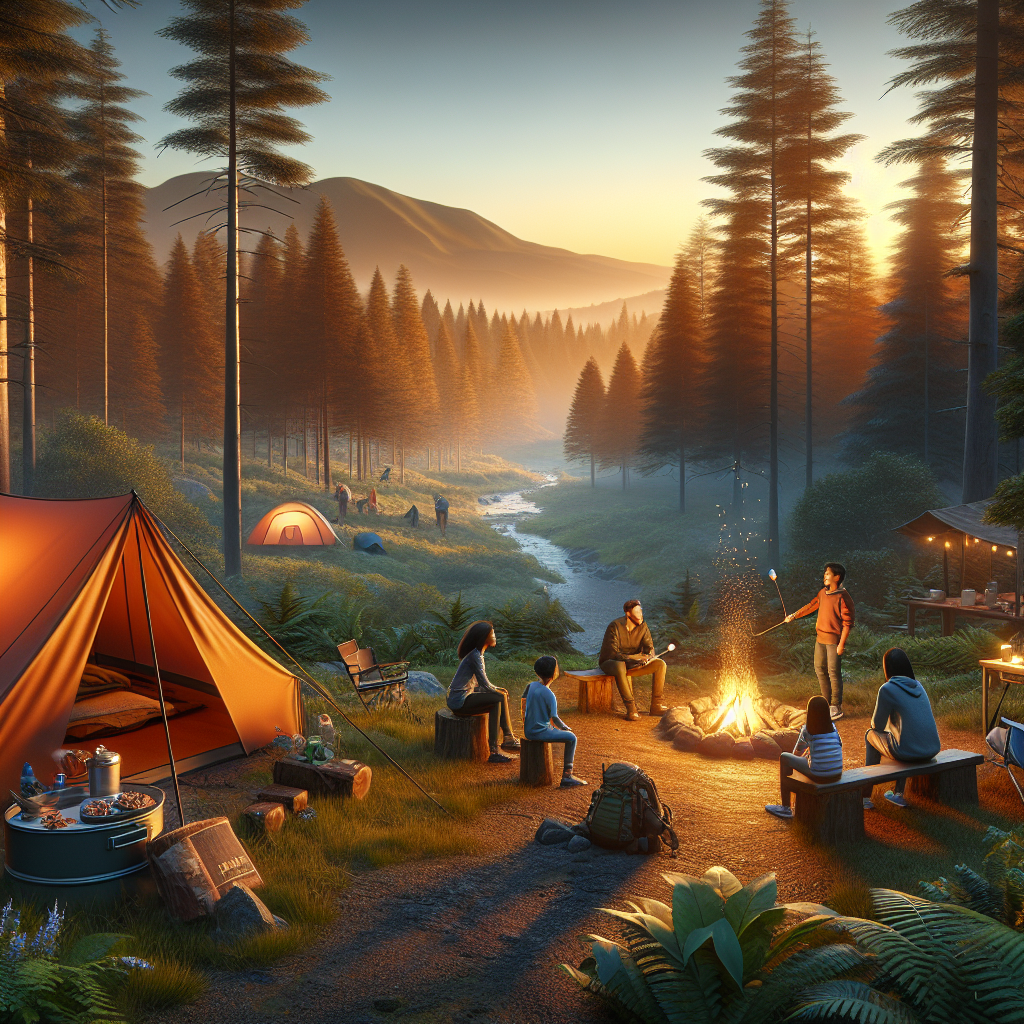

Imagine standing under a sprawling starlit sky, the gentle rustle of leaves whispering secrets only nature knows, and the soft crackle of your campfire creating a symphony that serenades your soul. Camping isn’t just a recreational activity; it’s a profound way to connect with the earth, inspiring a sense of adventure and belonging. Whether you’re a seasoned backpacker or a novice looking for your first camping experience, there’s a world of breathtaking campgrounds waiting for you. Are you ready to explore some of the most stunning landscapes and unforgettable stories they hold? Here are the top 10 campgrounds you must visit in your lifetime.
1. Yosemite National Park, California
Yosemite is a bucket-list destination for a reason. With towering granite cliffs, cascading waterfalls, and diverse ecosystems, it offers an unparalleled camping experience.
Why It Matters: Camping in Yosemite teaches valuable lessons in preparation and respect for nature. The park’s unpredictability can lead to awe-inspiring moments but also requires diligence.
Anecdote: I remember my first visit to Yosemite. I camped near Half Dome, enchanted by its towering presence. One night, a sudden storm swept in. I had to think on my feet, reinforcing my tent, securing my gear, and ultimately experiencing the power of nature up close. That night was a reminder that adventure often lies in the unexpected.
2. Glacier National Park, Montana
Known as the “Crown of the Continent,” Glacier National Park is a haven for hikers and campers alike. The views from the many campgrounds here are downright cinematic.
Planning Tips: Booking campsites can be tricky due to high demand. Make sure you reserve early and check for availability often, especially if you’re targeting peak summer months.
Anecdote: While camping at Many Glacier, I set out on a hike to Grinnell Glacier. The trek was steep and rigorous, testing my limits. However, as I neared the glacier, the reward was worth it: a breathtaking panorama that made the sweat and effort disappear. It reinforced an essential camping lesson: the journey matters as much as the destination.
3. Acadia National Park, Maine
Acadia’s rugged coastline, dense forests, and stunning views of the Atlantic make it a must-visit. With coastal sites like Blackwoods Campground, it blends forest camping with oceanic beauty.
Essential Gear: Bring layered clothing! Maine’s weather can be unpredictable, swinging from warm to chilly in an hour. Having the right gear ensures you can fully enjoy everything from sunrise hikes to afternoon explorations on the beach.
Anecdote: During a trip to Acadia, I witnessed a magical sunrise atop Cadillac Mountain. As dawn broke, hues of orange and pink painted the sky—a display that words fail to describe. The early morning hike taught me the value of rising early: the quiet, the solitude, the connection with nature in its most beautiful form.
4. Banff National Park, Alberta, Canada
With turquoise lakes, alpine meadows, and towering peaks, Banff offers a truly unique camping experience. Choosing between campgrounds like Tunnel Mountain or Two Jack Lakeside is no easy feat!
Gear Essentials: A good bear-proof food storage container is vital; the wildlife is part of Banff’s charm but requires respect! Educate yourself on bear safety and food storage techniques to keep both yourself and the animals safe.
Anecdote: I camped at Two Jack Lakeside, lulled to sleep by the soft sounds of water. One morning, I woke to find a family of elk grazing not far from my tent. Watching them reminded me that camping is about coexistence—respectful, awe-inspiring coexistence.
5. Zion National Park, Utah
Zion’s dramatic cliffs and slot canyons are dreamlike. The campground within the park provides easy access to trails, including the iconic Angels Landing.
Best Practices: Be prepared for limited cell service and download maps beforehand. The scenery can distract, but safety is paramount. Always hike with a buddy, especially on potentially hazardous trails.
Anecdote: Ascending Angels Landing was one of the most challenging yet exhilarating experiences of my life. The final stretch, gripping chains with sheer cliffs on either side, felt like a pilgrimage. Atop, the view was a humbling reminder to respect nature and our limitations.
6. Grand Canyon National Park, Arizona
The Grand Canyon is more than just a deep hole in the ground; it’s a majestic reminder of nature’s power. Various campgrounds like Mather Campground allow visitors to experience incredible sunsets and sunrises.
How-to: Consider an overnight trip at the bottom of the canyon to fully appreciate its grandeur. Permits are required, and planning well in advance ensures you don’t miss out on this life-changing experience.
Anecdote: My first sunrise at the Grand Canyon was transformative. I joined a group of fellow campers, coffees in hand, all of us silent in shared reverence as the sun illuminated the canyon. It taught me about community in the wilderness—strangers becoming friends through shared experiences.
7. Shenandoah National Park, Virginia
Just a short drive from Washington, D.C., Shenandoah offers scenic views along Skyline Drive. The park’s campgrounds are perfect for exploring foliage in the fall or blooming flowers in spring.
Important Tips: Take advantage of the Appalachian Trail, but always be hydrated and have snacks handy. Shenandoah’s trails can be deceivingly intense.
Anecdote: I hiked the Old Rag Mountain trail, a switchback of twists, turns, and a bouldering scramble. Reaching the summit, with an expansive view of the valley stretching below, was an epiphany. I realized that pushing through discomfort can lead to extraordinary rewards, a lesson that encapsulates the essence of camping.
8. Olympic National Park, Washington
Diverse ecosystems abound in Olympic National Park, from rugged coastline to lush rainforests. It’s a playground for those who relish exploration, and campgrounds like Mora or Kalaloch are waiting for your discovery.
Why It Matters: Understand the importance of Leave No Trace principles. The diverse wildlife and natural beauty are fragile, and we owe it to future generations to keep it pristine.
Anecdote: One rainy night in Mora campground, I huddled under my tarp, raindrops dancing a rhythm around me. As I enjoyed a warm meal, I felt a connection to both nature and the fellow campers nearby, united in the struggle against the elements. That night taught me about community and resilience, both vital for camping trips.
9. Joshua Tree National Park, California
Joshua Tree’s surreal landscape, marked by its iconic trees, large boulders, and endless sky, offers a unique experience. The campgrounds here, such as Jumbo Rocks, are unlike any other.
Essential Gear: A solid sleeping bag rated for cooler temperatures is essential, especially during desert nights. Layering is key, as temperatures can drop drastically after sunset.
Anecdote: My trip to Joshua Tree allowed me to experience the unparalleled beauty of desert sunrises. One dawn, I watched as the sunrise painted the rocks with vivid colors. It was a meditation, a reminder that nature’s beauty is often found in serene moments.
10. Acadia National Park, Maine
A blend of mountains and the sea, Acadia is an exceptional gem in New England. Camping here allows for boundless hiking and exploration around the Maine coastline.
Key Insights: Acadia is known for its myriad of trails. Tackle them with a partner, taking time to enjoy the scenery—a gentle reminder that the journey is the true destination.
Anecdote: On my last night in Acadia, I shared stories and laughter with fellow campers of all ages around a crackling fire. The joy of connecting with others who share a passion for the outdoors is something truly indescribable.
Wrap-Up: Key Takeaways
Camping is more than just a hobby; it’s a lifestyle that fosters adventure, appreciation for nature, and community. Each of these campgrounds offers unique landscapes, experiences, and lessons that enrich our understanding of the world and ourselves. Whether you’re confronting fears, discovering new friendships, or embracing the wilderness, camping has something magical for everyone.
Reader Questions Answered
Q1: What should I pack for my first camping trip?
A: Focus on the essentials: a tent, sleeping bag, portable stove, food, clothing layers, and safety gear. Pack according to the climate and activities you’ll partake in.
Q2: How do I choose a suitable campground for my family?
A: Consider amenities, proximity to attractions, and the level of seclusion you desire. Research each campground to find those that cater to families, offering safe and enjoyable activities.
Q3: What safety precautions should I take while camping?
A: Familiarize yourself with wildlife safety, practice Leave No Trace principles, and always inform someone about your itinerary. Carry a first-aid kit and ensure your gear is in top condition.
FAQs
Q1: Is camping only for summer?
A: Not at all! Many campgrounds offer winter camping opportunities. Just ensure you’re adequately prepared for colder temperatures.
Q2: Can I camp with my dog?
A: Yes! Many campgrounds and national parks are pet-friendly. Always check regulations ahead of time and ensure your dog is leashed and well-behaved.
Q3: How do I make a campfire safely?
A: Only use designated fire pits, clear the area of debris, and never leave the fire unattended. Be sure to extinguish the fire completely before leaving.
Are you inspired to start planning your next outdoor adventure? The world is calling, and it’s time to answer! Embrace the spirit of camping and explore these breathtaking campgrounds; each provides not just a place to pitch your tent but also a canvas for unforgettable memories. Happy camping!