

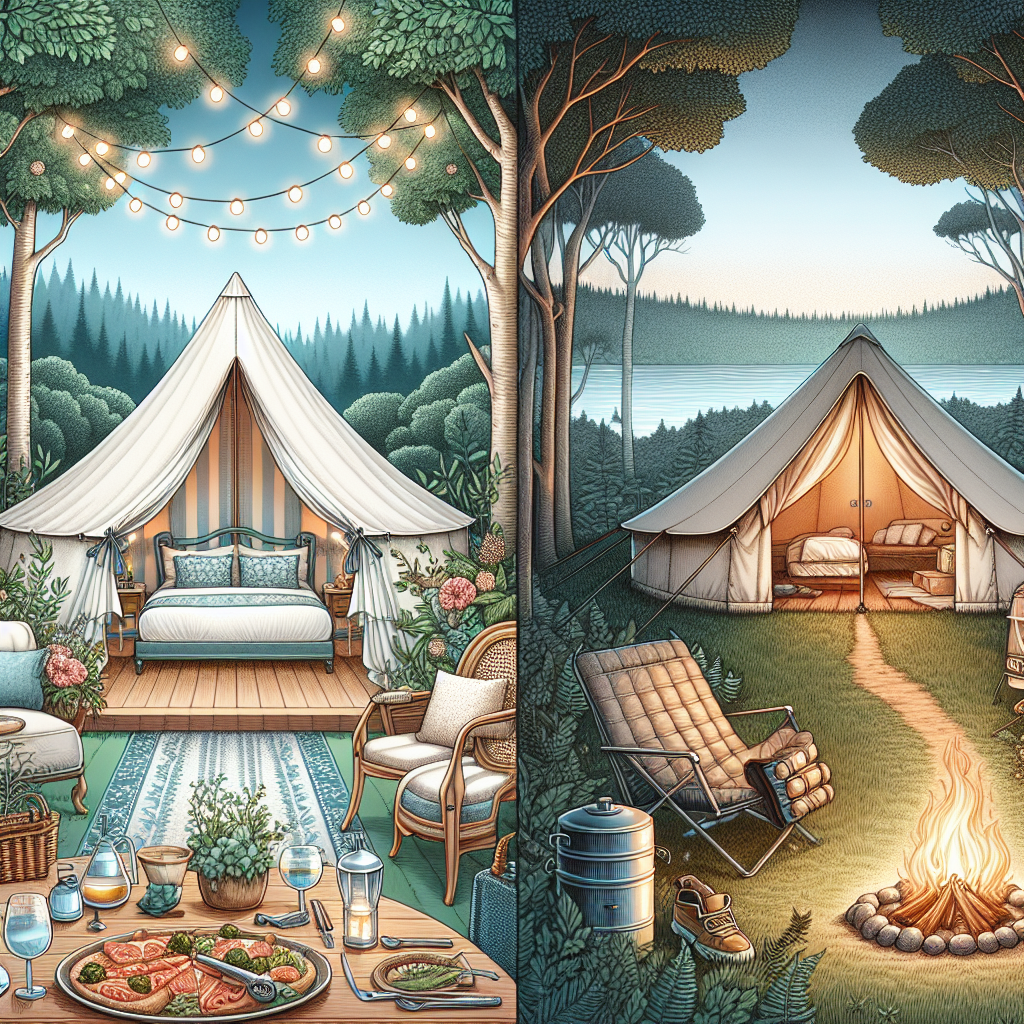

Camping evokes memories of crackling campfires, star-filled skies, and the thrill of adventure. Yet, as outdoor enthusiasts gear up for their next escapade, a modern twist on this age-old pastime—glamping—enters the scene. Whether you’re yearning for nights spent under the stars with just a sleeping bag and a tent or a luxurious retreat with plush bedding and gourmet meals, the choice between traditional camping and glamping has become a hot topic among adventurers. Let’s dive into the wonderful world of outdoor experiences and help you find your ideal fit!
Have you ever questioned which camping style aligns with your outdoor spirit? This blog will not only illuminate the benefits of each approach but will also equip you with the know-how to make the best decision for your next adventure. From personal anecdotes to practical tips, let’s explore whether traditional camping or the allure of glamping resonates with you.
The Allure of Traditional Camping
Embracing Nature: Returning to Simplicity
Traditional camping is akin to stepping into a time machine, where the beauty of nature reigns supreme. The first camping trip I can vividly recall was one that took place in the heart of the Appalachian Mountains. It was just me, my tent, and the enchanting sounds of nature surrounding me. The experience was transformative; I learned the importance of disconnecting from technology and embracing the wilderness.
When you consider traditional camping, think about the simplicity it brings. Picture a serene lake, the scent of pine trees, and a roaring campfire. This experience is often more immersive as it encourages you to engage with the outdoors on a deeper level. You’ll need to familiarize yourself with essential gear such as tents, sleeping bags, and portable cooking equipment.
Essential Gear for Traditional Camping
To truly thrive in the wild, consider investing in the following gear essentials:
- Tent: A reliable shelter is your first line of defense against the elements.
- Sleeping Bag: One that fits the climate you’ll be camping in is crucial for a good night’s sleep.
- Camp Stove or Grill: For cooking up warm meals after a day of exploration.
- First Aid Kit: Safety first; mishaps can happen in nature!
Reflecting on my past trips, I once set up camp near a stunning vista, only to realize I forgot my cooking gear. Living on granola bars for a weekend was a lesson in the importance of thorough preparation—one I’ve carried forward on every adventure since.
The Glamorous Side of Glamping
Luxurious Comfort in Nature’s Embrace
Glamping, or glamorous camping, presents a unique opportunity to blend the majesty of the great outdoors with the comforts of luxury. If the idea of enjoying a cozy bed, gourmet meals, and well-appointed facilities sounds appealing, glamping could be your perfect fit.
I once visited a glamping site tucked away in a lush valley, complete with canvas tents and private bathrooms. After a long day of hiking, returning to my spacious tent equipped with a real bed and a glass of wine was a delightful surprise. It was the balance of adventure and comfort that made that trip unforgettable.
Key Features of Glamping
Here’s what makes glamping an enticing option:
- Comfortable Accommodations: Usually furnished tents or cabins that offer amenities like electricity, bathrooms, and even air conditioning.
- Culinary Delights: Many glamping sites feature gourmet meals prepared by professional chefs, turning each meal into an experience.
- Unique Experiences: From treehouses to yurts, glamping accommodations often come with breathtaking views and distinctive designs.
Glamping Gear: What to Bring
While you won’t need the same level of camping gear, being prepared is still essential:
- Casual Clothing: Comfortable clothes for lounging and exploring.
- Comfortable Shoes: Essential for all the hiking you’ll want to do!
- Personal Toiletries: While glamping often provides facilities, having your favorites ensures you feel at home.
Reflecting on that glamping trip, my key takeaway was understanding that adventures can be about comfort, too. You don’t always have to sacrifice the joys of nature for a little luxury.
Weighing Your Options: What to Consider
Personal Preferences and Comfort Levels
The choice between traditional camping and glamping boils down to personal preferences. Do you thrive on rustic experiences where you can ‘rough it’ with just the bare essentials? Or do you prefer to indulge in a little luxury while still being surrounded by nature?
Budget Considerations
Traditional camping is often a more budget-friendly option, especially when camping gear can be rented or borrowed. In contrast, glamping sites typically come at a higher price point due to the luxurious offerings.
The Social Experience
Consider who you’ll be camping with. Traditional camping tends to strengthen bonds over shared challenges. On the other hand, glamping can be a fabulous setting for larger groups or family gatherings, where everyone can enjoy comfort while partaking in outdoor activities together.
Key Takeaways: Find Your Outdoor Experience
Your perfect outdoor experience depends on your preferences, comfort levels, and budget. Traditional camping offers rustic simplicity and immersion in nature, while glamping combines the beauty of the outdoors with creature comforts. Both styles can lead to unforgettable adventures; it’s all about what suits your spirit best!
As you consider your next trip, reflect on what you want to experience. Will it be the challenge of pitching a tent under the stars or sipping wine beside a fire pit in a lush glamping site? Regardless of your choice, adventure awaits!
Reader Questions Answered
Q: Is traditional camping suitable for beginners?
A: Absolutely! Many campgrounds provide amenities such as picnic tables and fire pits, making it beginner-friendly. Bring a friend or family member experienced in camping for added guidance.
Q: Can I glamp if I have dietary restrictions?
A: Definitely! Many glamping sites offer customizable meal plans. Be sure to communicate any dietary needs with your hosts in advance.
Q: Are there safety tips for both styles of camping?
A: Yes! Always check your local wildlife guidelines, pack a first-aid kit, and ensure your campfire is fully extinguished after use.
Frequently Asked Questions
Q: What’s the average cost difference between traditional camping and glamping?
A: Traditional camping generally costs around $30-$60 for a campground site, while glamping can range from $100 to $300 per night, depending on the location and amenities offered.
Q: Can I glamp in national parks?
A: Many national parks offer glamping options, but you’ll need to book well in advance as they can fill up quickly, especially during peak seasons.
Q: What should I look for when choosing a glamping site?
A: Look for the location, amenities provided, reviews from previous guests, and activities offered in the surrounding area to ensure a fulfilling experience.
Whether you opt for the wild simplicity of traditional camping or the luxurious allure of glamping, the great outdoors is calling your name. Now, it’s time to pack your bags, choose your style, and embark on an unforgettable adventure!