

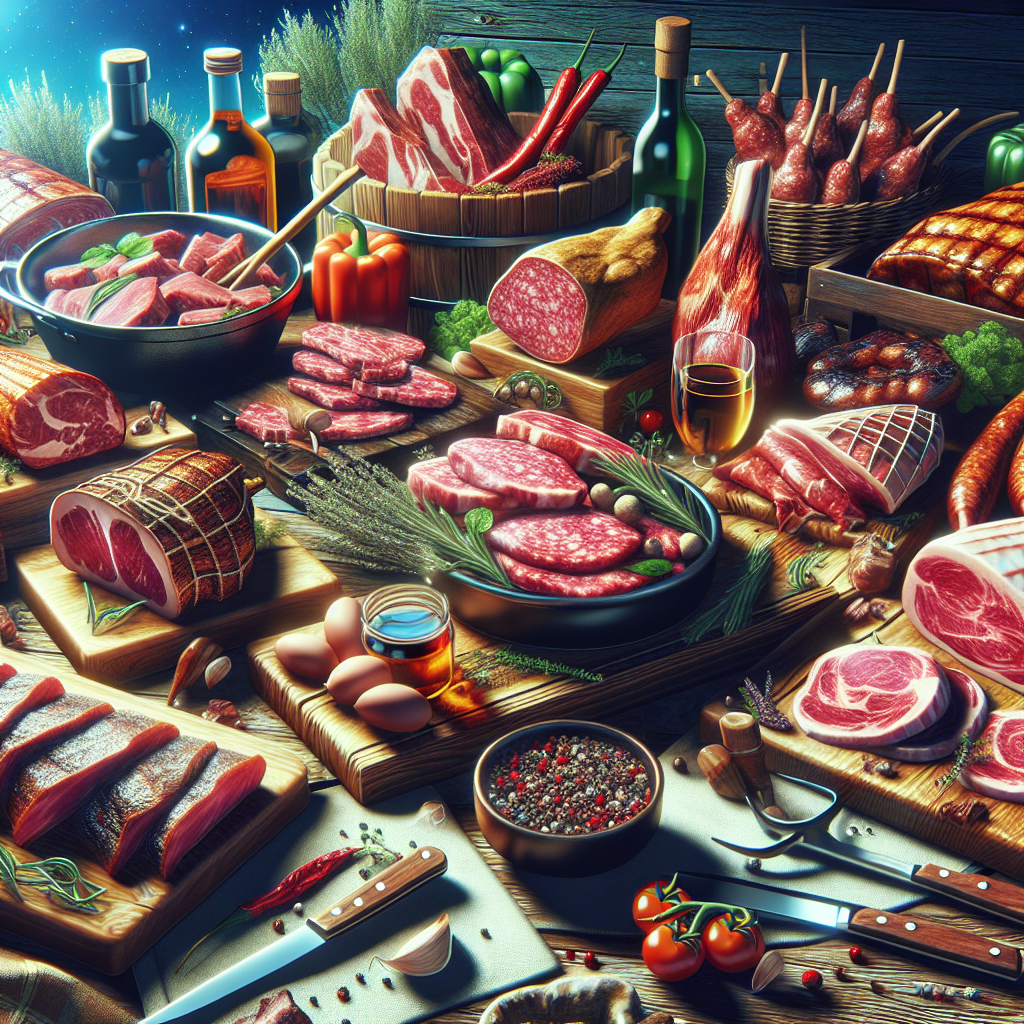

Discover Hormone-Free Wild Game: Top Antibiotic-Free Meat Options
In recent years, more people have turned to wild game as a viable alternative to conventional meats. Not only does it offer a unique flavor profile, but it also provides numerous health benefits. In this post, we’ll explore the top antibiotic-free wild game options available and discuss why incorporating these meats into your diet can be a game-changer for your health.
The Benefits of Consuming Wild Game
1. Nutritional Superiority
Wild game is often higher in essential nutrients compared to farmed meats. It tends to contain:
- Lower Fat Content: Game meats like deer and elk typically have a lower fat content, making them a healthier option for those monitoring their fat intake.
- Rich in Omega-3 Fatty Acids: Many wild animals graze on natural vegetation, resulting in a higher concentration of Omega-3s, which are crucial for heart health source.
- Higher Protein Levels: Wild meats can provide a higher protein pound-for-pound compared to conventional meat, making them an excellent choice for fitness enthusiasts.
2. Ethical and Sustainable Sourcing
Sourcing wild game promotes ethical hunting and can significantly reduce the environmental footprint associated with meat production. When hunted responsibly, wild game can contribute to local ecosystems and biodiversity. This consumption model not only supports animal populations but can also elevate local communities by creating jobs in the outdoor recreation sector.
Top Hormone-Free Wild Game Options
1. Venison (Deer)
Venison remains one of the most popular wild game meats. Its exceptional flavor and nutritional value make it a worthy inclusion in anyone’s diet. The meat is incredibly lean and versatile, fitting seamlessly in dishes from stews to gourmet roasts.
2. Bison
Bison, often labeled as “buffalo,” is another excellent choice for health-conscious consumers. Bison meat is rich in iron and vitamin B12, making it a fantastic alternative to pork or beef. Grass-fed bison is a great option for those looking to avoid hormones and antibiotics, contributing to its rising popularity.
3. Wild Boar
Wild boar, similar to domestic pork but with a richer flavor, provides a unique culinary experience. It is also more nutritious, containing less fat and more protein. Plus, it’s often raised sustainably, making it a guilt-free meat option.
4. Elk
Elk meat boasts a subtle flavor and is packed with nutrients. With very low saturated fat levels, it’s favored by those seeking a healthy diet without sacrificing taste. The lean nature of elk makes it an ideal meat for grilling or slow-cooking.
Practical Tips for Cooking Wild Game
-
Marinate for Flavor: Wild game can be leaner than conventional meat, so marinating helps to lock in moisture and add flavor. Use ingredients like lemon juice, vinegar, or yogurt for effective marination.
-
Slow Cooking Techniques: Given its low fat content, wild game often benefits from slow-cooking methods. This helps to tenderize the meat while enhancing its flavors.
- Experiment with Seasoning: Wild game has a unique taste that can be complemented by various seasonings. Try herbs like rosemary and spices like garlic and smoked paprika to bring out the best flavors.
Health Notes
In summary, here are the key benefits of incorporating hormone-free wild game into your diet:
- Nutrient-Rich: Higher in protein and Omega-3 fatty acids, lower in fat.
- Ethically Sourced: Supports responsible hunting and ecological balance.
- Versatile in Cooking: Adaptable in a range of culinary styles and recipes.
Incorporating wild game into your diet not only satisfies your taste buds but also aligns with a healthier lifestyle and ethical consumption practices. If you’re looking for antibiotic-free meat options that are flavorful, nutritious, and sustainable, consider exploring the delicious world of wild game.
For more information on the health benefits of various meats and nutrition, visit the Cleveland Clinic for credible insights.