

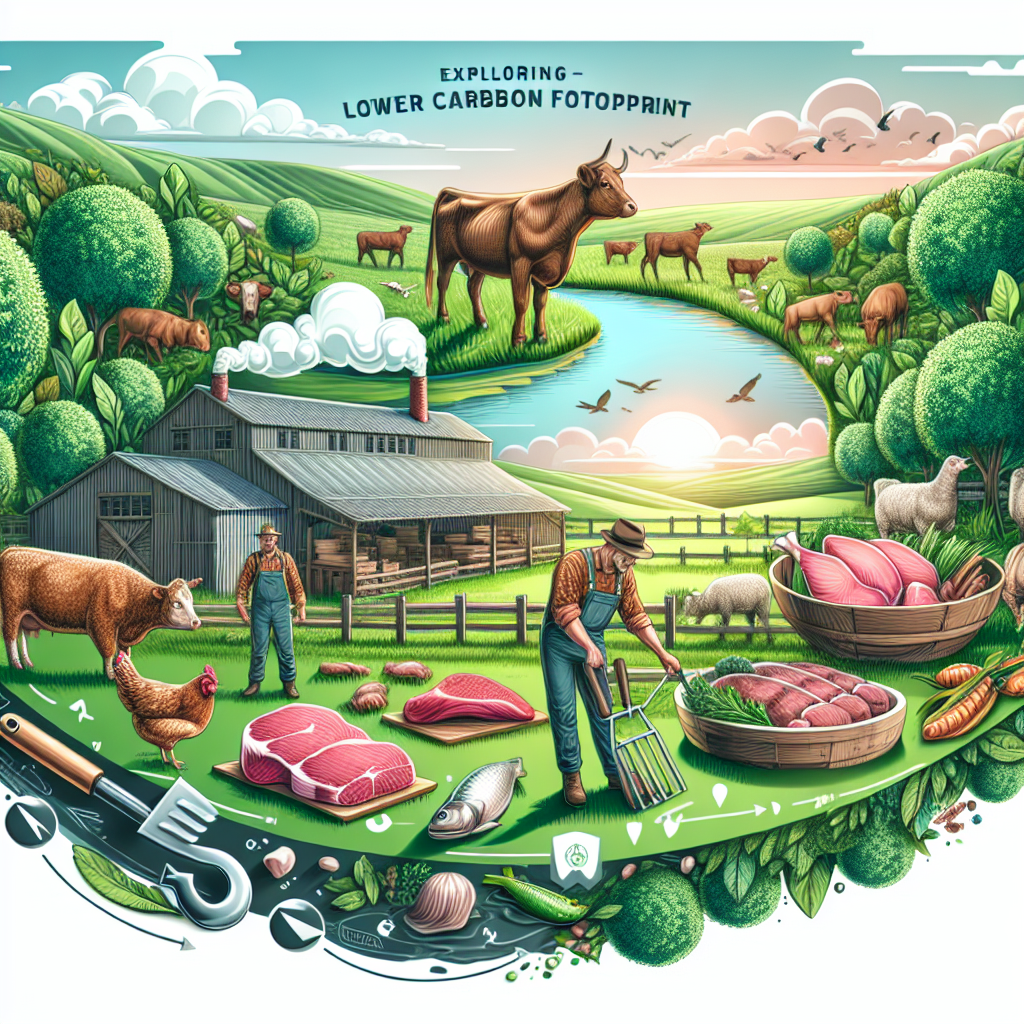

Explore Lower Carbon Footprint Meat: Make Sustainable Choices Today
As awareness around climate change increases, consumers are increasingly seeking sustainable dietary options. One choice that stands out in this pursuit is incorporating wild game into your meals. Not only does it offer a unique culinary experience, but it also significantly lowers your carbon footprint compared to conventional livestock. In this blog post, we will explore the benefits of consuming wild game, practical tips for making the switch, and the positive impact on your health.
Why Choose Wild Game? Understanding the Benefits
1. A Sustainable Meat Option
Wild game, such as venison, elk, and bison, is often a more sustainable alternative to traditionally farmed meats. According to a study published by the Journal of Agricultural and Environmental Ethics, wild animals contribute to biodiversity and require fewer resources—like feed, water, and land—unlike domesticated livestock.
2. Healthier Nutritional Profile
Wild game is typically leaner than conventional meat. For example, venison contains less fat and fewer calories compared to beef, while still providing essential nutrients like high-quality protein, iron, and B vitamins. Additionally, game animals roam freely and consume a natural diet, leading to meat that’s rich in omega-3 fatty acids. This benefits heart health and overall well-being.
Practical Tips for Incorporating Wild Game into Your Diet
1. Explore Local Resources
Start by checking local hunters or game meat suppliers in your area. Farm-to-table restaurants might also offer wild game dishes. Always ensure your meat source is reputable, focusing on ethical harvesting and local sourcing.
2. Experiment with New Recipes
Wild game can be prepared in various ways—from grilling to slow-cooking. Consider trying recipes that enhance its unique flavors, such as marinades that complement its natural taste. For instance, marinating venison in red wine and herbs makes for a flavorful dish.
3. Educate Yourself on Preparation Techniques
Cooking wild game requires different techniques compared to farmed meat. Due to its lean nature, it’s essential to avoid overcooking. Using a meat thermometer can help achieve the perfect doneness without compromising tenderness.
The Environmental Impact
1. Reducing Resource Use
The environmental footprint of wild game is significantly less than that of livestock. A ResearchGate study highlighted that wild game hunting has a minimal impact on the ecosystem compared to the resource inputs of livestock farming.
2. Caring for Biodiversity
Hunting practices can contribute to wildlife management efforts, helping maintain balanced ecosystems. By supporting sustainable hunting, consumers can play an active role in conservation.
The Flavor Factor
Many enthusiasts argue that wild game offers a richer, more robust flavor than traditional meats. The diet and lifestyle of wild animals contribute to their unique taste, making meals more enjoyable and memorable. For those willing to venture into the unknown, trying wild game can be an exciting culinary journey.
Health Notes
- Lower Fat Content: Wild game is leaner, making it a heart-healthy option.
- Rich in Nutrients: High-quality protein, iron, and essential fatty acids support overall health.
- Sustainable Sourcing: Consuming wild game helps reduce environmental impact and promotes biodiversity.
- Flavorful Variety: Offers a unique culinary experience that can enhance your meals.
In conclusion, incorporating wild game into your diet not only presents an opportunity for new tastes and experiences but also aligns with a more sustainable lifestyle. Whether it’s for health benefits or environmental responsibility, making the switch to lower carbon footprint meat like wild game can be a rewarding choice. Be adventurous and explore this sustainable option—your health and the planet will thank you!