

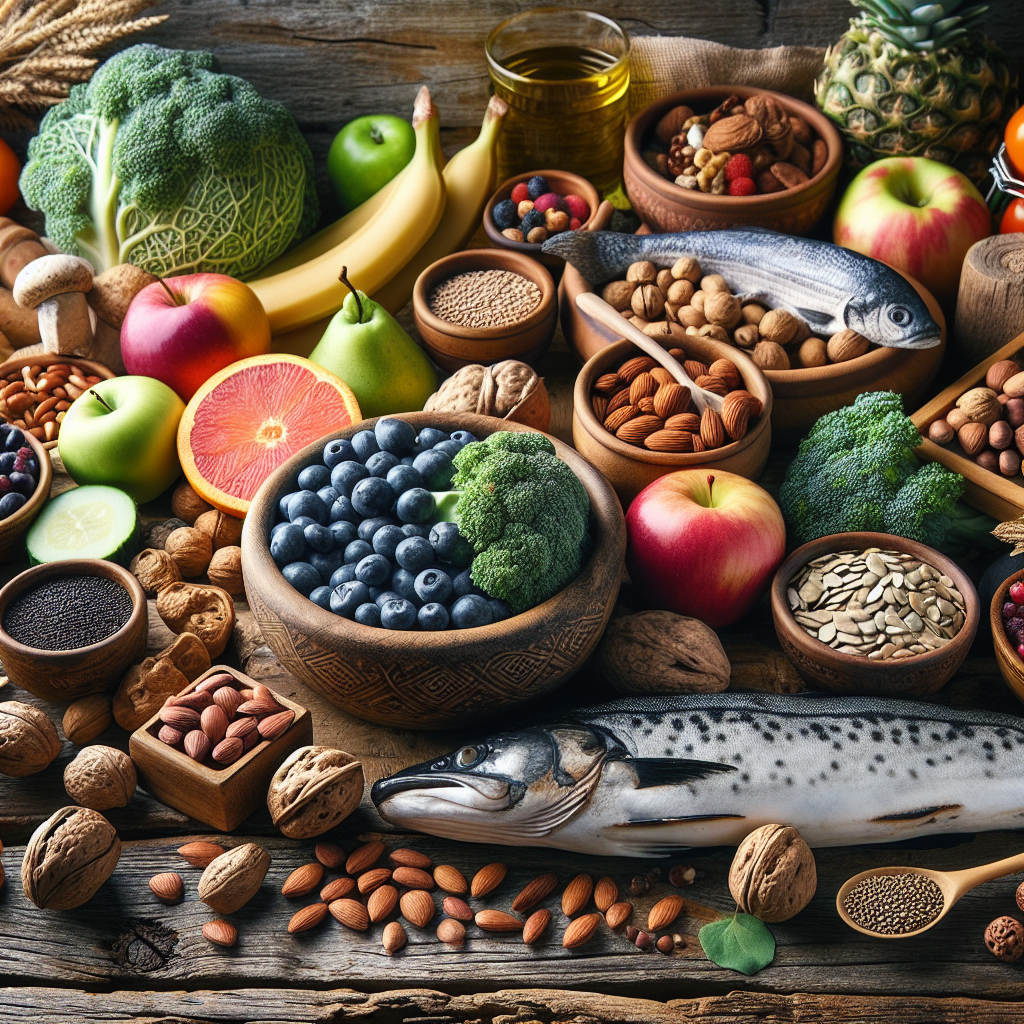

Unlock Ancestral Eating Benefits: Improve Health & Wellness Today
Have you ever considered how our ancestors ate? By embracing ancestral eating, particularly through the consumption of wild game, modern individuals can access a wealth of nutritional benefits that promote health and wellness. This blog post dives deep into the compelling advantages of incorporating wild game into your diet and offers practical tips to help you get started on this journey toward enhanced wellbeing.
The Nutritional Powerhouse of Wild Game
Wild game, from deer to elk to wild birds, offers a rich nutrient profile that surpasses conventional meats. These animals, foraging naturally in their environments, offer:
Rich Source of Protein
Wild game is packed with high-quality protein essential for muscle repair, weight management, and overall health. Foods like venison contain approximately 30% more protein than traditional cattle. [1]
Omega-3 Fatty Acids
Unlike farm-raised animals, wild game often boasts higher levels of omega-3 fatty acids, crucial for heart health. Regular consumption can help decrease inflammation and lower the risk of chronic diseases such as heart disease and arthritis. [2]
Low in Saturated Fats
Many wild game meats are leaner compared to their farm counterparts. For instance, moose and deer boast lower saturated fat content, making them healthier options for those managing their cholesterol levels.
Environmental and Ethical Considerations
Choosing wild game contributes positively to the environment and local ecosystems:
Sustainable Eating
Wild game hunting practices can often support wildlife populations and contribute to conservation efforts. By sustainably managing these populations, communities can ensure that ecosystems thrive. You can learn more about sustainable hunting practices from the Wildlife Management Institute.
Ethical Consumption
Wild game is often regarded as a more humane alternative to factory farming. Animals live natural lives with less stress and have more ethical paths to their consumption.
Tips for Incorporating Wild Game Into Your Diet
Start Small
If you’re new to wild game, start with familiar types such as ground deer or wild turkey. These can easily be swapped into classic recipes that you already enjoy.
Explore Local Resources
Seek local farms or hunters who sell wild game or join community hunting initiatives to access a variety of meats. Websites like Eater often have guides on where to find local wild game options.
Experiment with Recipes
Get creative in the kitchen! Wild game can be used in stews, roasted, or grilled. Search for recipes that highlight the unique flavors and textures of different types of game meat to expand your culinary repertoire.
Key Benefits of Wild Game Consumption
- Enhanced Nutritional Profile: Higher levels of protein, vitamins, and minerals.
- Heart Health: Elevated omega-3 fatty acid content can reduce inflammation and improve heart health.
- Sustainability: Supports wildlife management and ethical consumption.
- Culinary Variety: Adds diverse flavors and nutrients to your meals.
Health Notes
In conclusion, incorporating wild game into your diet can have significant benefits, including:
- Increased protein intake for muscle health
- Heart-friendly omega-3 fatty acids
- Leaner meat options with lower saturated fats
- Ethical and sustainable eating practices
- A broader cooking palette with unique flavors
By exploring the ancestral eating practice of wild game consumption, you can unlock numerous health benefits that align with both personal wellness goals and environmental consciousness. Dive into this fulfilling lifestyle change today for a healthier tomorrow.
References:
[1] USDA Nutrient Database, 2021.
[2] American Heart Association, 2021.
[3] Wildlife Management Institute.
By thoughtfully integrating these practices into your lifestyle, you stand to gain not only in terms of your health but also in making conscious choices for the environment. Enjoy your journey into the rich and rewarding world of ancestral eating!