

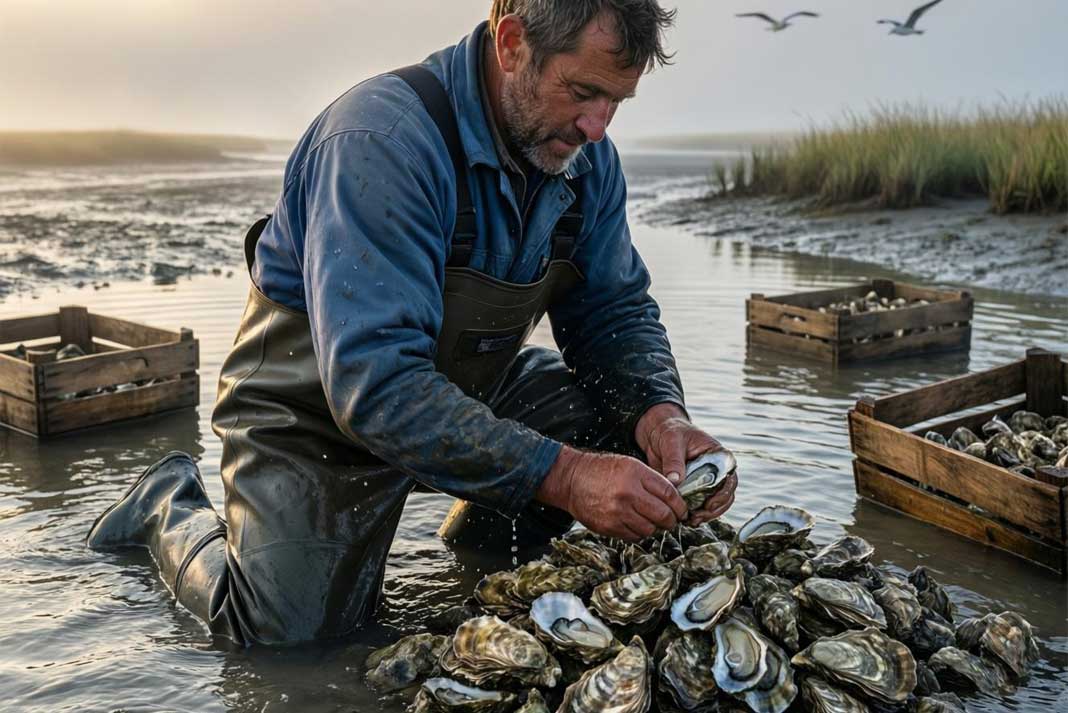

Alabama’s Oyster Harvest Season Concludes Amid Growing Environmental Concerns
As the sun starts to dip below the horizon on December 23, 2025, Alabama’s public oyster reefs will close to harvesting at 2 p.m., marking the end of a critical season for this beloved marine resource.
Current State of Alabama’s Oyster Harvest
Opened on October 6, 2025, Alabama’s public oyster reefs were accessible for just 54 days before this upcoming closure. During this brief window, commercial oyster catchers have harvested around 5,000 sacks, totaling an impressive 425,000 pounds of the briny delicacy. With a dockside value exceeding $170,000, the harvest underscores the economic significance of this seasonal activity for local communities.
However, the enthusiasm surrounding the harvest is tempered by troubling findings. Kevin Anson, Director of the Marine Resources Division (MRD), notes that pre-season surveys revealed a notably lower abundance of harvestable oysters compared to previous years. “Our monitoring indicates that Alabama’s oyster populations are currently facing multiple stressors, including extended low salinity and higher summer water temperatures, both of which have severely impacted young oysters,” Anson stated.
These climatic challenges have culminated in a worrying decline in survival rates for juvenile oysters, with long-term ramifications expected. Since oysters require at least 18 months to reach a harvestable size, a reduced adult population is anticipated in 2026.
Why It Matters
The implications of this decline ripple far beyond the oyster enthusiasts. For hunters, hikers, and environmental conservationists alike, the status of Alabama’s reefs signifies the health of essential aquatic ecosystems. Oysters serve as natural filters that enhance water quality and provide crucial habitat for various marine species. As such, the ongoing deterioration of these reefs could compromise local fisheries and impact the biodiversity of the region.
Moreover, oysters are economically significant, not just for commercial catchers but also for numerous coastal businesses that rely on the seafood industry. The decline could lead to elevated seafood prices and reduced availability, affecting local consumers and restaurateurs.
Pro Tips for Future Oyster Harvests
- Be Mindful of Environmental Policies: Staying informed about state regulations regarding oyster harvests is crucial for both legal compliance and conservation efforts.
- Monitor Water Quality: For avid fishermen, understanding water quality dynamics, including salinity and temperature, can enhance fishing success rates.
- Oyster Restoration: Consider volunteering with local organizations focused on restoring oyster habitats. Engaging in these initiatives not only supports the local ecosystem but also fosters community collaboration.
Future Directions
To combat these escalating concerns, MRD is diligently assessing larval settlement patterns and water quality within Mobile Bay and Mississippi Sound, seeking optimal areas for oyster reef restoration. Funded by a significant $10 million grant from the Natural Resources Damage Assessment (NRDA) Trustee Implementation Group—allocated as part of the Deepwater Horizon Oil Spill Settlement—this project seeks to restore and maintain these critical marine resources for future generations.
The Alabama Department of Conservation and Natural Resources (ADCNR) is committed to promoting sustainable management and enjoyment of Alabama’s natural resources through its four divisions: Marine Resources, State Lands, State Parks, and Wildlife and Freshwater Fisheries. As we watch Alabama’s oysters face mounting pressures, understanding our interconnectedness with these habitats becomes vital for both appreciation and preservation.
For more insights into conservation and responsible outdoor activities, visit Outdoor Alabama.
Conclusion
As the oyster season draws to a close, stakeholders from all walks of life are invited to reflect on the importance of Alabama’s oyster reefs. The time to advocate for a resilient ecological future is now—because the health of our waterways and coastal communities depends on it.