


Gulf Coast Restoration Council Unveils $403 Million Plan for Ecological Recovery
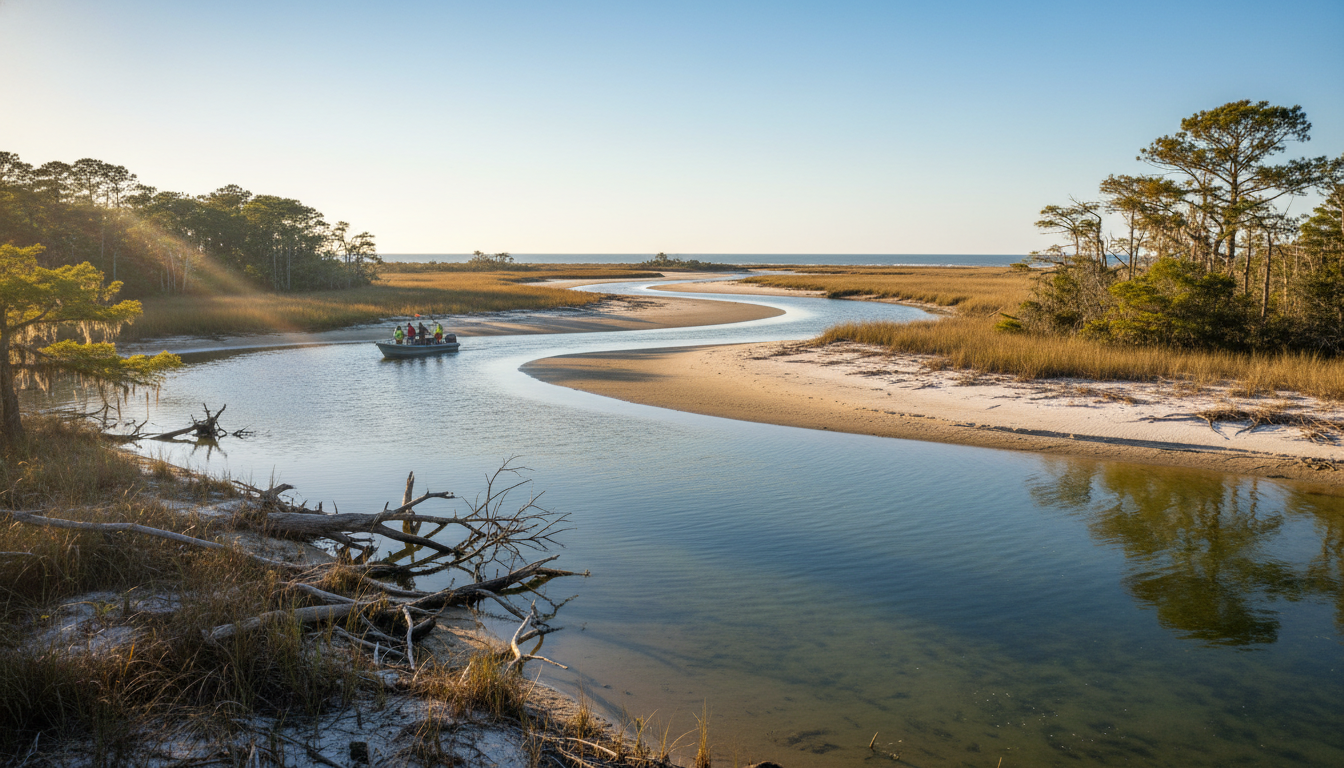
As the coastal winds whip through the marshy estuaries of Alabama, a new chapter in environmental recovery is poised to unfold. The Gulf Coast Ecosystem Restoration Council (RESTORE Council) has rolled out its draft of the 2026 Funded Priorities List (FPL), channeling over $403 million into projects aimed at revitalizing the ecosystem ravaged by the Deepwater Horizon oil spill.
The Pulse of Public Participation
Set to open on November 20, 2025, the public review and comment period will run until January 2, 2026. Stakeholders can dive deeper into the proposed projects on the RESTORE Council’s website, www.restorethegulf.gov, allowing for an engaging, community-driven discourse on what’s at stake for Alabama’s cherished landscapes.
Governor Kay Ivey expressed optimism, emphasizing the diverse range of initiatives in this FPL, which encompass dune restoration, dredged material repurposing, water quality enhancements, and litter removal. “These initiatives are critical for preserving the unique natural resources of Alabama,” Ivey remarked, commending ADCNR Commissioner Chris Blankenship’s leadership.
A Coalition for Restoration
The RESTORE Council is a cross-agency collaboration featuring the governors of the five Gulf states and key federal cabinet officials, including representatives from the Environmental Protection Agency (EPA), Department of the Interior (DOI), and other vital departments. Commissioner Blankenship serves as Ivey’s designee, guiding Alabama’s applications and fostering inter-state cooperation in the ecosystem recovery effort.
“I’m thrilled to unveil the 2026 FPL projects and eager for public input,” Blankenship stated, recognizing the extensive collaboration among states and federal bodies. The efforts signify a united front in countering the ecological fallout from past industrial actions.
Affirmations from the Senate
U.S. Senators Tommy Tuberville and Katie Britt have championed the projects, highlighting their broad-ranging benefits. Senator Tuberville noted the importance of safeguarding Alabama’s breathtaking coastline for residents and visitors alike. “The Upper Mobile Bay Wetlands projects and Water Quality Improvement Program will ensure our natural beauty remains intact for future generations,” he asserted.
Senator Britt added that the FPL harnesses dredged materials for rejuvenation initiatives, strengthening coastal resilience. “Governor Ivey and Commissioner Blankenship propose projects that will positively impact the lives of countless Alabamians, demonstrating vigorous leadership and partnership through this critical process.”
Why It Matters
The implications of the 2026 FPL are profound for those who cherish outdoor recreation and the conservation of natural habitats.
Long-Term Benefits for Outdoor Enthusiasts:
-
Ecosystem Health: Restoring wetlands and enhancing water quality will provide vital wildlife habitats, ensuring that activities like birdwatching and fishing thrive.
-
Sustainable Economies: The restoration effort aims not only to revitalize the environment but also local economies revolving around outdoor tourism, potentially boosting businesses catering to hikers, anglers, and nature enthusiasts.
-
Cultural Preservation: By funding projects like the Tribal Youth Conservation Corps, this initiative empowers Native American youth through hands-on conservation experiences that underscore the importance of ecological stewardship.
Field Insights: Pro Tips for Wildlife Enthusiasts
-
Stay Engaged: Participate in the public comment period to express your views on proposed projects. Your input can influence future initiatives.
-
Explore the Projects: Take a guided tour of the restoration sites once projects commence; often, guided efforts lead to richer experiences in understanding ecosystem dynamics.
-
Use Sustainable Practices: As you enjoy Alabama’s coastal areas, adopt sustainable recreational practices. This fosters a culture of conservation that complements these restoration efforts.
Upcoming Events
For those keen on learning more firsthand, the ADCNR will host a public meeting on December 17, 2025, at the Spanish Fort Community Center, starting at 5:30 PM. Commissioner Blankenship and RESTORE Council staff will detail the draft FPL and discuss other funded projects, offering invaluable insights for attendees.
The restoration activities outlined in the 2026 FPL represent a concerted effort to rebuild and preserve Alabama’s vital ecosystems. With approximately $87 million allocated for Alabama-specific projects, this is not just a funding announcement; it’s a clarion call for community engagement and ecological vigilance.
For more details on the 2026 FPL and the broader context of conservation efforts post-Deepwater Horizon, visit Outdoor Alabama’s Coastal Restoration Program page.
In Conclusion
With the winds of change blowing across the Gulf Coast, the upcoming public participation opportunities promise to forge a stronger bond between conservation efforts and local communities. As we embark on this journey of ecological recovery, the vote of confidence from the public will undoubtedly shape the future of our cherished landscapes.