

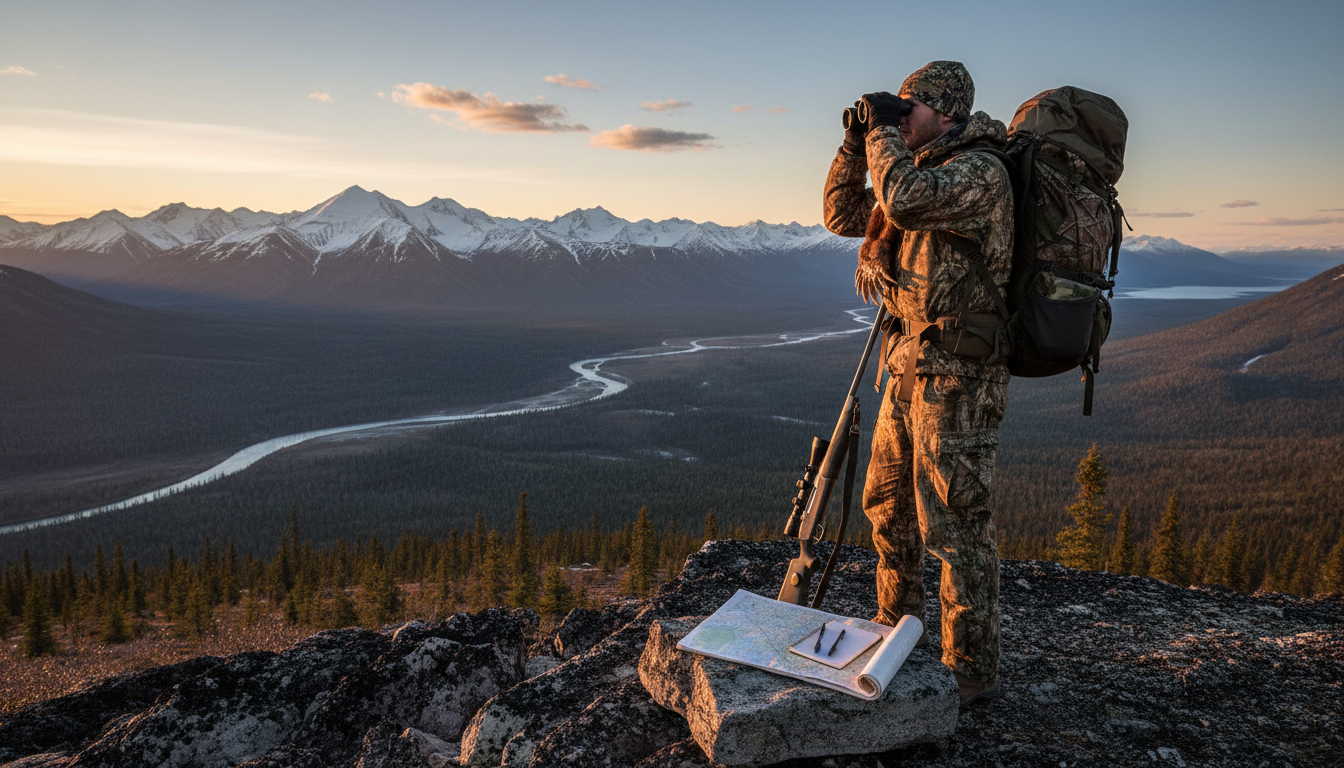

Navigating Alaska’s Hunting Regulations: A Vital Guide for Outdoor Enthusiasts
As the crisp Alaskan air heralds the arrival of hunting season, understanding the intricate web of regulations is essential for both seasoned hunters and newcomers alike. The Alaska Department of Fish and Game (ADF&G) has crafted these comprehensive regulations to ensure sustainable wildlife management, but navigating them can be daunting.
Important Notice: Understanding the Regulations
Before you load your gear and head into the field, it’s crucial to know that the regulations provided are simplified for accessibility. Always check for any emergency orders that may alter hunting or trapping seasons; such directives can override information found in the Hunting and Trapping Regulation booklets. For specifics, don’t hesitate to contact your local ADF&G office.
The Essentials: Hunting Regulations Overview
For those who prefer a deep dive into the regulations, the complete Hunting Regulations Booklet is available for high-speed internet users, while individual sections are designed for slower connections. Here are key components that every hunter should be familiar with:
- General Information: Covers licenses, harvest tickets, possession limits, and common violations.
- Species-Specific Guides: Includes sections on identifying legal caribou, moose, muskoxen, and rams—critical knowledge before a successful harvest.
- Bag Limits and Seasons: Organized by Game Management Units (GMUs), these sections provide crucial information regarding hunting quotas and seasonal restrictions.
Accessing the Resources
Hunters can access the full Hunting Regulations Booklet here or explore individual sections based on their interest and internet speed:
- General Information (PDF 1,792 kB)
- Bear Hunters (PDF 514 kB)
- Small Game & Exotic Wildlife (PDF 578 kB)
For a physical copy, reach out via email at dfg.dwc.hq-info@alaska.gov, call (907) 465-4190, or visit your nearest Fish and Game office.
Why It Matters
The Long-Term Impact of Compliance
Understanding and adhering to these regulations is not just a legal obligation; it is crucial for conservation efforts and ethical hunting practices. Compliance ensures the sustainability of wildlife populations, preserves habitats, and supports the vibrant ecosystems that Alaskans cherish. Responsible hunting practices also foster community trust, enhance public safety, and contribute to the local economy through hunting-related activities.
Insights from the Field: Tips for Successful Hunting
For hunters heading out this season, here are vital pro-tips to enhance your experience:
- Know Before You Go: Familiarize yourself with the specific Game Management Unit you’ll be visiting, including bag limits and special regulations.
- Identify Correctly: Take the time to study the identifying features of your target species—inambiguous identification can prevent unnecessary legal complications.
- Sustainable Practices: Always follow ethical hunting practices, including waste minimization and responsible use of game.
Watch For: Changes in wildlife behavior as the season progresses. Environmental conditions can impact animal movement patterns, making it imperative to stay attuned to your surroundings for optimal success.
Conclusion
Navigating Alaska’s hunting regulations may seem complex at first glance, but being well-informed paves the way for a rewarding outdoor experience. By staying updated, hunters can contribute positively to wildlife management and conservation efforts that safeguard Alaska’s natural heritage for generations to come.
Engage with your environment responsibly, and prepare to embrace the wild beauty of Alaska this hunting season.