


California’s Wildlife Management Takes Flight: CDFW Launches GPS Collar Project for Deer, Elk, and Wolves
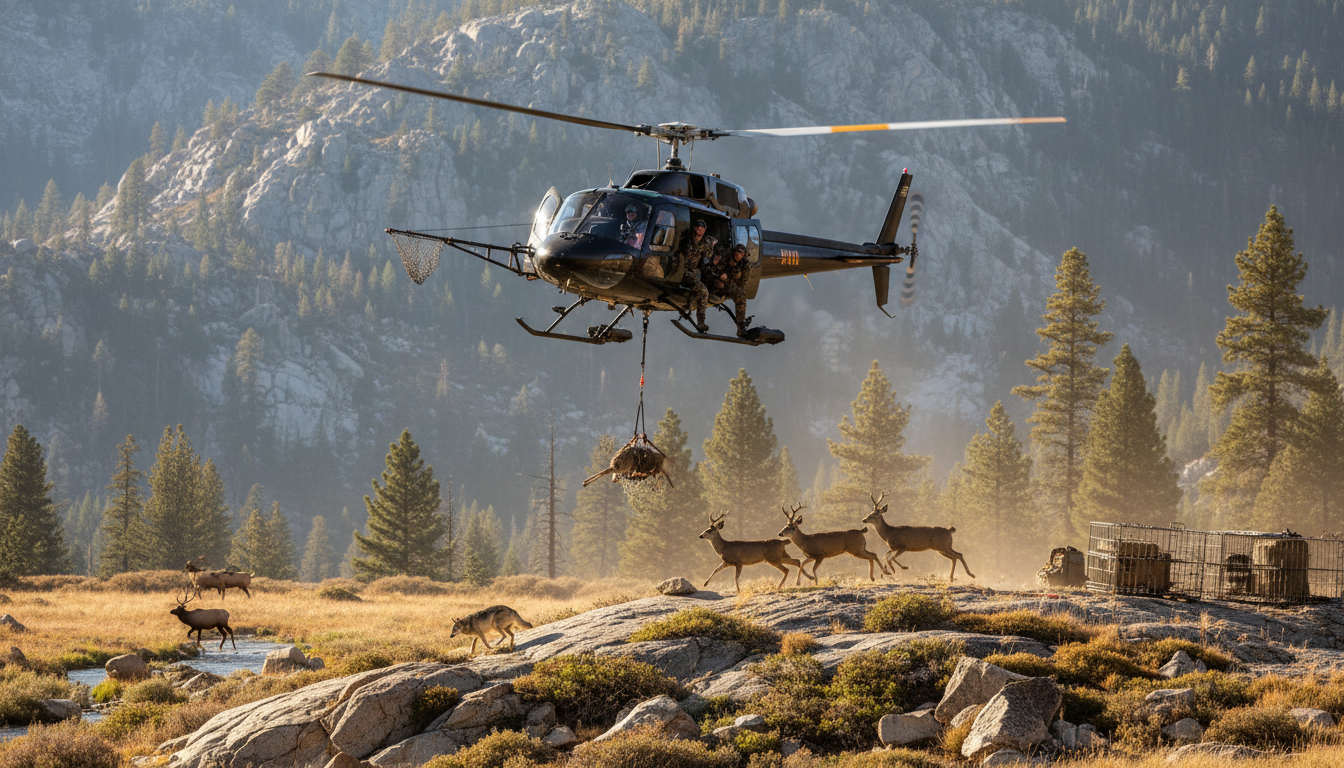
In a groundbreaking initiative, the California Department of Fish and Wildlife (CDFW) is set to leverage advanced aerial techniques to better understand the state’s iconic wildlife populations. Throughout January 2026, helicopter capture operations will target mule deer, tule elk, Roosevelt elk, and Rocky Mountain elk across various northern California counties—including Alameda, Colusa, Humboldt, Lake, Lassen, Modoc, Plumas, Santa Clara, Sierra, Siskiyou, Tehama, and Trinity.
The Lead: Soaring Above Ground-Level Conservation
As the helicopter blades slice through the crisp January air, wildlife biologists will be hyper-focused on a mission to enhance our understanding of California’s diverse ecosystems. By capturing and outfitting these majestic animals with GPS collars, CDFW aims to unravel critical secrets of species distribution, habitat utilization, migration corridors, and survival rates.
This ambitious project also extends its reach to wolf populations, focusing on Siskiyou, Lassen, and Tehama counties, as well as potentially uncollared packs in Modoc, Shasta, and Plumas. After the capture, wolves will be released back into their native habitats, bolstering efforts to study these apex predators’ behaviors while facilitating better coexistence strategies with local cattle and sheep producers.
Deep Dive Analysis: Understanding Animal Behavior
The data collected from the GPS collars will prove invaluable. Over a duration of up to three years, these devices will relay daily information regarding:
- Migrations: Insights into seasonal movements and the selection of migratory routes.
- Habitat Use: Identification of critical riparian corridors and seasonal range shifts.
- Population Dynamics: Understanding recruitment rates and survival statistics, key for assessing carrying capacities within their environments.
By integrating this data into CDFW’s existing resources, such as the online Wolf Tracker mapping tool, stakeholders—including hunters, hikers, and conservationists—will have access to real-time updates on local wolf populations. Although the collars do not transmit data in real time, the automatic feeds into the mapping tool will equip users with essential insights.
Why It Matters
Shaping Conservation Strategies and Beyond
This wildlife capture operation is more than just a data collection effort; it is a cornerstone for future conservation strategies in California’s varied ecosystems. Understanding deer and elk behavior can help inform:
- Sustainable Hunting Practices: By knowing migratory patterns and population abundance, CDFW can set more effective hunting regulations that align with wildlife health.
- Habitat Management: Conservationists and land managers will gain key insights into which habitats are most critical for animal survival, thereby directing restoration and protection efforts.
- Community Engagement: Livestock producers will be better equipped to manage interactions with wolves, reducing conflict while maintaining ecological balance.
The implications of this project extend to local economies relying on hunting and eco-tourism, as well-maintained wildlife populations contribute to vibrant outdoor experiences.
Field Insights: Pro Tips for Outdoor Enthusiasts
- Stay Updated: Monitor the CDFW’s Wolf Tracker to familiarize yourself with wolf movements, which will help you plan safer outdoor excursions.
- Be Observant: While exploring these regions, keep an eye out for wildlife trails, signs of recent migrations, or fresh tracks—these can provide clues about animal activity.
- Report Sightings: If you encounter any collared animals, report their locations using CDFW resources. Citizen involvement helps enhance data quality.
As CDFW embarks on this ambitious project, their partnership with the USDA Forest Service, Bureau of Land Management, and private landowners underscores a collective commitment to wildlife management. Through innovative monitoring techniques, California is taking significant strides to protect and understand its natural heritage. Stay tuned as we follow this important journey into the backcountry.
Contact Information
For more insights on this project, reach out to Peter Tira at CDFW Communications, (916) 215-3858.
This article highlights the intricate balance of wildlife management and the broader implications for conservation, positioning readers to engage thoughtfully with nature’s wonders.