

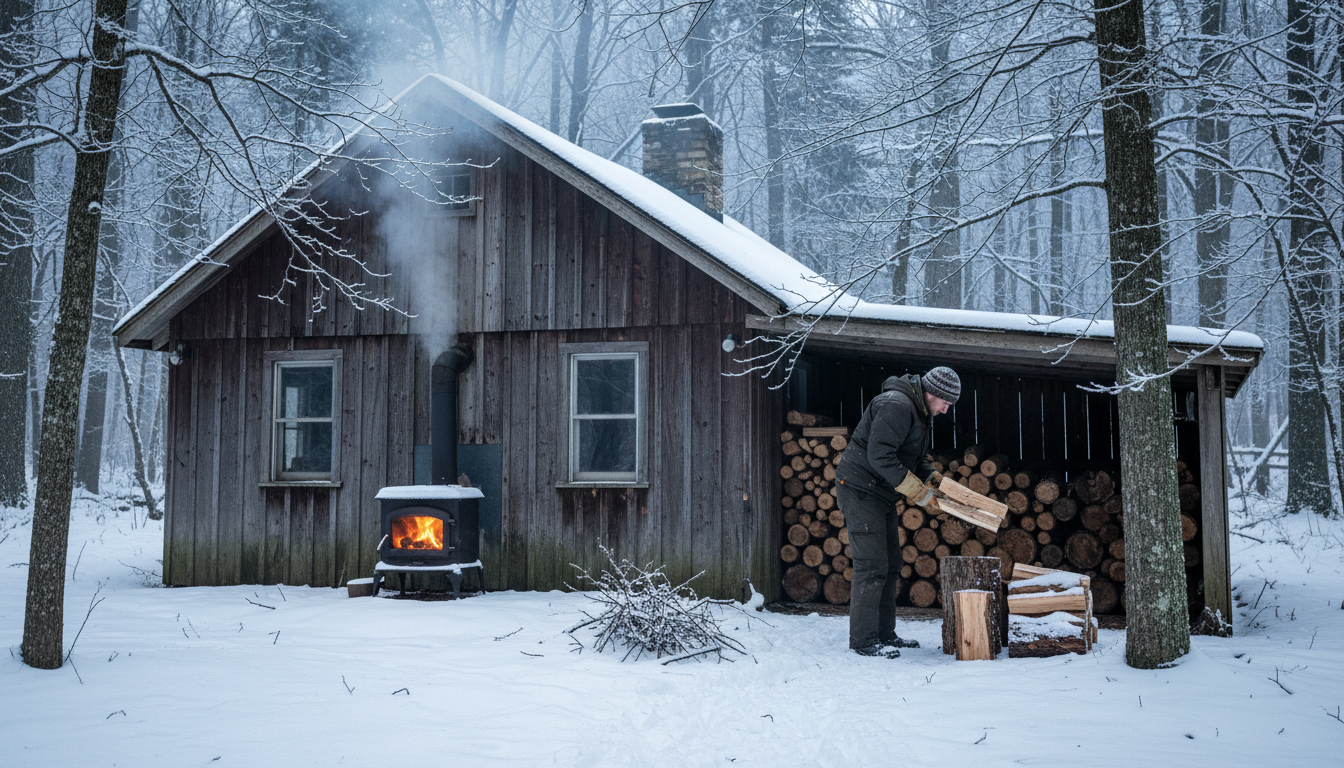

Wood Burning: An Essential Winter Practice With a Cautionary Note for Connecticut Residents
Winter’s Double-Edged Sword: Comfort and Caution
(HARTFORD) — As winter blankets New England with its signature chill, many residents turn to the warmth of wood-burning stoves. This cherished tradition not only staves off the cold but can also be a financially savvy alternative to conventional heating methods. However, hidden dangers accompany this practice. Alarmingly, an old, inefficient wood stove can emit as much pollution as five aging diesel trucks—a staggering fact that underscores the importance of sustainable wood-burning practices.
The Connecticut Department of Energy and Environmental Protection (DEEP) urges homeowners to adopt best practices for wood burning to safeguard their health and that of their families, friends, and neighbors. Utilizing the right type of wood in a responsible manner can mitigate harmful air pollutants, a pressing public health concern.
Understanding Wood Smoke: A Toxic Culprit
Wood smoke is not merely a harmless byproduct; it is a toxic concoction of gases and fine particles released when wood burns. Among the hazardous air pollutants found in wood smoke are formaldehyde, benzene, acrolein, and polycyclic aromatic hydrocarbons (PAHs). Heavy metals such as lead and arsenic are also present, which can devastate air quality during cold winter days.
Why It Matters
The impact of wood smoke extends beyond individual health; it affects entire ecosystems and local economies, critical elements for outdoor enthusiasts, conservationists, and local businesses. Poor air quality can deter hikers from enjoying backcountry adventures and hunters from pursuing their passions. Furthermore, areas plagued by air pollution may experience declines in tourism, impacting local economies reliant on outdoor recreation.
Best Practices for Responsible Wood Burning
Based on DEEP’s recent guidance, here are essential tips for minimizing wood smoke pollution while maximizing heat efficiency:
-
Select Your Wood Wisely
Only burn dry, seasoned wood. Properly seasoned wood has a darker hue, weighs less, and produces a hollow sound when struck. Softwoods like pine require a minimum of six months to dry, while hardwoods such as oak need about a year. -
Avoid Hazardous Materials
Never burn household items like plastics, foam, or any materials that can release toxic chemicals. Not only do these practices compromise air quality, but they can also damage your stove. -
Dodge Wet Wood
Wet wood translates to excessive smoke and minimal heat. Use a moisture meter to ensure wood has a moisture content of 20% or less before burning. -
Upgrade for Efficiency
If possible, replace old stoves with newer, EPA-certified models. These modern appliances reduce air pollution by an impressive 70% while using one-third less wood. -
Fire Management
Maintain proper airflow and never allow fires to smolder. Close the appliance doors unless adding wood to keep harmful emissions, such as carbon monoxide, from entering your living space. -
Chimney Care
Regularly have your chimney cleaned and inspected at least once a year to ensure proper draft and reduce fire risks. -
Safety First
Always keep a fire extinguisher within reach and check local air quality forecasts before lighting a fire.
Field Insights: Pro-Tips from the Experts
-
Opt for Local Suppliers: Purchase wood from reputable, local sources to ensure it’s seasoned and sustainably harvested.
-
Log Storage Matters: Store your wood in a dry and sheltered location to optimize seasoning.
-
Community Awareness: Engage with your neighbors about wood-burning practices to foster a cleaner community environment.
By adhering to these guidelines, Connecticut residents can maintain that cozy winter ambiance while protecting their health and the environment. For further details on efficient wood-burning practices, visit the EPA’s Best Wood-Burning Practices webpage.
Stay empowered and responsible this winter season—your health and the environment will thank you.
Stay Connected
For additional insights and live updates, follow DEEP on Twitter @CTDEEPNews and on Facebook DEEP on Facebook.
Contact DEEP Communications:
Email: DEEP.communications@ct.gov
Phone: 860-424-3110