


The Looming Threat: Habitat Fragmentation and Its Impact on Wildlife Biodiversity
In the heart of our nation’s wild landscapes, a silent struggle unfolds—habitat fragmentation is isolating wildlife populations and threatening biodiversity. As conservationists and outdoor enthusiasts venture into these rich natural environments, it becomes increasingly clear that the delicate balance of our ecosystems hangs in the balance.
Understanding the Dynamics of Habitat Fragmentation
Habitat fragmentation occurs when larger, continuous habitats are divided into smaller, isolated patches due to human activities such as urbanization, agriculture, and the expansion of infrastructure. This phenomenon undermines the carrying capacity of ecosystems, ultimately disrupting the delicate web of life that sustains both flora and fauna.
Recent studies reveal alarming trends: species that once thrived in vibrant riparian corridors are now facing unprecedented declines. The disruption of migratory pathways and reduced access to food sources are leading to isolated populations that struggle to thrive. As these populations dwindle, so too does genetic diversity—the very cornerstone of resilience in the face of environmental shifts.
Why It Matters
The implications of habitat fragmentation extend far beyond the wildlife on the brink of extinction; they ripple into the local economies and outdoor recreation sectors that depend on healthy ecosystems.
- For Hunters and Anglers: A decrease in wildlife populations directly impacts hunting seasons and fishing quotas, limiting sporting opportunities and jeopardizing local traditions.
- For Hikers and Outdoor Enthusiasts: Fragmented habitats reduce the aesthetic and recreational value of trails, diminishing the experiences of those who seek solace in nature.
- For Conservationists: The loss of biodiversity weakens ecosystem services—natural processes that provide clean air, water, and fertile soil essential for human survival.
Local economies dependent on eco-tourism may find themselves struggling to attract visitors drawn to rich landscapes and abundant wildlife.
Field Insights: Pro-Tips for Engaging with Nature Responsibly
-
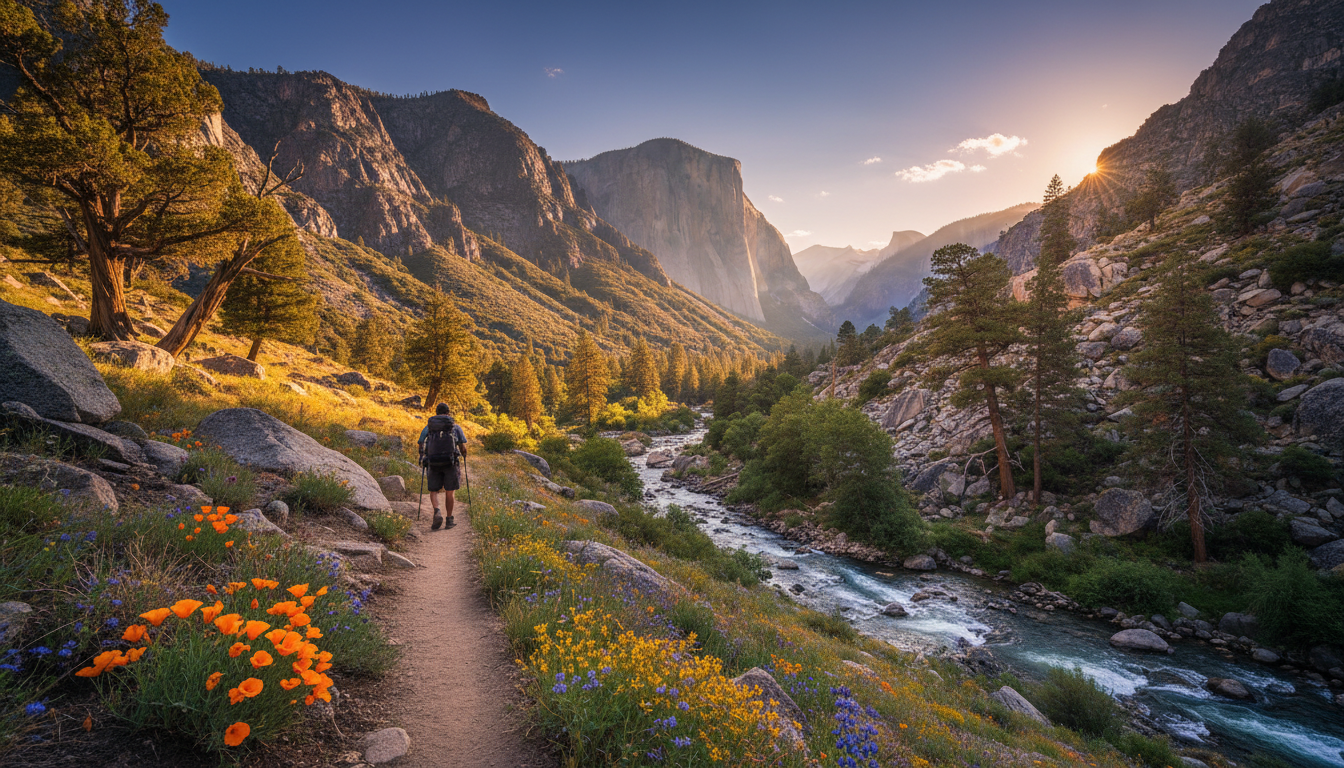
Stay on Designated Trails: Always opt for established routes to minimize your impact on surrounding habitats. Straying from pathways can lead to further fragmentation.
-
Participate in Local Conservation Efforts: Engage in habitat restoration projects. Volunteering can contribute to reclaiming fragmented spaces and enhancing connectivity among wildlife corridors.
-
Educate Yourself on Local Fauna: Understanding the species in your area, including their migration patterns and habitat needs, can aid in advocacy and informed recreational choices.
-
Report Changes: If you observe a decline in wildlife numbers or emerging barriers to migration paths, report these findings to local wildlife agencies. Your observations can contribute to essential data collection efforts.
Conclusion
The challenge of habitat fragmentation is a complex interplay between human development and natural ecosystems. As seasoned outdoor enthusiasts, we must advocate for thoughtful policies that prioritize the preservation of our landscapes. Protecting habitat connectivity is not just an ecological imperative; it is a responsibility we owe to future generations who will rely on these wild lands for recreation, sustenance, and solace. Only through collective action can we preserve the rich tapestry of life that defines our shared outdoor heritage.