


Southeast Region Winter Feeding Advisory Committee to Address Critical Wildlife Assessment
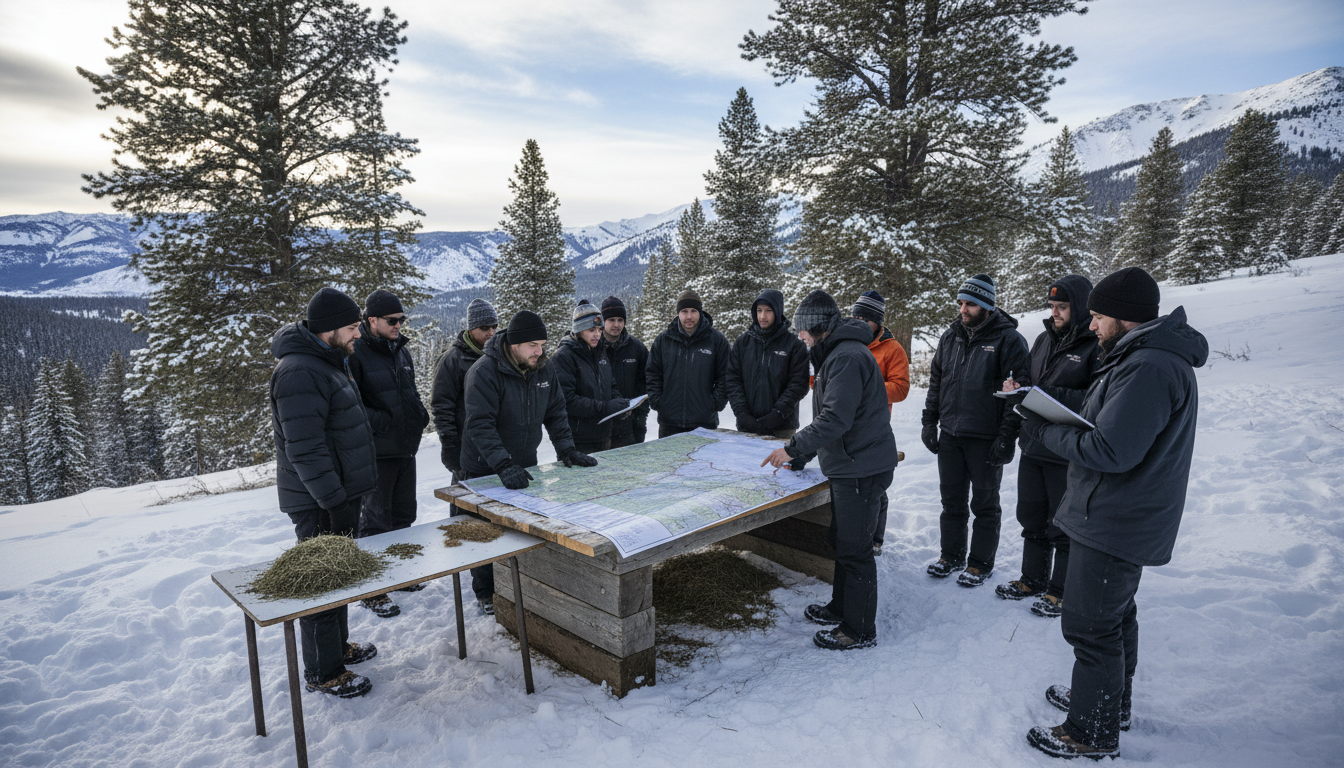
As winter blankets the Southeast Region of Idaho, the vital task of monitoring big game health and activity takes center stage. On Tuesday, January 13, at 6:00 p.m., the Southeast Region Winter Feeding Advisory Committee (WFAC) will convene at the Idaho Fish and Game Southeast Region Office. This strategic meeting aims to evaluate the challenging winter conditions affecting wildlife and inform winter-feeding decisions crucial for conservation efforts.
Understanding the Committee’s Role
The WFAC, composed of five dedicated local citizens, meticulously tracks a variety of factors that impact big game animals, including:
- Movement patterns
- Depredation incidents
- Activity levels near roadways
- Body conditions of animals
- Mortality rates
These community members are not merely passive observers; they play an essential role in translating the pulse of the local environment to Idaho Fish and Game (IDFG). By meeting several times throughout the winter, the WFAC assesses local weather patterns, wildlife distribution, and landscape conditions. Their observations serve as a critical link between the agency and local residents, who rely on their insights to manage and protect the region’s natural resources.
While the public is invited to attend the meeting—either in person or via phone—their ability to engage is limited. Attendees will primarily observe proceedings, as the committee’s protocol does not allow for public comments or questions during the meeting. However, input is encouraged prior to the meeting through calls, emails, or texts to both IDFG staff and WFAC members.
To prepare yourself further, you can explore detailed information about winter feeding practices in Idaho here.
Meeting Details
- Date: January 13, 2026
- Time: 6:00 p.m.
- Location: Idaho Fish and Game Southeast Region Office, 1345 Barton Road, Pocatello, ID
- Call-in Number: 208-236-1280
Agenda Highlights:
- Welcome: Jennifer Jackson, IDFG
- A reminder for the public to listen in, but not participate in discussions
- Reports from WFAC members regarding regional observations, issues, and concerns
- Updates from IDFG staff on collaring and survey efforts
- Discussion of any additional items, concerns, or questions
- Establish the date for the next meeting
- Adjournment
Why It Matters
Understanding the dynamics of big game populations during the harsh winter months has far-reaching implications. The decisions made by the WFAC and IDFG are not just bureaucratic formalities; they directly affect the ecological balance, community health, and recreational opportunities for hunters, hikers, and nature enthusiasts.
Efficient management during winter can mitigate adverse outcomes, such as starvation or disease outbreaks, that could lead to population crashes and affect local economies reliant on wildlife-related tourism. Proactive measures can preserve healthy wildlife populations and ensure that Idaho remains a premier destination for outdoor activities.
Field Insights: What to Watch For
As winter deepens, here are a few pro-tips for outdoor enthusiasts:
-
Observe Wildlife Behavior: Look for signs of habitat use or distress in big game animals, especially near roadways. Your observations may contribute valuable data to local wildlife management.
-
Weather Patterns: Stay attuned to changing weather conditions. Heavy snowfall can lead to increased wildlife movement toward lower elevations, impacting their safety and access to food.
-
Community Engagement: Although public comments are not accommodated during meetings, engaging with WFAC members or IDFG staff via emails or calls can ensure your observations make it to the decision-makers. Your voice matters in shaping conservation efforts.
As the WFAC moves forward in this critical winter assessment, it underscores the importance of collaborative efforts between local citizens and conservation agencies to safeguard Idaho’s wildlife heritage.