

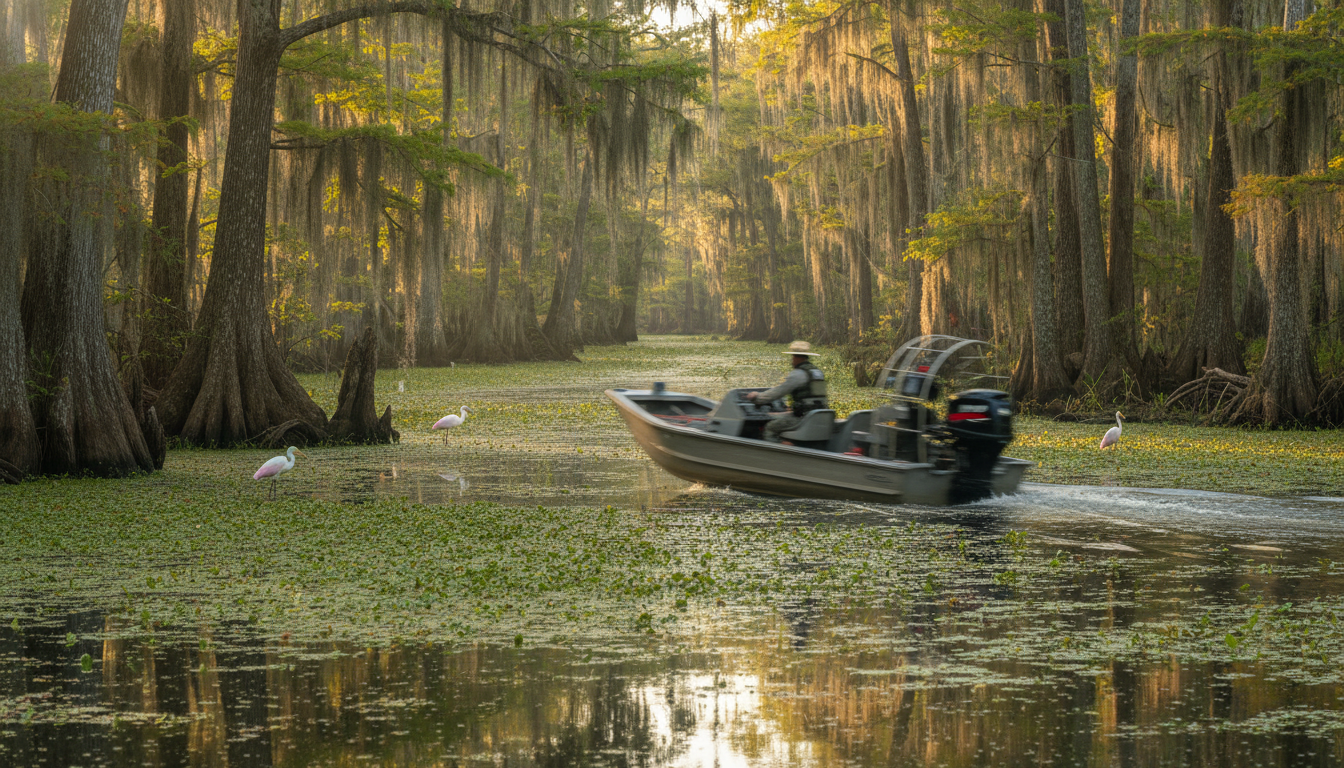

St. Johns River Blue Crab Trap Closure: A Preemptive Measure for Sustainability
Preparation for a Crucial Policy Shift
As winter sets in, the St. Johns River system is gearing up for a significant environmental regulation. Starting January 16, 2026, recreational and commercial blue crab trapping will come to a standstill, necessitating the removal of all traps from the water by this date. This decision underscores ongoing efforts to safeguard the aquatic ecosystem of this vital waterway.
A Call for Community Engagement
In tandem with this closure, the Florida Fish and Wildlife Conservation Commission (FWC) is issuing an invitation for public participation in two upcoming listening sessions focused on Lake Okeechobee’s management. These sessions will serve as critical platforms for community members to voice their opinions on the stewardship of fish, wildlife, and habitat. Engaging local stakeholders is essential as Florida continues to balance ecological needs with recreational opportunities.
2025 Achievements in Conservation: A State on the Frontlines
Reflecting on a productive year, the FWC recently reported its milestones in conservation for 2025. Under the leadership of Governor Ron DeSantis, Florida has solidified its reputation as a national paradigm of successful conservation practices. Initiatives supporting world-class fishing, hunting, and outdoor recreation remain at the forefront, ensuring that invaluable natural resources are preserved for future generations.
Apalachicola Bay Reopens: A Hard-Won Victory
Another noteworthy development is the reopening of the Apalachicola Bay for recreational and commercial oyster harvesting from January 1 to February 28, 2026. This marks the first harvest opportunity since 2020, driven by over $38 million invested in ecosystem restoration projects. As the bay attempts to recover from historical declines in oyster populations and habitat degradation, this opening serves as a beacon of hope for local fishermen and the marine ecosystem alike.
Evolving Policies for Sustainable Hunting
In a recent meeting, FWC officials shared the results of the 2025 black bear hunt, reflecting meticulous planning and regulation aimed at ensuring sustainable population management. Public input has shaped these new amendments, emphasizing the importance of community voices in wildlife management.
Honoring Excellence in Resource Management
The FWC has also recognized Matthew Koenig, lead area biologist for the Chinsegut, Perry Oldenburg, and Janet Butterfield Brooks Wildlife and Environmental Areas, as the 2024 Jim Stevenson Resource Manager of the Year. His leadership exemplifies the dedication required to maintain Florida’s diverse ecosystems.
Advancements in Fishing Records
The Florida Saltwater State Records program has reported significant growth, catalyzed by the launch of the Adult and Youth Length and Youth All Tackle categories. This inclusivity has galvanized communities, encouraging widespread participation and enhancing the collective fishing experience.
Innovative Marine Habitat Construction
To bolster marine environments, FWC has sunk a 227-foot freight vessel nine miles offshore of the St. Lucie Inlet, effectively creating a new habitat approximately 200 feet underwater. This initiative aims to foster marine biodiversity and enhance recreational fishing opportunities.
Budget Priorities Reflect Conservation Goals
Governor DeSantis’ “Floridians First Budget” emphasizes pivotal allocations towards protecting oyster reefs, preserving manatee populations, and upholding Floridians’ constitutional rights to boat, fish, and hunt. With a staggering 34 million acres of land and 12,000 square miles of water under stewardship, maintaining robust fish and wildlife resources is not just an environmental concern but an economic one as well.
Why It Matters
The consequences of these regulatory shifts and collaborative management efforts resonate far beyond immediate impacts. Sustainable practices not only ensure ecological balance but also revitalize local economies reliant on recreational fishing and tourism. These essential resources provide not only livelihoods but also deeply-rooted cultural connections to the land and water.
Field Insights: Navigating Sustainability
As we transition into this new year, here are a few pro-tips for engaging with Florida’s changing environmental policies:
- Stay Informed: Regularly check for state and local updates on fishing and hunting regulations to ensure compliance.
- Join Community Sessions: Voice your concerns and suggestions during public meetings to influence local wildlife management strategies.
- Support Restoration Efforts: Get involved with local conservation initiatives, from dune restoration to oyster reef projects, to contribute positively to the ecosystem.
By taking these proactive steps, residents can play an integral role in the sustained health of Florida’s vibrant natural landscapes.