

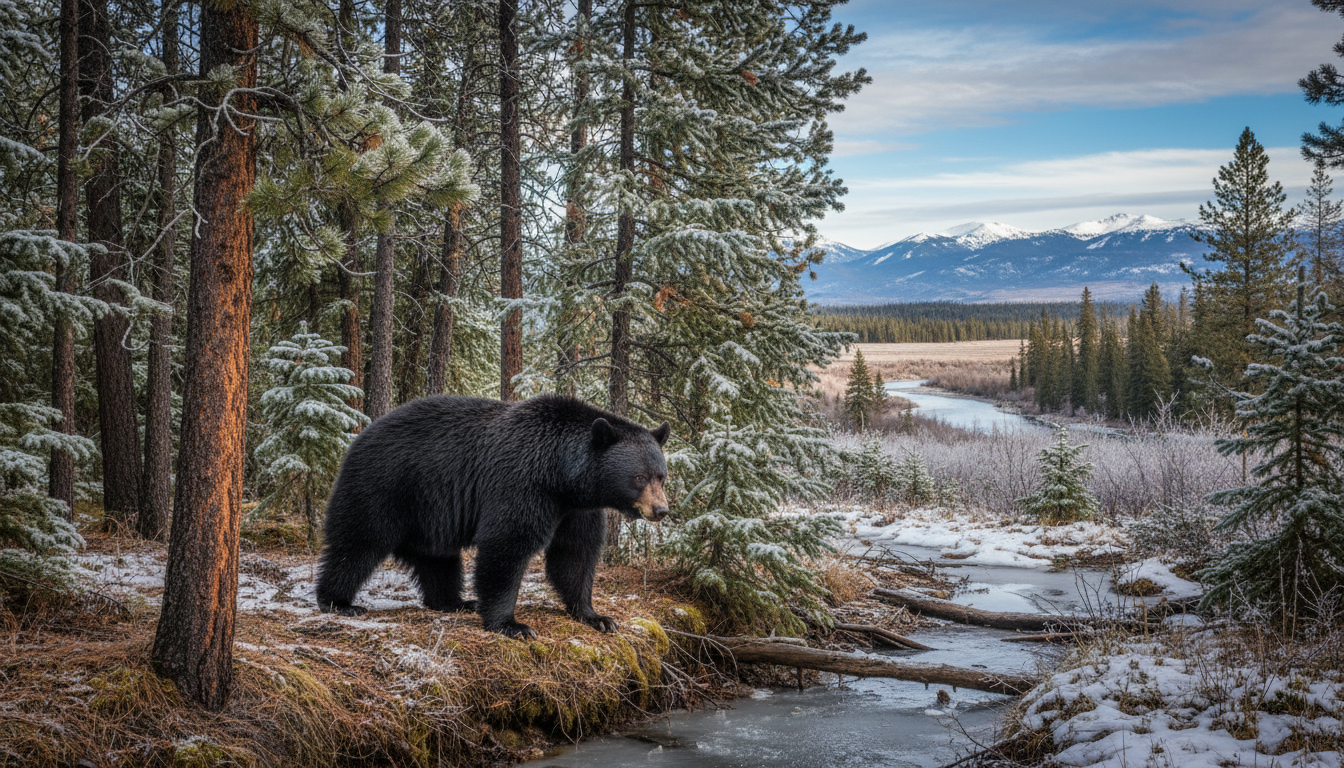

Junior Hunters Prepare for 2026 Spring Bear Controlled Hunt: What You Need to Know
As spring approaches and the gentle thaw of the Idaho landscape begins, the excitement of outdoor enthusiasts peaks with the outset of the spring black bear controlled hunt. For junior hunters, the thrilling experience of participating is just around the corner, but essential details are crucial for a successful expedition.
Junior Hunters’ Eligibility and Application Deadlines
In Idaho, aspiring junior hunters aged 10 to 17 can enter the exciting yet regulated world of black bear hunting. A 9-year-old can purchase a junior license but must be 10 years old on the date of the hunt for which they are applying. This policy ensures that young hunters are prepared and mature enough to engage in such responsibility while still allowing early preparation to foster a lifelong passion for conservation and responsible hunting.
Mark your calendars: Applications for the spring 2026 black bear controlled hunt will close on February 15. Success in this competitive process will be communicated by March 10, with any leftover tags going on sale starting April 1. This timeline is pivotal for budding hunters who wish to seize the opportunity to hunt responsibly within Idaho’s diverse ecosystems.
Proof of Acumen: The Bear Identification Test Requirement
Before setting foot in the rugged Idaho backcountry, all hunters must present evidence of passing the Bear Identification Test. This crucial measure equips hunters with the knowledge needed to differentiate between grizzly bears and black bears, both of which inhabit different regions of Idaho.
Grizzly bears are a federally protected species, meaning there’s no hunting season for them and misidentification can lead to severe legal ramifications and ecological consequences. As such, understanding their distinct physical traits is paramount.
Key Differences Between Grizzly Bears and Black Bears:
- Head Shape: Grizzlies possess a more pronounced hump above the shoulders.
- Facial Features: The profile of a grizzly is more rounded, while black bears have a more pointed nose.
- Claws: Grizzly bears feature longer claws, which are adapted for digging.
- Size: While size can vary, adult grizzlies are generally larger and bulkier compared to black bears.
Relying solely on one trait can be misleading; a comprehensive understanding of multiple characteristics is essential for accurate identification. Hunters are encouraged to review the educational materials available on the Bear Identification and Test Requirement webpage prior to taking the test.
Why It Matters
Understanding the nuances of bear identification and the eligibility framework not only promotes responsible hunting but also plays a significant role in conservation efforts. Proper identification prevents the illegal hunting of grizzly bears, which are vital to Idaho’s ecological balance and habitat integrity.
For junior hunters, learning the meticulous methods of distinguishing species cultivates respect for wildlife and fosters a deeper connection to Idaho’s rich natural heritage. Additionally, the economic ripple effect of regulated hunting activities supports local businesses, tourism, and outdoor recreation industries, reinforcing the importance of ethical hunting practices.
Field Insights: Pro Tips for Aspiring Junior Hunters
-
Study Hard: Review all educational materials related to bear identification before you take the test. Knowledge is your greatest ally.
-
Practice Identification: Spend time in the field distinguishing between different bear species. Use tools like wildlife observation guides.
-
Prepare Logistically: Ensure you have all gear, including a GPS, appropriate clothing, and safety equipment, ready well before the hunt.
-
Connect with Mentors: Seek guidance from experienced hunters who can provide practical advice and field insights.
By embracing the challenges and responsibilities of junior hunting, the next generation of outdoor enthusiasts can honor Idaho’s wild landscapes while developing skills that will last a lifetime. The adventure awaits, but preparation is vital for a fruitful and responsible experience in the great Idaho outdoors.