


When Wildlife Intrudes: Navigating Human-Animal Encounters at Home
The Unexpected Guests in Our Homes
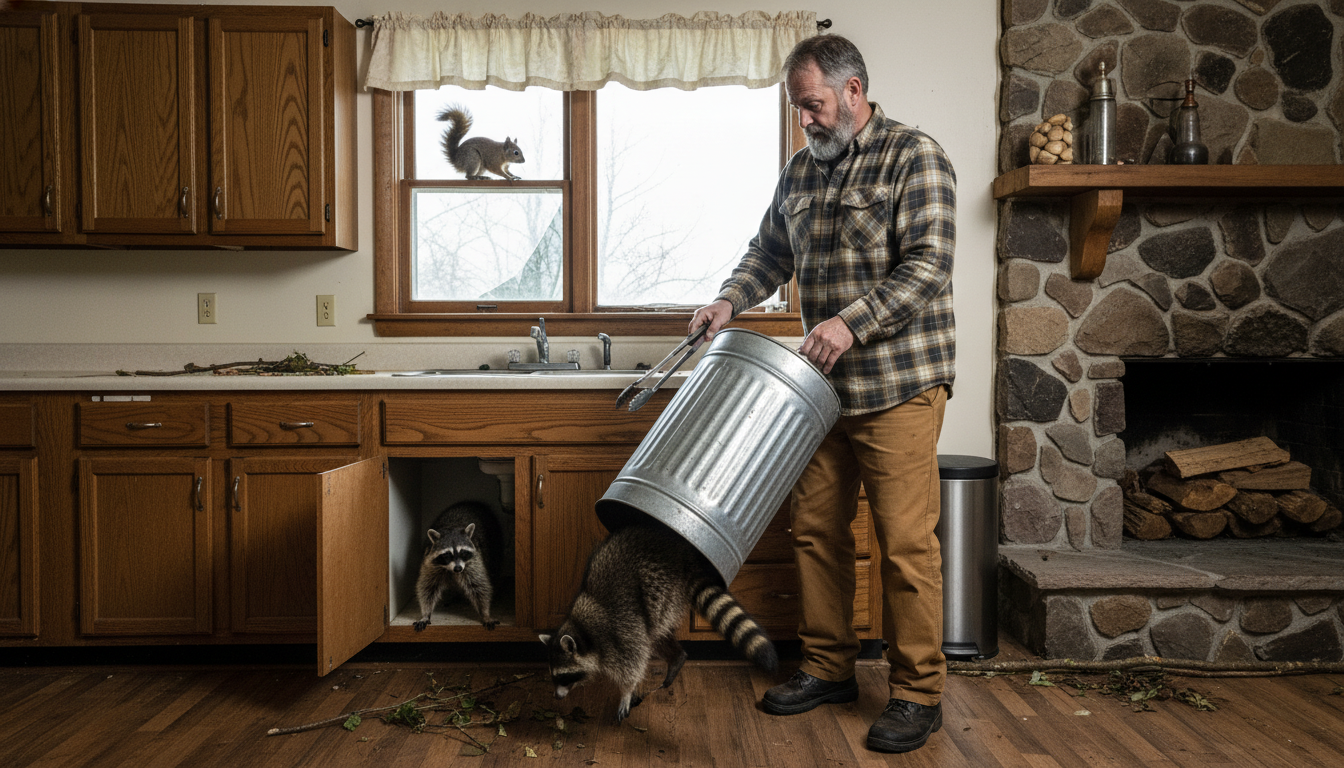
As autumn descends and the chill of winter approaches, many wild animals seek shelter from the elements, leading to uninvited visits in urban and suburban settings. For homeowners, this often means grappling with wildlife species such as raccoons and squirrels, which capitalize on their remarkable climbing abilities to gain access to our living spaces. These encounters, while not uncommon, have significant implications for homeowners and local ecosystems alike.
Understanding Common Intruders
Wild animals typically invade human dwellings in search of three primary necessities: food, warmth, and safe places to raise their young. Raccoons, with their dexterous paws and size, require substantial openings to enter homes, while agile squirrels often exploit eaves, chimneys, or various forms of dislodged siding to gain entry.
Both species not only make their presence known through the sounds of scurrying and scratching but also leave visible clues behind, such as chewed wood or torn insulation. However, they’re not the only wildlife species to pose potential threats; birds, bats, opossums, and even snakes may also seek refuge within our homes.
Preventative Measures: Your Best Defense
Proactive strategies are key to avoiding such invasions. Here are essential measures you can take to safeguard your home from wildlife:
- Install Approved Chimney Caps: These prevent animals from slipping into your chimney and subsequently your living area.
- Seal Eaves and Exposed Areas: Ensuring that there are no gaps or loose materials helps deter various climbing species.
- Regular Maintenance: Inspect roofing materials and siding frequently to address any vulnerabilities.
Recognizing the species that has breached your threshold is critical for addressing the situation effectively. Depending on the creature involved, some homeowners may find it possible to manage the issue themselves. However, consulting a district wildlife biologist can offer tailored advice suited to your unique scenario.
Vital Consideration: Professional Assistance
It is essential to note that the Indiana Department of Natural Resources does not provide wildlife removal services. For those who prefer not to engage in trapping or removal, contacting a qualified Wildlife Control Operator or Waterfowl Control Operator is recommended. These professionals set their own rates and fees, so it’s prudent to research options thoroughly. For further information, visit the Living with Wildlife webpage.
Why It Matters
The Broader Impact on Conservation and Ecosystems
Understanding the dynamics between humans and wildlife is pivotal for hunters, hikers, conservationists, and local economies. As urban areas expand into natural habitats, many species are increasingly drawn to human spaces. This phenomenon not only disrupts wildlife patterns but also raises concerns around disease transmission, property damage, and the safety of both animals and residents.
Moreover, improper wildlife management can hinder local conservation efforts, complicating issues related to biodiversity and ecosystem balance. A community well-versed in both prevention and ethical wildlife management not only secures their living arrangements but contributes to a healthier coexistence with nearby ecosystems.
Field Insights: Pro-Tips for Observant Homeowners
- Identify Tracks: Familiarize yourself with tracks and droppings of common intruders. This can help in diagnosing the issue quickly.
- Be Alert to Noise: Nocturnal species like raccoons may become particularly active at night, making attention to sounds critical during those hours.
- Monitor Feeding Sources: Be mindful of unsecured trash cans or pet food left outside; these can attract unwanted guests.
By enhancing your awareness and preparedness, you not only reinforce your property against wildlife intrusions but also take an active role in responsible stewardship of the local environment. As we continue to navigate the intersections of human and wildlife territories, a strategic approach can benefit both our homes and the vibrant ecosystems we share.