


Florida’s Regulated Black Bear Hunt: Balancing Conservation and Tradition
As the sun rises over Florida’s lush forests, a new chapter in wildlife management unfolds. The Florida Fish and Wildlife Conservation Commission (FWC) has rolled out a set of amendments to black bear hunting regulations that took effect in the 2025 hunting season. The implementation of these changes highlights a calculated approach to conservation, aiming to sustain the state’s population of this iconic species while offering regulated opportunities for hunters.
The Hunt Begins
After thorough discussions at the FWC’s August and November meetings in 2025, commissioners approved the establishment of designated Bear Hunting Zones (BHZ) within four of the state’s seven existing Bear Management Units (BMUs). Through a randomized drawing, 172 exclusive permits were allocated across the East Panhandle, North, Central, and South BMUs, each permit granting the right to harvest one bear within the specified zone.
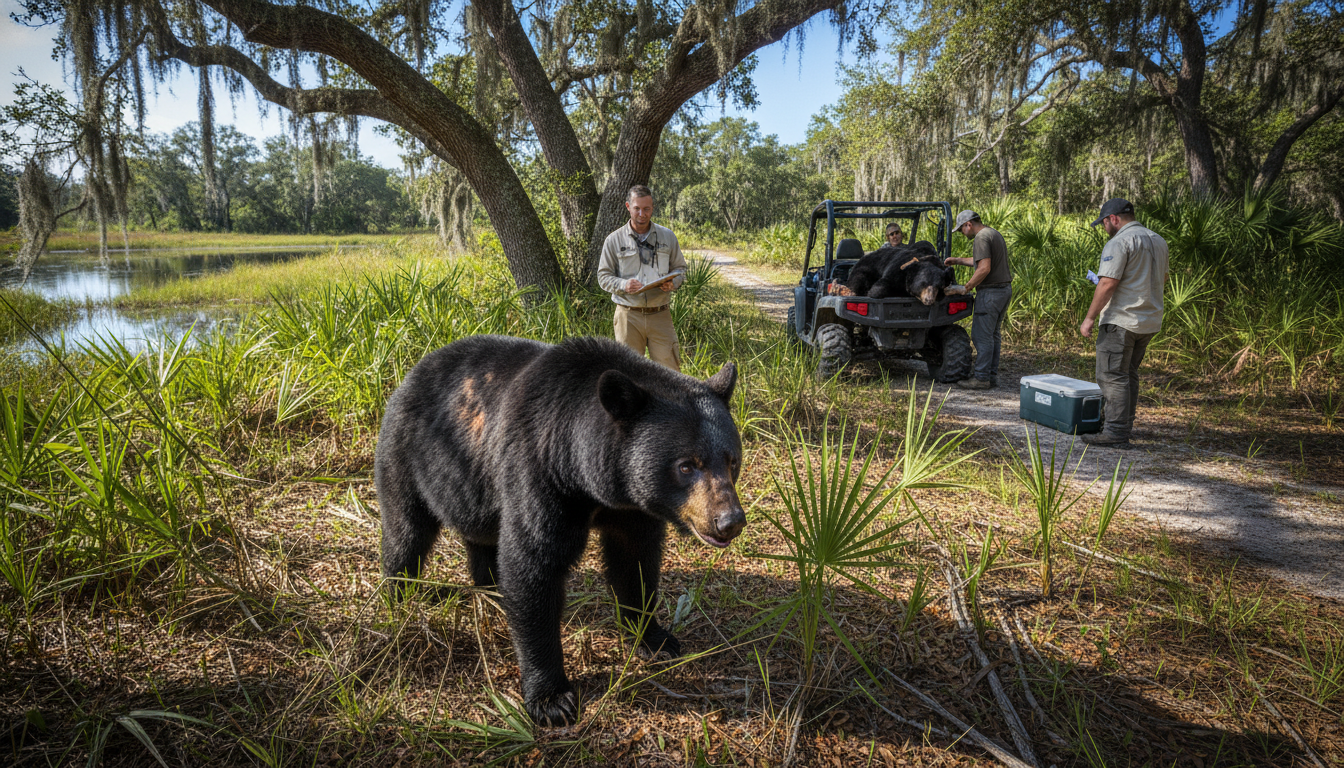
The results from the 2025 bear hunt were promising: a total of 52 bears harvested, yielding a success rate that aligns closely with other states that maintain similar hunting protocols. FWC staff and bear response contractors meticulously examined every harvested bear, gathering essential biological data that will inform future management strategies. An analysis of this data is currently underway, with a comprehensive harvest report slated for release in the coming months.
“The 2025 black bear hunt, rooted in sound scientific data, was a success. We’re proud to have joined the more than 30 states that manage black bears with regulated hunting,” said FWC Executive Director Roger Young. “The limited number of permits issued in areas with the largest bear populations reflect a conservative approach that ensures the long-term health of bear populations while also providing opportunities for hunters.”
Why It Matters
The introduction of regulated hunting is a critical aspect of Florida’s broader conservation framework, specifically as outlined in the 2019 Florida Black Bear Management Plan. This thoughtful and well-regulated approach allows the FWC to effectively manage population growth rates, particularly in regions dominated by high-density bear subpopulations. By balancing wildlife numbers with habitat quality, the long-term health of these majestic creatures is safeguarded.
However, this is not merely an issue of hunting; it’s a vital piece of a bigger puzzle. Effective wildlife management also considers human-bear interactions. While controlled hunting can help manage bear populations, it does not eliminate the need for ongoing conflict resolution practices. Neighborhoods and outdoor enthusiasts in bear-occupied areas must remain vigilant, as the embrace of nature comes with certain responsibilities.
Field Insights: What to Watch For
-
Hiking Safely: When venturing into bear territory, carry bear spray and make noise to avoid surprising bears. Never approach a bear or its cubs, and be aware of your surroundings.
-
Storing Food: If camping or hiking, ensure food is stored securely. Utilize bear-resistant containers wherever possible to prevent attracting bears.
-
Community Education: Local workshops can be beneficial for residents in bear-prone areas. Understanding bear behavior and conflict prevention strategies is essential for community safety.
Law Enforcement and Compliance
The FWC’s Division of Law Enforcement ramped up its resources during the 2025 bear hunt to ensure a secure and compliant hunting environment. Strong officer engagement and comprehensive hunter education initiatives led to exemplary adherence to regulations, with only one warning issued for a minor Wildlife Management Area violation. Importantly, a thorough investigation into all reported wildlife violations found no breaches, further underscoring the successful cooperative spirit of the hunt.
“Our officers maintained a robust presence throughout the hunt, ensuring that it was conducted safely and legally,” noted Colonel Alberto Maza, Director of the FWC Division of Law Enforcement. “Our primary focus was education, and I am proud of our officers for protecting this invaluable resource.”
Conclusion
As Florida continues to navigate the intricate balance between wildlife management and recreational hunting, the 2025 black bear hunt signifies a collective commitment to conservation. Both hunters and conservationists play crucial roles in fostering a sustainable future for the state’s black bear population.
For more information about regulated bear hunting, including frequently asked questions, visit MyFWC.com/hunting/bear. Tips for minimizing bear conflicts and general information can be found at MyFWC.com/wildlifehabitats and at BearWise.org. By responsibly enjoying Florida’s natural resources, we all contribute to the well-being of Florida’s wildlife and the integrity of our shared outdoor heritage.