

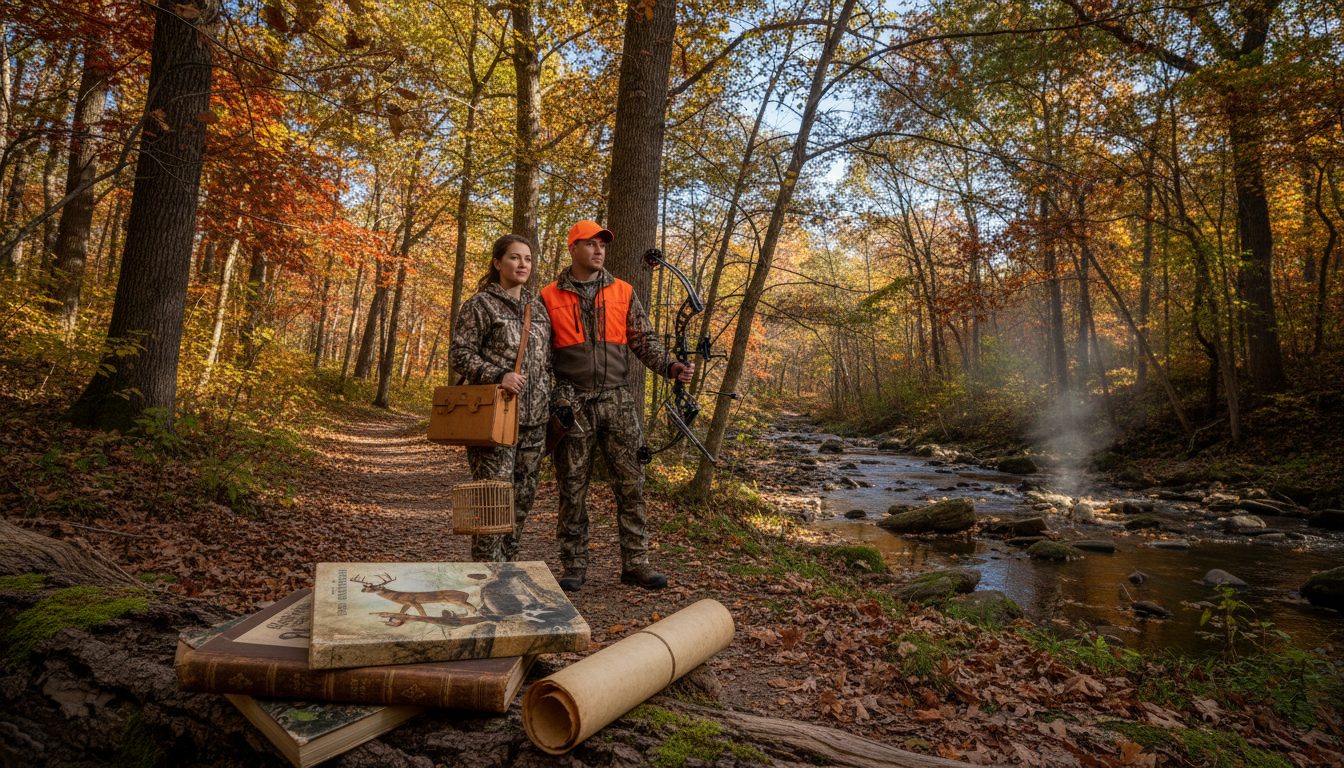

Navigating the Indiana Hunting & Trapping Guide: Key Insights for Today’s Outdoor Enthusiasts
Connecting Hunters with Essential Regulations
As the crisp air of autumn draws near, Indiana’s hunters and trappers are preparing for another season in the wild. Central to their readiness is the updated Indiana Hunting & Trapping Guide, now accessible through eRegulations, a third-party online platform. This resource offers an essential overview of hunting regulations, particularly crucial for those venturing into the state’s diverse ecosystems, from hardwood forests to expansive wetlands.
However, while the guide serves as a helpful tool, it is imperative to understand its limitations. Designed primarily as a service to assist Indiana’s outdoor enthusiasts, the guide does not encompass every detail of hunting and trapping regulations. As regulations can fluctuate due to administrative rules, awareness of these potential changes is crucial for responsible hunting practices.
The Landscape of Indiana’s Hunting Regulations
Mid-August typically marks the release of the new edition of the Hunting & Trapping Guide, a time when anticipation builds among hunters eager to integrate any modified regulations into their strategies. This year is no exception, as the Indiana Department of Natural Resources (DNR) has made it clear that they do not endorse any products or services advertised on the eRegulations platform, nor will they accept liability for any claims made therein. Therefore, engaging directly with the DNR for up-to-date information and clarification is advisable for serious hunters.
With the platform’s distinct privacy and security policies and the presence of advertisements, hunters should tread carefully. This precaution ensures that their information and experiences remain protected while they seek the best tools and practices for their outdoor excursions.
Why It Matters
Long-Term Implications for Outdoor Stakeholders
Understanding the nuances of hunting regulations in Indiana is more than a matter of compliance; it directly impacts wildlife conservation and sustainable resource management.
- For Hunters: Adherence to regulations helps maintain animal populations within healthy carrying capacities, ensuring responsible harvest practices while protecting Indiana’s rich biodiversity.
- For Conservationists: Effectively informed hunters contribute significantly to state-wide conservation efforts, as taxes from hunting licenses fund critical wildlife management programs.
- Local Economies: The hunting season stimulates local economies, with increased traffic in rural areas benefiting lodges, guides, and local businesses, creating a symbiotic relationship that supports both community and conservation.
Making sense of these regulations fosters not just the protection of wildlife, but also ensures continued enjoyment of Indiana’s outdoor resources for generations to come.
Field Insights: Pro-Tips for Indiana Hunters
As the season approaches, here are vital insights to enhance your hunting experience while ensuring compliance with the regulations:
- Stay Updated: Regularly check the eRegulations platform and the official DNR website for real-time changes. Sign up for alerts if available.
- Know the Zones: Familiarize yourself with Indiana’s various hunting zones and their specific regulations; these can differ considerably.
- Practice Ethical Hunting: Respect wildlife and their habitats by adhering to bag limits and weapon restrictions, ensuring ecological balance.
- Engage with the Community: Join local hunting organizations to hear firsthand accounts of regulation changes and best practices from experienced hunters.
- Use Reliable Resources: While eRegulations serves a purpose, prioritize information from the DNR to mitigate any potential misinformation.
Navigating the Indiana Hunting & Trapping Guide is imperative for today’s hunter, but the real challenge lies in adopting a conscientious approach that respects both regulations and the wildlife we cherish.