


Arkansas Game and Fish Commission Launches Second Round of Conservation Incentive Program: Applications Open Now
A Call to Action for Landowners
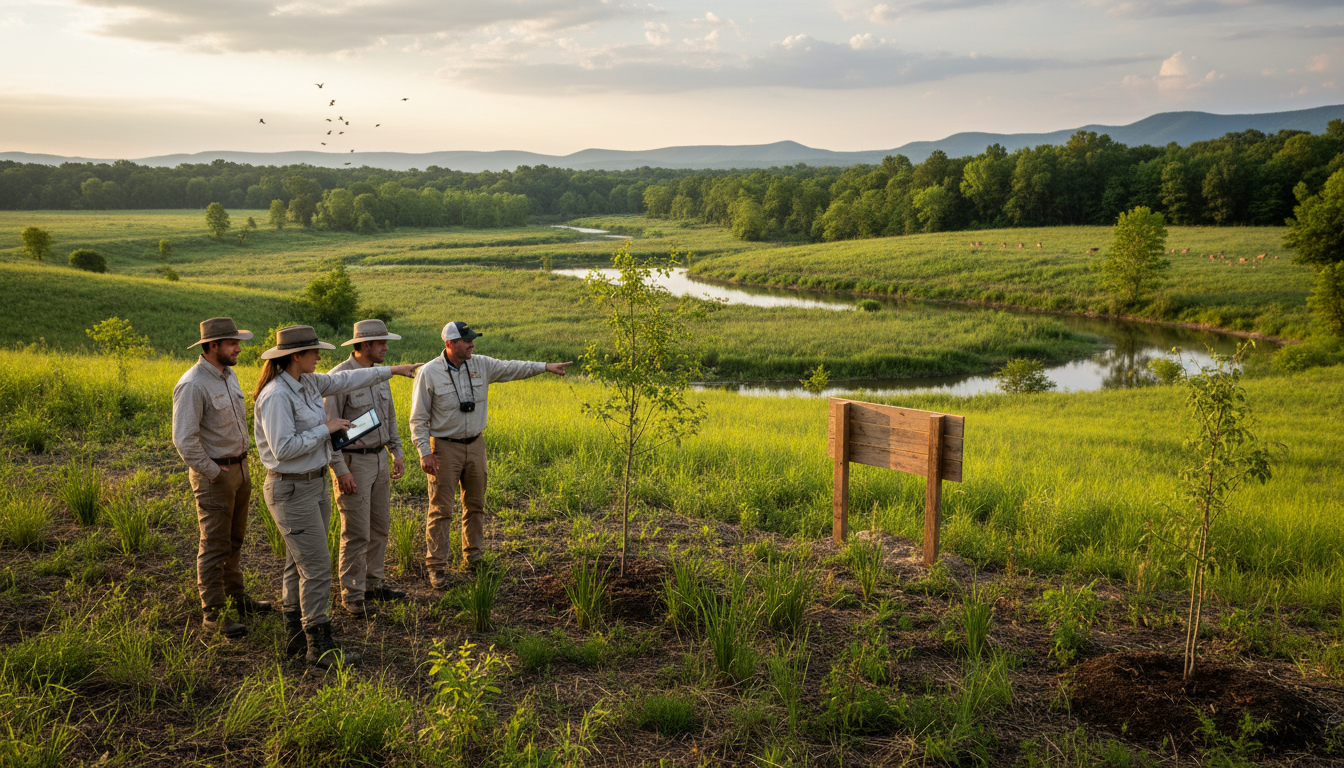
As the sunsets paint the Arkansas landscape with gold and crimson, the Arkansas Game and Fish Commission (AGFC) is extending an invitation to landowners to take part in a transformative Conservation Incentive Program. Open for applications until February 6, this initiative seeks to reimburse landowners for adopting management practices that enrich native wildlife habitats, forging a crucial alliance between private land stewardship and ecological health.
Strengthening Conservation Through Incentives
The inaugural Conservation Incentive Program, launched in 2024, has proven to be a resounding success, revitalizing wildlife habitat and bolstering invasive species management across private lands. With the backing of $3.5 million allocated by the 2023 Arkansas General Assembly, the AGFC empowered landowners to receive up to $10,000 for engaging in a range of nine activities. These initiatives aimed to enhance water quality, manage feral hog populations, implement prescribed fire, and maintain bottomland hardwood forests crucial for wetland conservation.
Seizing this momentum, the AGFC has secured an additional $650,000 through a grant from the U.S. Forest Service, focusing this second phase on three high-impact conservation practices. Moreover, the commission has raised the reimbursement cap to an impressive $20,000 per landowner to facilitate larger-scale restoration efforts.
“Private landowners are the backbone of conservation in Arkansas, as they own more than 80 percent of the state,” emphasized Garrick Dugger, Chief of the AGFC’s Private Lands Habitat Division. “By honing in on three specific, proven practices, we can significantly enhance habitat quality for quail, turkey, deer, and other species integral to Arkansas’s rich outdoor heritage.”
Why It Matters
The Long-Term Ecological and Economic Impact
This initiative is not merely about habitat maintenance; it’s about safeguarding the future of wildlife, enhancing ecosystem resilience, and invigorating local economies tied to outdoor recreation. Improved habitats translate into healthier populations of quail, deer, and other game species, yielding prolifically for recreational hunters and wildlife enthusiasts alike.
In addition, the ripple effects of enhanced conservation practices can boost local economies through eco-tourism. When habitats thrive, they attract not just wildlife but also hikers, birdwatchers, and outdoor adventurers who contribute to local economies.
Field Insights: Practical Tips for Landowners
- Research Best Practices: Familiarize yourself with the three high-impact practices highlighted by the AGFC—know how they can be adapted to your land.
- Document Your Activities: Keep detailed records of your conservation efforts to streamline the reimbursement process.
- Engage with Local Experts: Connect with AGFC representatives or local conservation groups for guidance and best practices tailored to your property.
- Stay Informed: Monitor wildlife activity and environmental changes on your land to assess the effectiveness of your conservation strategies.
Closing Thoughts
In an age where the survival of native species and ecosystems hangs in the balance, initiatives like the Conservation Incentive Program represent a beacon of hope. As Arkansas landowners step forward to embrace this opportunity, they not only contribute to the immediate beauty of their surroundings but also invest in the long-term health of their ecosystems and communities. Join the movement—apply by February 6, and be part of a legacy that ensures Arkansas’s natural splendor endures for generations to come.