


Critical Developments at Natural Resources Headquarters: Implications for Illinois Conservation and Recreation
Lead: An Urgent Call to Action in Conservation Management
Perched at 1 Natural Resources Way in Springfield, Illinois, the Illinois Department of Natural Resources (IDNR) stands as a critical nexus for wildlife stewardship and outdoor recreation policy in the state. Recent discussions within this institution have significant implications not just for ecosystem management but also for the myriad outdoor enthusiasts whose livelihoods and pastimes depend on healthy natural resources.
Deep Dive Analysis: A Crucial Moment for Conservation
On the surface, the IDNR’s operations may seem entrenched in policy and bureaucratic structure. Yet, the reality is far more dynamic. This agency, tasked with sustaining Illinois’ diverse ecosystems, faces immense challenges—from habitat fragmentation to the pressures imposed by climate change and an ever-increasing human footprint. For instance, during the last stakeholder meeting, experts highlighted concerning trends in riparian corridor degradation, which can jeopardize both aquatic and terrestrial biodiversity.
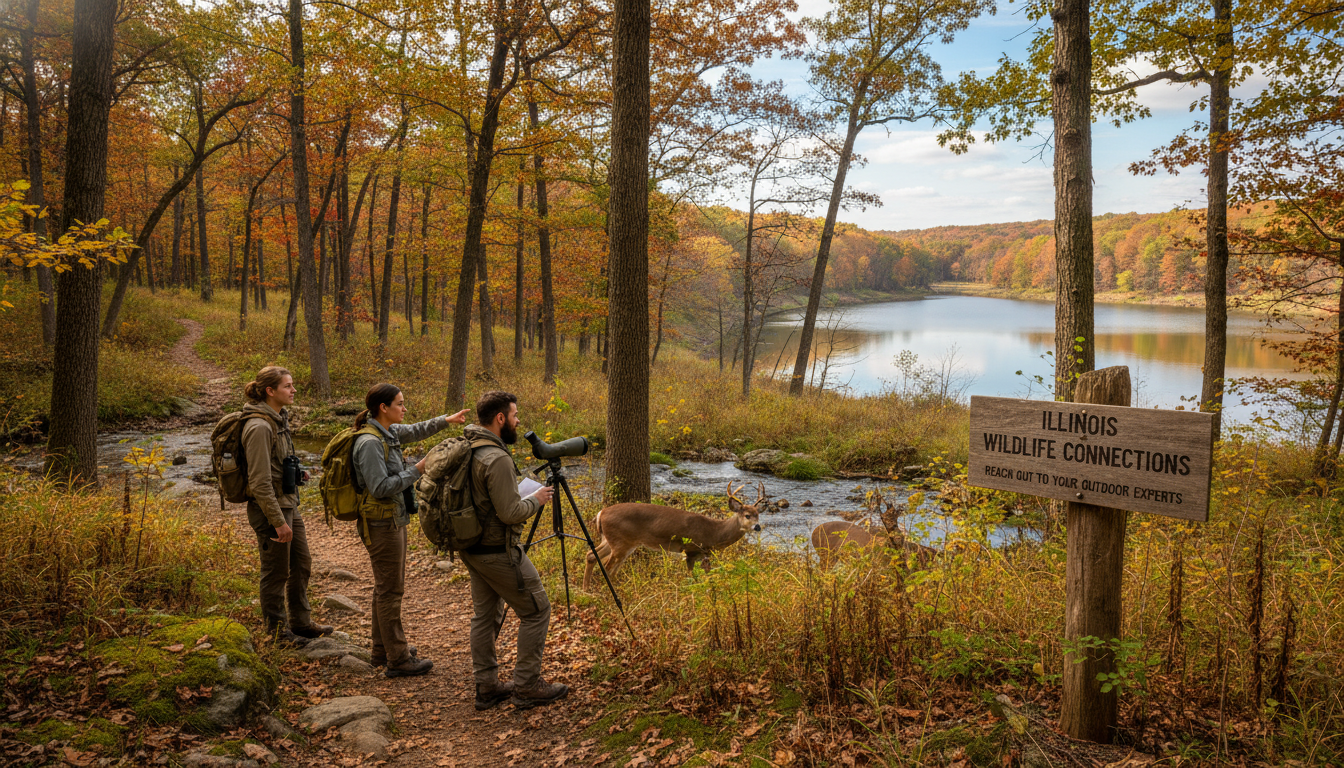
The IDNR manages a mosaic of habitats, from the expansive wetlands along the Mississippi River to the lush woodlands of Shawnee National Forest. Each ecosystem has its own unique carrying capacity, which must be meticulously monitored to ensure sustainable use. The ongoing discussions emphasize not merely regulation but collaboration with local communities, hunters, and environmental organizations.
As the state prepares to adapt to new legislative mandates, the IDNR is also poised to implement innovative strategies aimed at rejuvenating threatened waterways and preserving crucial wildlife corridors. These initiatives not only seek to enhance ecological resilience but also aim to foster a culture of stewardship among the citizens of Illinois.
Why It Matters: The Broader Implications
Long-Term Consequences for Hunters, Hikers, and Conservationists
- Wildlife Populations: Fluctuations in wildlife populations in response to habitat loss can alter hunting seasons and regulations, impacting not only sportsmen but the economic frameworks of rural communities that rely on these activities.
- Outdoor Recreation Opportunities: Greater accessibility to pristine outdoor spaces is essential for fostering public engagement in conservation; however, mismanagement could lead to overcrowded areas and subsequent ecological damage.
- Economic Impact: The interconnection between healthy ecosystems and local economies cannot be overstated. Conservation initiatives often translate into increased opportunities for eco-tourism, fishing, and hiking, all vital for sustaining Illinois’ economic viability.
By nurturing an environment conducive to both recreation and conservation, stakeholders will strengthen the community’s bond with the land while ensuring its health for generations to come.
Field Insights: Pro-Tips and What to Watch For
- Seasonal Changes: Wildlife behaviors shift seasonally; understanding these changes can enhance your experiences in the field. Pay attention to migration patterns, especially in waterfowl and deer populations.
- Conservation Events: Engage in local conservation events or volunteer initiatives through the IDNR. These opportunities not only provide firsthand insight into ongoing projects but also foster community spirit.
- Best Practices for Outdoor Ethics: Always adhere to Leave No Trace principles. As outdoor recreation increases, so does the responsibility of users to maintain the sanctity of natural spaces.
By remaining informed and active, outdoor enthusiasts can play a pivotal role in advocating for responsible stewardship and sustainable management of Illinois’ rich natural resources.
Conclusion
The discussions and actions taking place at 1 Natural Resources Way in Springfield are not merely bureaucratic footnotes; they represent the heartbeat of conservation in Illinois. As citizens become more engaged with their natural surroundings, the outcomes of IDNR initiatives will resonate through both environmental and economic landscapes, making it imperative for all stakeholders to stay informed and involved. Your next adventure in the Illinois outdoors may depend on the decisions made today.