

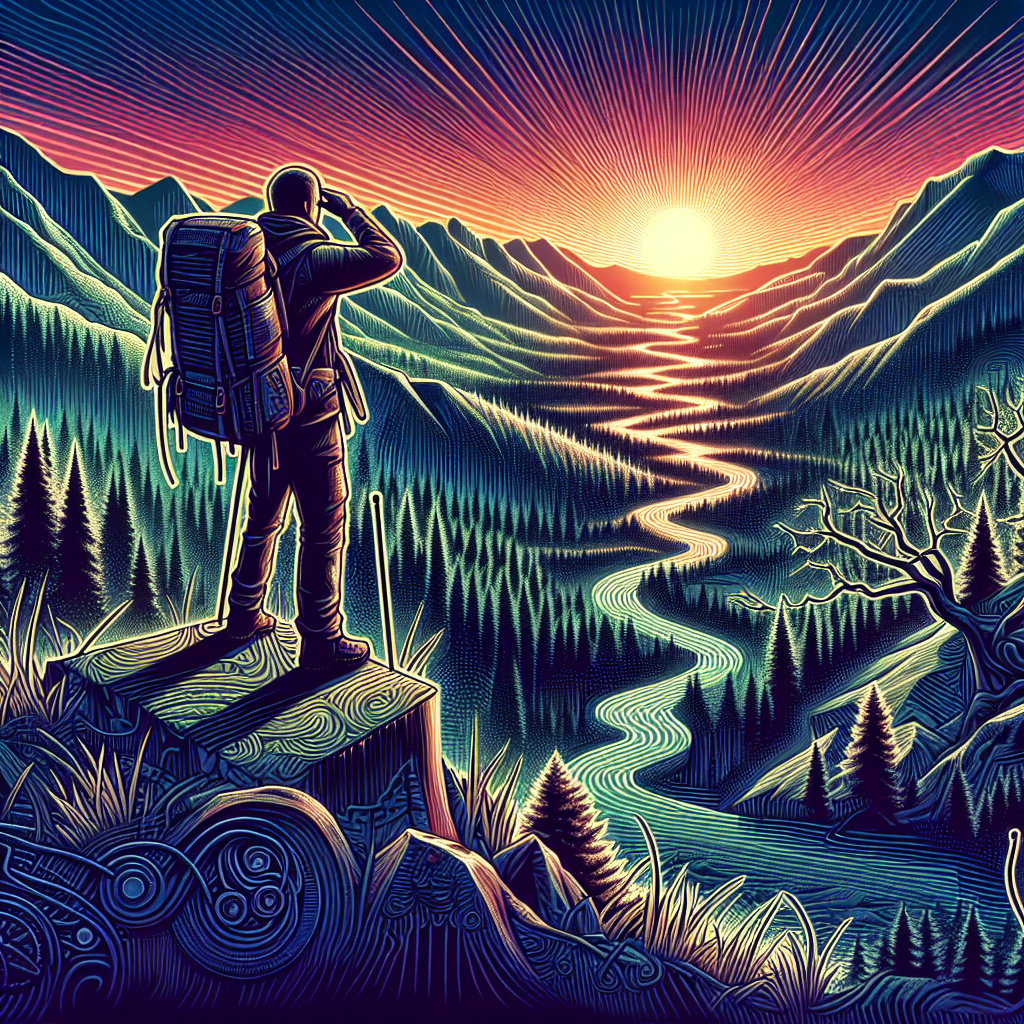

Navigating the wilderness is an essential skill that can elevate your outdoor adventures from mundane to remarkable. The Intersection of Adventure and Skill: A Deep Dive into Wilderness Navigation explores not only the techniques needed to traverse unmarked trails but also the invaluable life lessons that emerge during these journeys. Whether you’re planning a weekend camping trip, a multi-day backpacking expedition, or simply want to feel confident wandering in nature, mastering navigation can turn an uncertain outing into an enriching experience.
Why Wilderness Navigation Matters
Imagine you’re deep in a forest, surrounded by towering pines and the soft rustle of wildlife. You look up and realize that the sun is beginning to set, but your map seems foreign, and your compass doesn’t offer the guidance you hoped for. This scenario may sound intimidating, but it’s precisely why skills in wilderness navigation are crucial.
Understanding navigation isn’t just about finding your way; it’s about safeguarding your adventure. Having navigational prowess can mean the difference between enjoying the serenity of nature and facing unwanted blunders. Let’s explore how this skill intersects with adventure, through practical knowledge and stories that illustrate its importance.
Understanding the Basics of Wilderness Navigation
The Tools of the Trade
Before you set off, let’s discuss essential navigation tools. A map and compass are the traditional staples, but in today’s digital age, GPS devices and smartphone applications have also gained popularity.
-
Map: Always carry a topographic map that details the geographic features of the area you’ll be exploring. Familiarize yourself with the symbols and grid lines so you can easily identify your location and desired route.
-
Compass: A good-quality compass can be your best friend. Make sure to learn how to orient your map with the compass. Don’t worry—this skill can be mastered with practice!
-
GPS and Apps: In addition to traditional tools, efficient navigational apps can guide you. Just remember, technology can fail; always have a backup.
Practical Steps for Map and Compass Navigation
-
Plan Your Route: Review your map at home before heading out. Identify key waypoints, such as water sources, elevations, and terrain variations.
-
Orient the Map: Once you’re in the field, use your compass to align your map with true north. This will give you a realistic layout of your surroundings.
-
Take Bearings: Identify a landmark in the distance and take a bearing. Make note of this direction, and compare it with your planned route.
-
Regular Check-ins: Periodically check your location against your map to ensure you’re still on course. If you’re off track, recalibrate using your compass.
Anecdote: A Lesson on Trusting Your Instincts
On a solo hiking trip in the Sierras, I confidently believed I knew the path to a crystal-clear lake I had read about. Armed with my compass and a rough map, I set off, enthusiasm fending off the creeping fears of the unknown. As I walked, the landscape transformed from familiar trails to a confusing maze of trees and rocks.
After an hour of wandering aimlessly, doubt crept in. My instincts urged me to pause. Instead of pushing on, I took a deep breath and reviewed my map, aligning it with the geography around me. This simple act of recalibration allowed me to spot a familiar ridge. I then rerouted and made my way, learning that sometimes it’s about listening to your gut and making adjustments instead of charging ahead recklessly.
Common Pitfalls in Wilderness Navigation
Even seasoned adventurers can make mistakes. Understanding common pitfalls equips you to avoid them.
Over-reliance on Technology
Many trekkers become too reliant on GPS devices. While they provide excellent turn-by-turn navigation, technology can fail due to dead batteries or lack of signal. Imagine hiking in an area with no cell service and realizing your GPS is frozen. The lesson? Always carry a traditional map and compass, even if you have a GPS system.
Ignoring Environmental Cues
Just as important as your tools are your awareness of the environment. Weather patterns, sun positions, and even bird behaviors can assist in navigation. For example, if you know that moss grows predominantly on the north side of trees in the Northern Hemisphere, you can use this natural cue to help orient yourself.
Not Practicing Your Skills
Many enthusiasts acquire navigational tools but seldom practice using them. The wilderness can be unpredictable; mastering your skills before you need them in a critical moment is essential.
Anecdote: Navigational Mishaps Make Great Stories
Once, I found myself lost in the Appalachian Trail as the sun dipped below the horizon. Relying solely on my GPS, I meandered deeper into the woods, convinced that technology would save me. As darkness engulfed the forest, I realized I had pushed my reliance too far. Panic bubbled inside me until I recalled the survival training I had taken years prior. I slowed my breathing, lit my headlamp, and pulled out my map.
Using landmarks from my training, I managed to reorient myself and ultimately find my way back. I emerged not just safe, but richer for the experience—erroneous paths often lead to the most compelling stories.
The Role of Experience in Navigation
Building Your Skills Over Time
Mastering wilderness navigation is a journey, much like the trails you’ll explore. Start small by practicing in familiar terrain before venturing into the unknown. Gradually increase your challenges as your confidence grows.
Seek Out Courses
Consider enrolling in navigation courses or workshops. Experienced instructors can offer invaluable insights and teach practical exercises that will dramatically improve your skill set.
Anecdote: Embracing Learning Opportunities
During a backpacking trip to the Pacific Northwest, I joined a group of seasoned navigators for a weekend workshop. While I knew the basics, I was surprised by the intricacies they shared, including survival techniques like triangulation and natural navigation methods. Through their experiences and challenges, I learned that even experts continually refine their skills. That weekend ignited a passion for navigation, cementing my understanding that every adventure was a stepping stone in my life-long learning journey.
Key Takeaways: Embrace Your Adventure
As you set out into the wilderness, remember the core principles that intertwine adventure with skill. Equip yourself with the right tools, practice regularly, and above all, trust your instincts. Below are some key insights to take home:
- Familiarize yourself with both traditional tools and modern technology.
- Regularly practice your navigation skills in fun, low-stakes environments.
- Be aware of your surroundings; embrace the natural detectives within you.
- Learn from experiences—both your own and those of others.
Reader Questions Answered
What should I pack for effective wilderness navigation?
Always include a topographic map, compass, GPS device, and essential navigation apps on your smartphone. Don’t forget a pen for taking notes or marking points on your map!
How can I improve my compass skills?
Practice using a compass in a flat, open area before tackling rugged terrain. Learn to take bearings and navigate to specific waypoints.
What do I do if I get lost in the wilderness?
Stay calm first! Use your compass and map to retrace your steps. Find a clear landmark or high ground to get a better view of your surroundings.
FAQs
Can I rely solely on a GPS for navigation in the wilderness?
It’s not advisable. While GPS devices are handy, they can malfunction or run out of battery. Accompany your GPS with a map and compass for backup.
How do I know when to use a map versus a GPS?
Use a map for larger navigational decisions, such as planning your overall route. Use a GPS for detailed guidance during your hike, but don’t forget to check it regularly against the map.
Is it essential to take a navigation course before hiking?
While not mandatory, a navigation course can provide valuable skills and confidence. Learning from experienced instructors can make a significant difference.
Conclusion
At the intersection of adventure and skill lies the art of wilderness navigation, a blend of practical knowledge and invaluable experiences. Embark on your adventures armed with the tools and insights shared in this post. Remember, it’s not just about reaching your destination; it’s about the journey itself. Adventure awaits—navigate it wisely!
As you forge new paths into the wilderness, reflect on the lessons learned and share your stories with fellow outdoor enthusiasts. Happy exploring!