

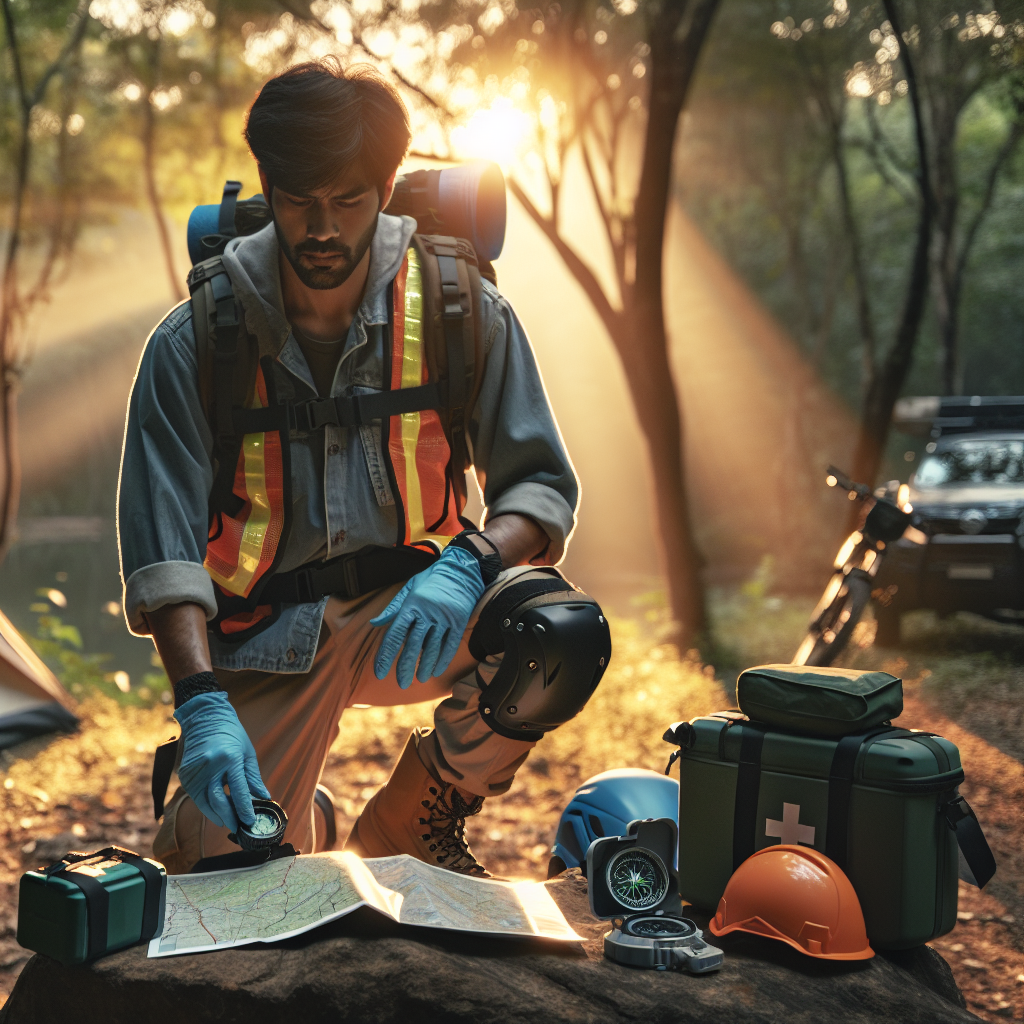

There’s something magical about the rustle of leaves beneath your boots and the crisp scent of pine in the air. Wilderness camping invites adventure, offering unparalleled beauty and an exhilarating escape from the everyday grind. However, amid all the excitement lies a crucial component of this experience: trail safety. How prepared are you for the challenges that nature may throw your way? Whatever your skill level, understanding the essentials of staying safe while camping in the wild is paramount.
Every outdoor enthusiast has a story—a moment that changed their perspective or ignited a newfound respect for nature. Mine was on a breezy June afternoon when I found myself on a secluded trail, surrounded by towering trees. What started as a serene hike soon turned into a lesson on wilderness safety that I would never forget. Let’s delve into crucial tips and personal anecdotes that illustrate how you can stay safe while embracing the wild.
Why Wilderness Camping Safety Matters
Wilderness camping isn’t merely a pleasurable pastime; it can quickly turn into a struggle for survival if you don’t prioritize safety. Nature is unpredictable, and preparation is your best ally. Knowing how to handle unforeseen challenges—be it sudden weather changes, wildlife encounters, or injuries—can significantly enhance your camping experience.
I recall my first solo hike at Henley National Park. The thrill of solitude and the fresh air was intoxicating until dark clouds rolled in unexpectedly. The downpour transformed the trail into a slippery slope, making it difficult to navigate. I had read about varying weather forecasts, but I failed to adjust my plans accordingly. Thankfully, I found a sheltered area to wait it out, reminding me that caution is just as vital as courage in the wild.
Essential Gear for Safety
Before embarking on your wilderness camping adventure, equip yourself with essential gear that can significantly enhance your safety levels.
Navigation Tools: Maps and Compasses
While today’s smartphones have GPS, they aren’t foolproof in remote areas. A detailed map of the region and a quality compass should be your reliable companions. I once ventured into the Rocky Mountains with only my phone and, after losing signal halfway through, realized how unprepared I truly was. After a few hours of backtracking, I finally stumbled upon a fellow hiker who helped recalibrate my route.
First-Aid Kit
A well-stocked first-aid kit can be a lifesaver. Basic supplies like antiseptics, bandages, and pain relievers are indispensable, but don’t forget additional items like a splint or emergency blanket. On one of my camping trips, a friend tripped and fell, scraping his leg significantly. Thankfully, I had packed a comprehensive kit that allowed us to treat his wounds right away, thus preventing any potential infection or complications.
Fire-Making Supplies
Fire is not just for warmth; it’s essential for cooking and signaling for help. A reliable fire starter can be a game-changer. Always carry waterproof matches or a flint. I learned this lesson the hard way on a cold night in the forests of Olympic National Park when my matches had gotten wet, and my food stayed uncooked. A spark kit would have saved the evening.
Understanding the Wilderness: Know Your Terrain
Before you hit the trails, take time to familiarize yourself with the area you intend to camp in. Understand the types of terrain you may encounter, including challenges like steep hills, dense forests, and if you are near water sources that could provide both hydration and hazards.
This awareness became critical for me during a trip to the Appalachian Trail. I encountered challenging rock formations that I wasn’t prepared for—not just physically, but mentally as well. Had I engaged in thorough preparation, I would have planned my hike to include easier sections before and after these obstacles, making for a safer experience.
Wildlife Encounters: Respect and Preparedness
While the beauty of nature often involves fascinating encounters with wildlife, understanding how to approach these moments is essential for safety. Always maintain a respectful distance from animals. When I was camping in Algonquin Provincial Park, we caught glimpses of a black bear rummaging through trash. It was exhilarating and terrifying. But because we had proactively learned to keep food stored securely and maintain a safe distance, our wildlife experience remained a spectacle rather than a crisis.
What to Do in Bear Country
If you’re in bear territory, educate yourself on bear safety. Carry bear spray, make noise on the trail, and avoid leaving food scraps that may attract them. One memorable hike with friends led to an unexpected bear sighting. A combination of our bear-safe practices and having a plan weighed out, helped us enjoy the encounter safely while keeping calm.
Weather Preparation: Stay One Step Ahead
Checking the weather forecast is crucial, but be prepared for swift changes that may occur once you’re on the trail. Always pack gear suitable for a range of weather conditions—this includes layers for warmth, waterproof jackets, and sun protection.
One memorable camping trip in the Sierra Nevada Mountains had us originally basking under the sun, only for the skies to turn dark within hours. My group had prepared for the worst; we huddled under our tarps, secured our tents, and waited out the rain, allowing us to preserve our gear and even enjoy the exhilaration of nature’s unpredictability.
Trail Etiquette and Communication
Being respectful of fellow campers enhances the experience for everyone on the trail. If you’re hiking in groups, establish clear communication signals and a plan for checking in.
On a trip with friends, we established a “Buddy System,” where we would check in with each other every few minutes. This system proved invaluable when one friend took a wrong turn, and our planned checkpoints allowed us to find him without any panic.
Key Takeaways for Trail Safety
- Preparation is Key: Always plan ahead, understand your terrain, and carry essential gear.
- Engage in Wildlife Awareness: Be knowledgeable about local wildlife, maintain a safe distance, and practice bear safety.
- Stay Weather-Wise: Prepare for changing weather conditions with appropriate gear.
- Communicate Effectively: Use communication strategies to enhance group safety.
Reader Questions Answered
Q: What should I pack for a wilderness camping trip?
A: Essential items to pack include a detailed map and compass, first-aid kit, fire-making supplies, plenty of water, food, and weather-appropriate clothing.
Q: How can I stay safe from wildlife on the trail?
A: Educate yourself on wildlife in the area, carry bear spray if applicable, store food properly, and make noise while hiking to avoid surprising animals.
Q: What are the signs I might be lost on the trail?
A: Disorientation, not recognizing landmarks, and repetitive thoughts about the surroundings may indicate you’re off-track. Stay calm and use navigational tools to retrace your steps.
FAQs
Q: Do I need a permit for wilderness camping?
A: It depends on the location. Many public lands and national parks require permits for camping.
Q: What’s the best way to purify water in the wild?
A: The best methods include boiling water for at least one minute or using a water filter or purification tablets.
Q: Can I build a fire anywhere?
A: No, always check the regulations regarding fires in your camping area, as specific spots are designated for fire use to prevent wildfires.
Embrace the wild, but do so with respect for the environment and a keen awareness of your own preparedness. Armed with the right knowledge and gear, you can build indelible memories while safely navigating the beauty of wilderness camping. So rally your friends, map out your next adventure, and remember—the wild is waiting for you!