


Navigating Wildlife Rehabilitation: Understanding Your Role and Responsibilities
In the vast tapestry of our natural world, encounters with orphaned or injured wildlife often elicit a strong desire to help. However, it’s crucial to understand the dynamics of wildlife rehabilitation, particularly when human intervention might do more harm than good.
The Reality of Wildlife Care
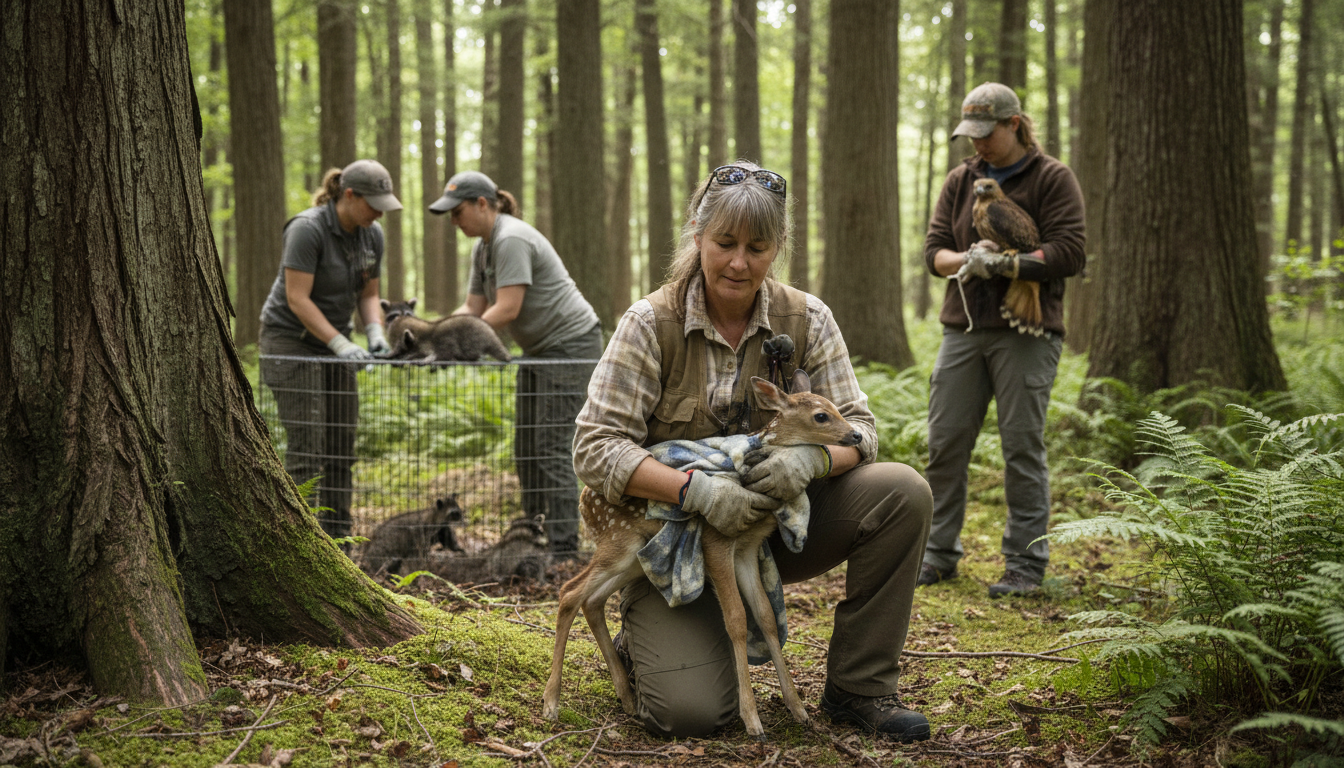
The Indiana Department of Natural Resources (DNR) does not directly assist with orphaned or injured wildlife. Instead, individuals are encouraged to reach out to permitted wildlife rehabilitators or respect the natural processes unfolding in the environment. Permitted rehabilitators are the frontline professionals who assess the situation and make informed decisions about the care of wildlife, emphasizing the ultimate goal: ensuring that animals can thrive once returned to their natural habitats.
To contact the DNR for guidance, call 317-232-4200 or email dfw@dnr.IN.gov. If you’re facing issues related to wildlife damage or safety, the DNR’s Living with Wildlife page serves as a critical resource.
What to Consider Before Acting
Many adults of wildlife species do not abandon their young. Often, what appears to be a neglected animal is simply a part of normal animal behavior—such as mothers foraging for food while their offspring remain hidden. The decision to intervene should not be taken lightly; here are some guiding questions to ask before taking action:
- Has adequate time passed without the presence of an adult? Some species are reclusive mothers, returning under the cover of dusk or dawn to care for their young.
- Does the animal truly require assistance? Most youngsters perceived as abandoned actually do not need human help.
- Did you observe the mother being killed? This is a clear indicator that intervention may be necessary.
- Are there visible signs of injury or illness? Indicators such as open wounds, excessive insects, respiratory issues, or diarrhea could necessitate expert care.
- Will your involvement ultimately help or hinder? The optimal survival rate for wildlife is achieved in the care of their mothers.
Moreover, it is illegal to keep wild animals without the appropriate permits. Even well-intentioned human interventions can lead to unforeseen negative consequences for wildlife.
Leave Fawns Be
A growing concern for Indiana’s deer population is the emergence of Chronic Wasting Disease (CWD), a contagious and fatal illness affecting white-tailed deer. The first confirmed case in Indiana was reported in April 2024. Fawns, often found alone as they instinctively hide while their mothers forage, are capable of spreading CWD. Thus, it’s crucial to leave them undisturbed to prevent further transmission of this disease.
What to Watch For:
- Fawns, typically sheltering silently for the first few weeks, can appear abandoned. Before intervening, confirm injury or orphan status—look for signs such as the absence of a mother for an extended period, observable injuries, or excessive insect activity on the fawn.
- Seek guidance from a permitted rehabilitator. If you suspect a fawn needs help, ensure that professional support is available before taking any action.
Why It Matters
Understanding the intricacies of wildlife rehabilitation has significant implications for conservationists, outdoor enthusiasts, and the broader ecosystem. Human interventions can inadvertently disrupt local wildlife populations, affect mating cycles, and increase disease spread. Embracing a mindset that prioritizes natural processes can empower communities to engage in conservation efforts without compromising wildlife health.
Field Insights: Pro Tips for Conservationists and Outdoor Enthusiasts
- Educate Yourself: Familiarize yourself with local wildlife species and their behaviors, enhancing your understanding of when intervention is necessary.
- Respect the Boundaries: Allow nature to run its course. Often, human intervention is unnecessary and potentially harmful.
- Utilize Resources: Use the DNR’s wildlife reporting tools and local wildlife rehabilitators for accurate guidance.
- Follow Protocol for Roadkill: If you encounter dead wildlife, understand that DNR resources do not cover roadkill collection. For state highways, contact the Indiana Department of Transportation; for local roads, touch base with local sanitation departments.
Handling Dead Wildlife with Care
The Orphaned & Injured Wildlife page is not intended for reporting roadkill or requesting the removal of deceased animals. For animals found on state or federal highways, the Indiana Department of Transportation should be contacted. On private property, wildlife control operators or personal removal (with safety precautions) are the appropriate courses of action. Gloves, double-bagging for disposal, and considering other disposal methods (such as burial or incineration) are recommended.
By approaching wildlife encounters with a mix of caution and respect for the natural world, we can contribute to healthier ecosystems and secure a brighter future for Indiana’s diverse animal populations. Remember: understanding your role is as crucial as the care you wish to provide.