

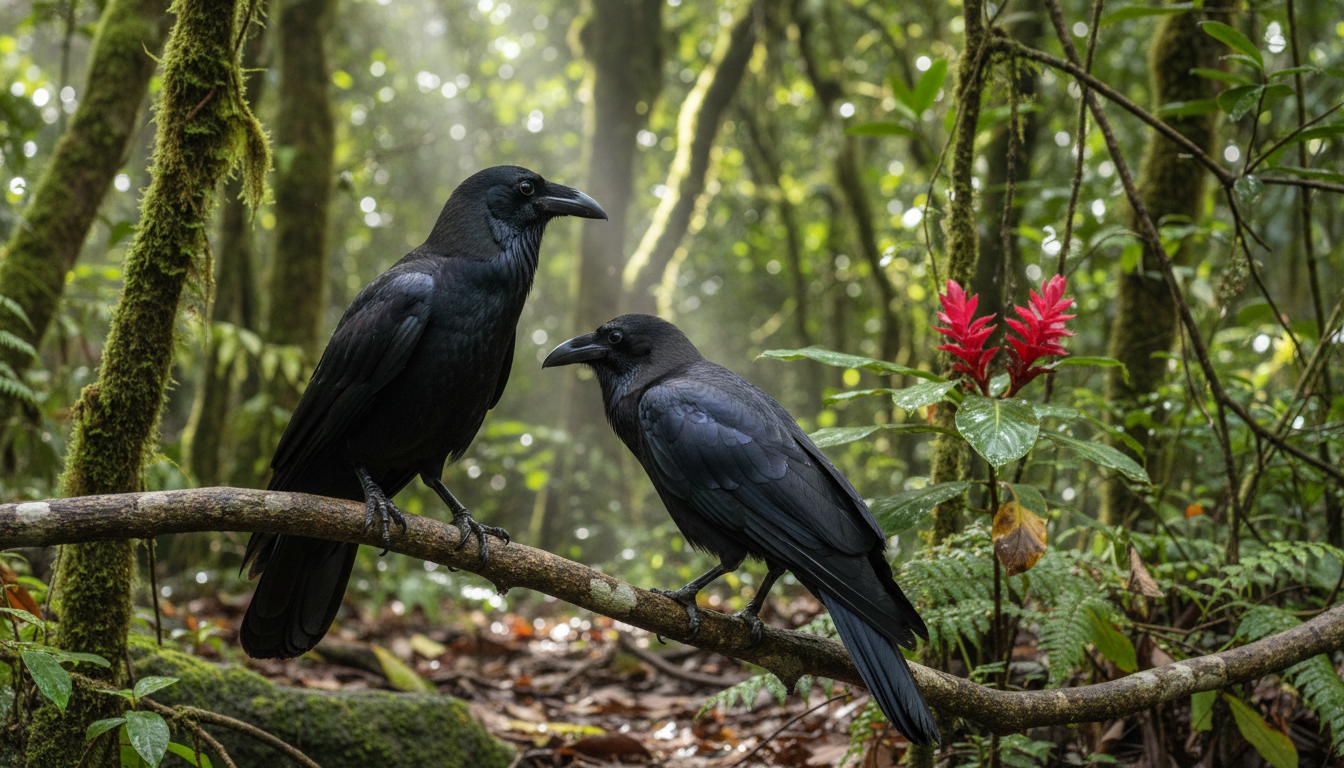

Two ʻAlalā Find New Homes in Maui’s Wilds: A Step Forward for Hawaiian Conservation
KĪPAHULU, Hawai‘i – A Significant Milestone for the ʻAlalā Recovery Effort
In a significant boost for conservationists and wildlife enthusiasts alike, two ʻalalā (Hawaiian crows) have been successfully added to the rehabilitated wild flock in the verdant forests of Maui. This ongoing project, which began with the release of five birds in November 2024, aims to increase the population of these critically endangered birds and reinforces the commitment to restoring Hawaii’s unique avian diversity.
Prior to the translocation of these new birds—a male and female—to the established field aviary, members of Maui’s manu ʻohana and critical project partners, including the San Diego Zoo Wildlife Alliance and the University of Hawai‘i, convened for a heartfelt send-off ceremony. The gathering, held at the Maui Forest Bird Recovery Project (MFBRP) campus in Olinda, was marked by a pule (blessing) led by Kekai Robinson from the Maui County Department of ʻŌiwi Resources. This emotional event not only celebrated the birds’ new journey but also reaffirmed the importance of integrating culture and connection to the land (ʻāina) in conservation efforts.
Dr. Hanna Mounce, MFBRP program director, reflected on the success of the original cohort, stating, “Witnessing the first five birds thrive in the forest over the past year has been extraordinary and instills hope for these new additions.”
The Importance of Timing and Social Dynamics
The timing of this latest release is critically strategic. With the initial cohort nearing sexual maturity, introducing younger birds fosters social cohesion—an essential component of their development. This younger group will spend their formative days together, foraging and honing their survival skills before the older birds begin to pair off and establish their territories.
Currently residing in the aviary—a safe and controlled environment—these two new ʻalalā are acclimatizing to the sights and sounds of their future wild habitat. They are becoming acquainted with supplemental feeder stations, which help bridge the nutritional gap until they can forage independently.
- Feeder Stations:
- Two manual feeder stations stocked with nutritious offerings such as protein, fruits, and vegetables.
- Automated feeders dispense food pellets at designated intervals.
- Additional feeders placed strategically in the wild are already in use by the initial five birds.
These feeding systems offer crucial support during the transition to self-sufficiency, ensuring that the developing birds remain rooted in a safe area where staff can monitor their health and safety.
Why It Matters
The successful integration of these juvenile ʻalalā into the wild has cascading implications for Hawaii’s ecosystems and outdoor recreation. As the population grows, the improved ecological balance could impact local plant life and other wildlife species. For hunters and hikers, this recovery effort revitalizes interest in native birdwatching experiences and can enhance local economies dependent on eco-tourism.
Furthermore, showcasing the success of these conservation efforts can catalyze funding and volunteerism, empowering communities to engage in preserving their natural heritage.
Field Insights: What to Watch For
If you’re keen to connect with this project or observe ʻalalā in their native environment, here are some pro-tips:
- Birdwatching: Bring binoculars and a local field guide to identify various bird species, including the fledgling ʻalalā.
- Educational Engagement: Look for local workshops or guided tours focused on Hawaiian wildlife conservation initiatives.
- Environmental Awareness: Support ongoing conservation efforts by volunteering or donating to organizations dedicated to habitat preservation.
As the current cohort of ʻalalā shows promising signs of adapting to their environment and exhibiting natural behaviors, hope flourishes for their future. Dr. Mounce encapsulates this sentiment: “Sustaining these birds in the wild for over a year is not just a milestone—it’s a vital sign that, through teamwork and dedication, we can reinforce native species in their rightful habitats.”
In the coming weeks, the new additions will enjoy their chance to explore the wild with the first cohort, heralding a new chapter in the endeavor to restore Hawaii’s incredible biodiversity.
Additional Resources:
For inquiries, contact:
Ryan Aguilar
Communications Specialist
Hawai‘i Department of Land and Natural Resources
Email: [email protected]