

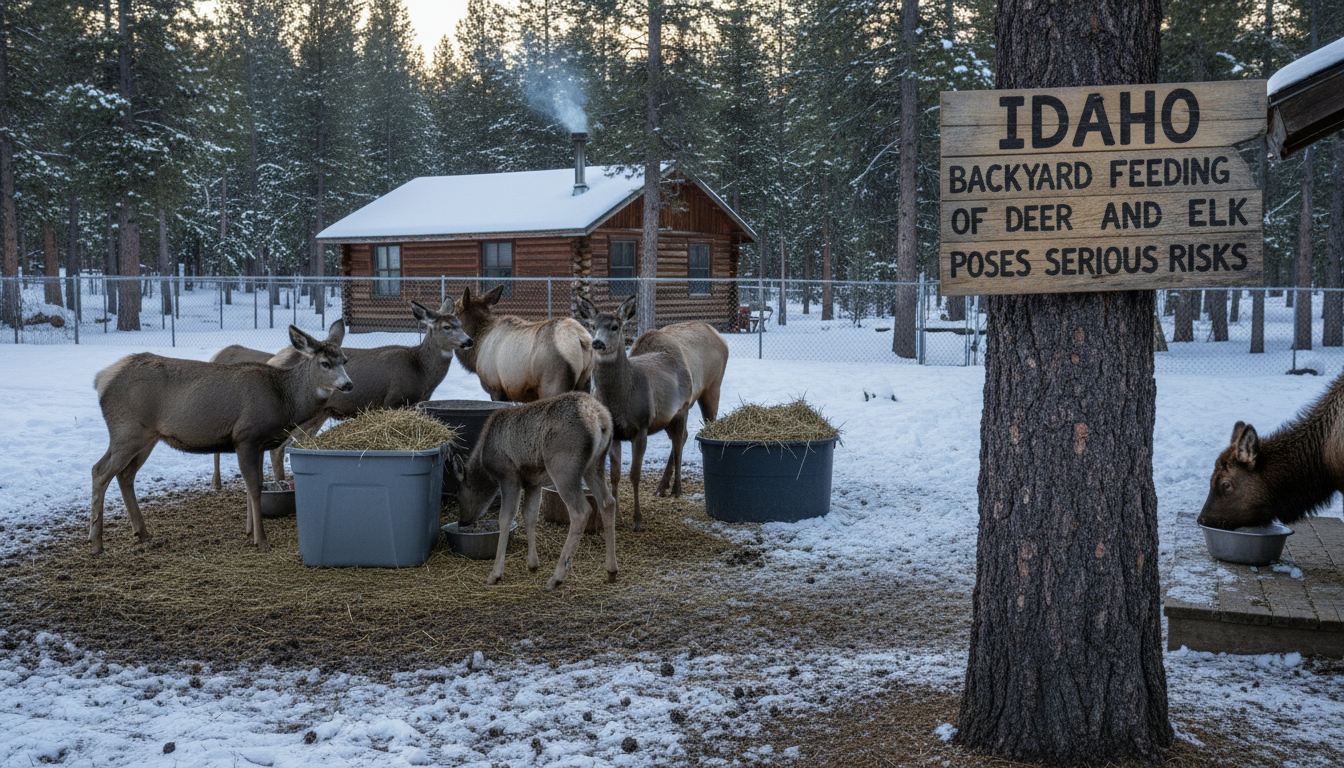

Urban Wildlife Encounters: The Rising Threat of Predators
As wildlife increasingly overlaps with human settlements, the lines separating our lives from those of large predators are thinning. In many Idaho towns, deer populations have surged, drawing in mountain lions, coyotes, and other predators eager for an easy meal. “Wherever deer concentrate, predators are quick to follow,” states wildlife biologist Berkley. “A few winters ago, we saw an alarming spike in mountain lion sightings, frequently captured by citizens’ doorbell cameras.”
The Urban Predator Problem
Once large predators discover a reliable food source, such as a burgeoning deer population in urban areas, it often takes little time for them to encroach upon human habitats. These animals don’t just inhabit the outskirts; they venture disturbingly close to homes, sometimes lurking right in backyards. “Any time we have mountain lions living in proximity to residential areas, public safety becomes our chief concern,” Berkley explains. “We become especially alarmed when these lions exhibit atypical behaviors, such as daytime activity or decreased fear of humans—traits that can lead to conflicts with domestic pets and residents alike.”
The Risks of Feeding Wildlife
While it may seem innocuous, feeding deer and elk presents serious risks, leading to dire consequences for both wildlife and people. The Idaho Department of Fish and Game firmly advises against the feeding of these animals, stating that in several local municipalities, it is illegal. Such actions can fundamentally alter natural behaviors, driving wildlife into closer contact with human habitats and increasing the likelihood of dangerous encounters.
“Maintaining the wild nature of our wildlife is a collective responsibility,” Berkley urges, reminding us that living alongside these species requires vigilance and respect for their natural behaviors.
The Cascade of Consequences
This plight extends into the northern regions of Idaho, from the Panhandle to Clearwater, where white-tailed deer, turkeys, and moose are frequently seen navigating residential areas. Homeowners often recount tales of wildlife wreaking havoc on gardens and ornamental landscaping. While many admire the beauty of these animals, the frequent encounters lead to heightened tensions among neighbors who wish to protect their investments from becoming wildlife fodder.
In response to this growing issue, some towns have turned to drastic measures. In recent years, Hayden Lake has resorted to trapping and euthanizing resident white-tailed deer to mitigate damage. Relocation efforts have proven largely ineffective; towns like Cascade halted their initiatives after discovering that the deer carried lice, a dangerous risk to wild populations if transferred.
Emergency Situations Only
The Idaho Department of Fish and Game rarely intervenes in deer populations except in extreme circumstances. Their policy allows for limited winter supplemental feeding only as a last resort during harsh winters when natural forage becomes scarce. Such measures are designed to balance the ecosystem while maintaining the integrity of wildlife behavior.
Why It Matters
The growing convergence of human habitats and wildlife has far-reaching implications for hunters, hikers, conservationists, and local economies. Increased predator sightings can lead to changes in outdoor recreational activities, deterring people from enjoying backcountry adventures. Negative human-wildlife interactions may provoke calls for more stringent wildlife management policies, which can impact the broader ecological landscape and hunting regulations.
Field Insights: Pro-Tips for Living with Wildlife
- Be Informed: Keep track of local wildlife reports; apps and community boards can help you stay updated on animal sightings.
- Secure Your Environment: Ensure that your garbage bins are animal-proof, and avoid leaving pet food outside. Secure fencing can deter deer from gardens.
- Report Unusual Behavior: If you encounter wildlife acting aggressively or unusually—especially during daylight hours—contact local wildlife authorities to report your observations.
As we navigate this intertwined existence with wildlife, we must recognize our role in preserving nature’s integrity while ensuring public safety. The more we learn about the behaviors and needs of our wild neighbors, the better equipped we are to coexist with them in harmony.