


Florida’s New Artificial Reef: The Sinking of the Borocho Marks a Milestone for Marine Conservation
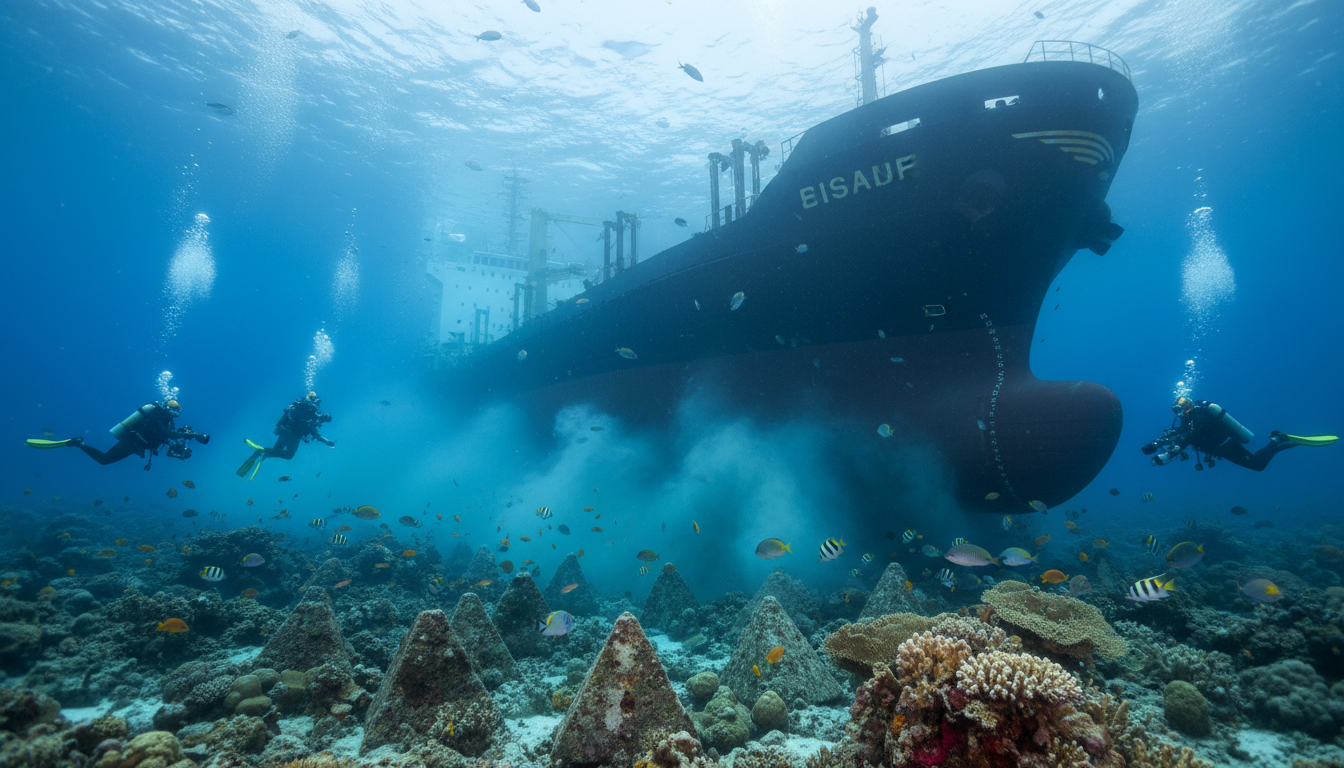
On November 18, a significant development in Florida’s marine conservation efforts unfolded as the Florida Fish and Wildlife Conservation Commission (FWC), in collaboration with Martin County Environmental Resources, successfully sank the derelict freight vessel Borocho to establish a new artificial reef. The 227-foot ship now lies nearly 200 feet below the surface, approximately nine miles offshore from the St. Lucie Inlet, poised to revitalize local marine ecosystems.
A Ship’s Decline and Its New Purpose
The Borocho had languished for over a decade in the Miami River, a sad testament to neglect after its previous owner allowed it to fall into a state of disrepair. Following a thorough investigation into its derelict status, the FWC enlisted the specialized services of Resolve Marine Group, Inc., to remediate and relocate the vessel. In an efficient operation, the removal team cut holes along the sides of the Borocho, allowing water to flood its hull; within one hour, the vessel was completely submerged, paving the way for its transformation into an artificial habitat.
Selecting artificial reefing as a disposal method not only offered financial advantages – it proved to be a more cost-effective option than traditional land-based disposal. This strategic move aligns with the ongoing mission of the FWC’s Derelict Vessel Program, which generates noteworthy savings while simultaneously creating long-term underwater habitat.
The successful installation of the Borocho has led to the establishment of the Boo McCulley Reef, a collaborative endeavor between FWC Law Enforcement, Martin County, and the FWC Artificial Reef Program. John “Boo” McCulley, through his company McCulley Marine, has dedicated over two decades to enhancing Florida’s reef systems, and this latest reef aims to bolster vital marine habitats, increase fish populations, and expand recreational opportunities for both anglers and divers.
Expanding the Fishing Corridor
The Boo McCulley Reef marks the southernmost point of a fishing corridor that stretches over 1.14 nautical miles, initially established in 2002 within the Sirotkin permitted area. This region serves as a hotspot for local recreational anglers targeting a variety of reef fish, including mackerel, amberjack, and snapper.
The FWC’s Derelict Vessel Removal Program, funded through the Florida Legislature, addresses the pressing issue of derelict vessels, which not only represent a public safety hazard but also pose risks to our natural resources. Leaving a vessel in disrepair is a criminal offense, and the ongoing removal efforts underscore the importance of environmental stewardship within Florida’s waterways.
Why It Matters
The introduction of the Boo McCulley Reef is more than just a disposal solution; it signifies a commitment to ecological sustainability and responsible conservation practices that benefit both local communities and marine ecosystems. By enhancing fish habitats, this new reef is expected to increase commercial and recreational fishing opportunities, stimulating the local economy through tourism and outdoor recreation.
Moreover, the reef’s establishment provides an essential platform for scientific research and monitoring, which could lead to better understanding of marine biodiversity and trends within Florida’s coastal ecosystems.
Field Insights: Pro-Tips for Reef Enthusiasts
- Dive Responsibly: If you’re planning to explore the Boo McCulley Reef, ensure you follow all local regulations and guidelines. Use designated vessels and routes to minimize your impact on surrounding habitats.
- Observe Marine Life: Bring a underwater camera to document the diversity of species. Appreciating marine life can enhance your diving experience and contribute to conservation awareness.
- Participate in Citizen Science: Engage with local conservation groups to participate in reef monitoring efforts. Your observations can provide valuable data that support the ongoing health and sustainability of artificial reefs.
For those interested in learning more about derelict vessels or seeking to understand the risk factors associated with them, resources are available at MyFWC.com/Boating under “Waterway Management” and “Derelict and At-Risk Vessels.”
The coordinates for the newly minted Boo McCulley Reef are latitude 27º 12.287’N and longitude 80º 00.396’W, resting at a depth of 180 feet.
For further details on Florida’s extensive artificial reef program, including a full list of coordinates, visit MyFWC.com/ArtificialReefs.
This recent accomplishment not only breathes life back into the waters of Martin County but also serves as a reminder of the ongoing need for proactive measures in conservation—a pledge we must uphold for future generations.