

Connecticut Takes Bold Steps Toward Sustainable Waste Management with $7.5 Million in Grants
A New Era in Waste Reduction Initiatives
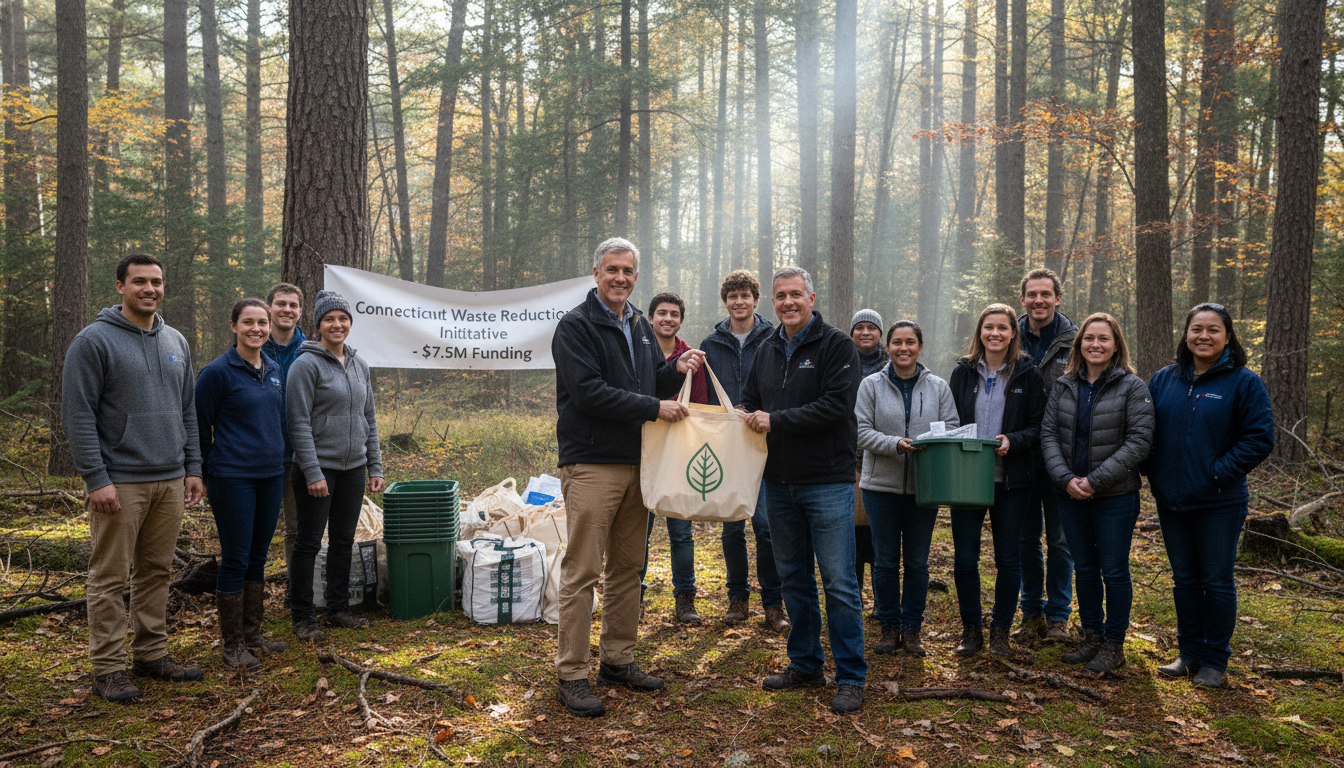
(HARTFORD, CT) — Today, Governor Ned Lamont and Katie Dykes, Commissioner of the Connecticut Department of Energy and Environmental Protection (DEEP), announced an ambitious new phase in state-driven waste management. The Lamont administration is investing $7.5 million in grants across 18 municipalities and regional organizations, aimed at fostering sustainable waste reduction practices.
This first-of-its-kind funding round marks the second phase of DEEP’s Sustainable Materials Management (SMM) Grant Program, which has already generated significant attention since its launch in April. With a focus on multifaceted waste reduction and diversion initiatives, the grants reflect an urgent response to rising waste disposal costs that continue to burden communities across Connecticut.
“In a world where our landfills are reaching capacity, we must innovate,” Governor Lamont stated. “These grants will empower municipalities to take charge of their waste management strategies, enabling smarter and more sustainable approaches to disposal.”
Tackling Connecticut’s Waste Crisis Head-On
Connecticut is in the grip of a mounting waste management crisis. With the recent closure of the Materials Innovation and Recycling Authority (MIRA), localities are facing limited disposal alternatives and escalating reliance on out-of-state landfills. This puts considerable strain on both taxpayers and the environment.
“Self-sufficiency in waste management isn’t just a lofty goal; it’s essential for securing reliable waste systems and controlling tipping fees,” Commissioner Dykes emphasized. “With the support of these grants, municipalities will be equipped to explore innovative strategies that align with their unique challenges.”
The SMM Grant Program is designed as a lifeline for municipalities and regional entities, offering funds to catalyze a diverse range of initiatives. From implementing unit-based pricing systems to enhancing food scrap collection efforts, these grants aim to build effective local waste management frameworks.
Grant Recipients and Project Highlights
Here’s a look at some of the key entities awarded grants in this round, along with their innovative projects:
- Capitol Region Council of Governments/Central Connecticut Solid Waste Authority: $440,300 for a regional food scrap collection program.
- New Haven: $2,989,257 to establish a curbside unit-based pricing and food scraps co-collection system.
- Housatonic Resources Recovery Authority: $1,542,527 focused on deploying food scrap collection units and expanding composting facilities across multiple towns.
Collectively, these initiatives are expected to yield significant environmental and financial benefits. The first round of the SMM program alone resulted in over 1,000 tons of waste diverted, paving the way for considerable savings amidst rising disposal costs.
Why It Matters
The implications of these investments extend beyond mere fiscal savings. For outdoor enthusiasts—hunters, hikers, and conservationists alike—this program could lead to healthier ecosystems and cleaner parks. Enhanced waste management practices will protect our natural resources, ensuring that wildlife habitats remain intact and outdoor spaces accessible and appealing.
Long-term, the ripple effects of successful diversion strategies could stimulate local economies by creating jobs in recycling and composting industries, ensuring a robust framework for sustainable tourism tied to Connecticut’s beautiful natural landscapes.
Field Insights: Pro-Tips for Outdoorsmen and Conservationists
As Connecticut takes bold steps toward sustainable waste management, here are some ways you can contribute and make the most of these developments:
- Stay Informed: Follow updates on local waste reduction initiatives via DEEP’s social media channels to learn how you can participate.
- Participate in Local Programs: Look for local food scrap collection and recycling programs in your community. Engaging in these initiatives helps lessen the burden on landfills while enriching local soils.
- Advocate for Sustainable Practices: Share your knowledge about waste reduction practices within your outdoor communities. The more people understand the benefits, the easier it is to collectively implement sustainable solutions.
In conclusion, as Connecticut traverses this crucial juncture in waste management, the ongoing collaboration between state agencies and municipalities signals a commitment to protecting the environment while fostering sustainable economic growth. The visionary actions today will pave the way for a cleaner, more resilient state tomorrow.
For more information, visit DEEP’s communications page or connect with them on social media to stay updated on local conservation efforts.
Twitter: @CTDEEPNews
Facebook: DEEP on Facebook
Contact:
DEEP Communications
DEEP.communications@ct.gov
860-424-3110