

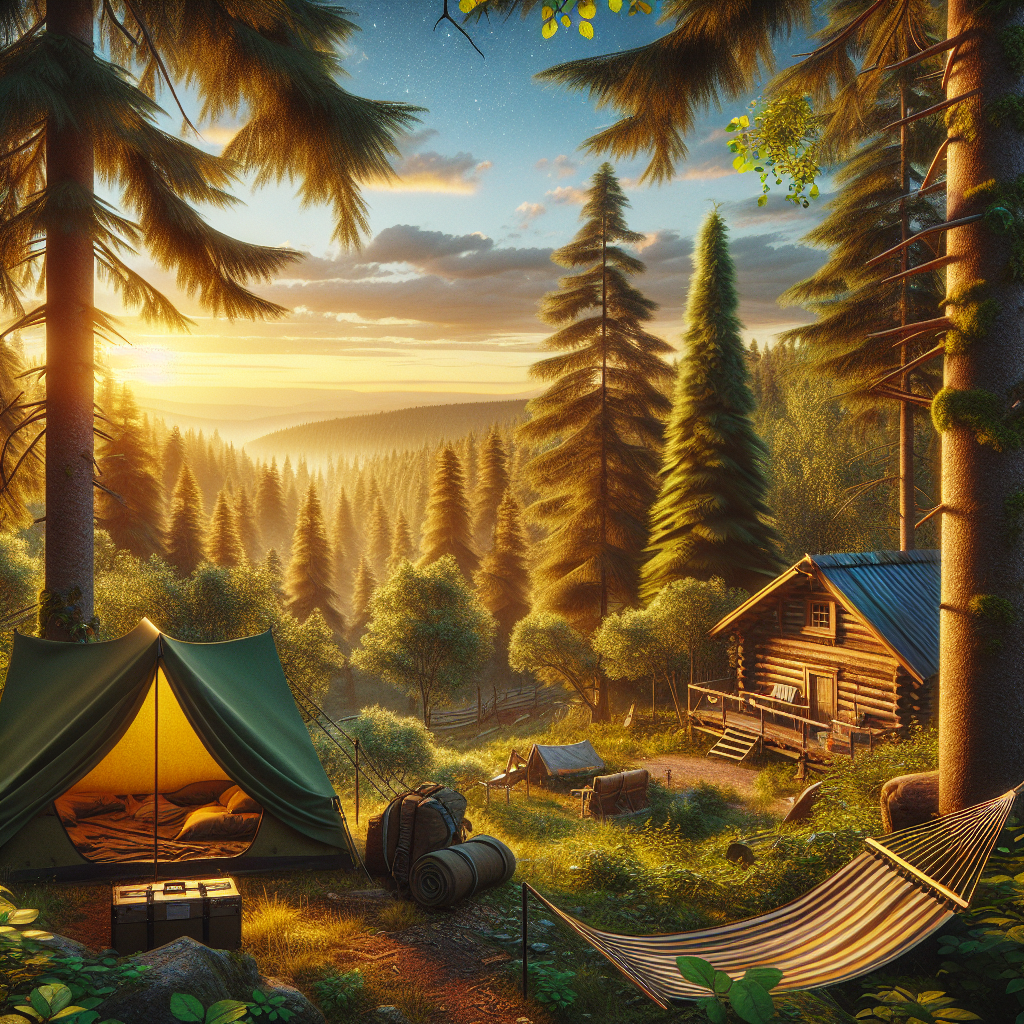

Ever find yourself yearning for fresh air, starry skies, and the crackling sound of a campfire? Camping under canvas is a delightful experience, where nature envelops you in comfort, thrill, and the occasional challenge. But as an outdoor enthusiast, one crucial decision awaits you: will you set up a tent, sway in a hammock, or cozy up in a cabin? Each option has its unique charm and functionality, and making the right choice can elevate your wilderness camping experience.
Picture this: You’re nestled by a tranquil lake, the setting sun reflecting off the water, and you realize your shelter choice will profoundly impact your trip’s memories. How do you decide which option offers the right blend of comfort, convenience, and adventure? In this guide, we’ll delve into the ins and outs of choosing the perfect camping setup, enriched with personal anecdotes and tried-and-true advice tailored for every outdoor aficionado.
The Allure of the Wilderness
Camping is more than just a temporary escape; it’s an opportunity to reconnect with nature, friends, and even yourself. While deciding between tents, hammocks, and cabins, consider not just practicality, but also how each will enrich your outdoor experience. Reflecting on my time camping in the Smoky Mountains, I vividly recall the magic of waking up to a chorus of birds and the soft rustle of leaves. No matter your choice, the wilderness has a way of reminding us to appreciate life’s simple pleasures.
The Tent Experience: Versatility Meets Comfort
Why Choose a Tent?
Tents are the classic camping choice, offering a blend of comfort and shelter that can accommodate various weather conditions. They come in different shapes, sizes, and materials, making them adaptable to family trips or solo adventures.
Imagine a cool summer evening, gathered around a campfire with friends, sharing stories under the stars. I remember the first time I set up my two-person tent by a shimmering lake in northern Michigan; the sound of loons calling in the distance added to the ambiance. Tents are not only easy to transport but provide a sense of privacy in the wilderness.
Essential Gear for Tent Camping
- Tent Type: Choose from dome tents for stability, or backpacking tents for lightweight convenience.
- Footprint: A ground tarp protects your tent’s bottom and adds a layer of cushioning against the ground.
- Sleep System: Invest in a high-quality sleeping bag and sleeping pad. A great night’s sleep is essential for maximizing adventure during the day.
- Lighting: Headlamps and LED lanterns provide illumination and a cozy atmosphere.
The Hammock Adventure: Lightweight and Free-Spirited
Choosing a Hammock
Hammock camping offers a uniquely liberating experience, perfect for those looking to travel light and stay connected with nature. Picture yourself gently swaying between two trees, the soft sounds of nature lulling you to sleep as the breeze whispers by.
A few years ago, I embarked on a solo trip along the Appalachian Trail, and I remember how liberating it felt to set up my hammock between two sturdy trees every evening. With the stars above and the mountains cradling me, my worries felt miles away.
Gear Essentials for Hammock Camping
- Hammock Varieties: Look for double-layered hammocks with a rainfly for added weather protection.
- Straps: Use tree-friendly straps to avoid harming the bark of trees.
- Underquilt or Sleeping Bag: To insulate yourself from the cold air beneath your hammock, especially in cooler temperatures.
- Bug Netting: Essential to keep pesky critters at bay during those warm summer nights.
The Cabin Retreat: Comfort in the Wilderness
When to Choose a Cabin
Cabins provide a ready-made shelter with many of the comforts of home. They’re ideal for families or larger groups seeking a cozy base while exploring the wilderness. Imagine spending a rainy afternoon cozied up with a book by the fire, recounting adventures from the day.
My first cabin experience was a family getaway to the White Mountains in New Hampshire. We enjoyed the beautiful surroundings while taking advantage of the cabin’s amenities. Cooking together on a stormy evening while sharing laughs and stories made it an unforgettable experience.
Key Considerations for Cabin Camping
- Amenities: Look for cabins that offer electric sockets, kitchens, and bathrooms. They can save you hassle and provide comfort after a long day of exploring.
- Location: Choose a cabin close to popular hiking trails for easy access to adventure.
- Seasonality: Consider whether the cabin is available year-round and under what conditions. Some may require preparation for winter months.
The Right Choice: Factors to Consider
Consider Your Trip Duration and Group Size
If you’re embarking on a multi-day excursion with a family or a large group, cabins may provide the best comfort, but if you’re going solo or with one or two friends, tents or hammocks might allow for easier transport and setup.
Assess Your Comfort with Nature
If sleeping under the stars sounds appealing, hampered only by a layer of fabric, a tent or hammock might suit your adventurous spirit. However, if you cherish comfort and convenience, cabins can provide an ideal haven.
Wrap-Up: Forge Your Wilderness Path
Ultimately, the choice between tents, hammocks, and cabins hinges on your personal preferences and outdoor experience. Each offers unique adventures, connections with nature, and stories waiting to be told. I encourage you to venture out, try different setups, and find what resonates with your spirit of adventure.
Key Takeaways:
- Tents provide versatile shelter, ideal for various conditions and experiences.
- Hammocks offer a lightweight, immersive connection with nature, perfect for lighter packing.
- Cabins deliver comfort and convenience, great for families or those seeking a more homey atmosphere.
Embark on your next wilderness camping journey, knowing there’s no single answer, only the right choice for your heart.
Reader Questions Answered
1. What’s the best type of tent for beginners?
Look for a simple dome tent, which is easy to set up and provides good stability in various weather conditions. A four-season tent is ideal for more adventurous locations, while a three-season tent works well for summer camping.
2. Is hammock camping safe in bad weather?
Hammocks can be safe in bad weather if properly equipped with a rainfly and insulated underneath. Always check the weather before your trip and set up your hammock wisely to avoid exposure to wind and rain.
3. Can you camp in a hammock year-round?
Yes, but you should ensure you have appropriate insulation, like an underquilt, for colder months. Dressing in layers is also critical to stay warm and comfortable.
FAQs
1. What is the best material for tent fabric?
Look for tents made of ripstop nylon or polyester, which offer durability and waterproof capabilities.
2. How do you secure a hammock without damaging trees?
Use tree straps that are wide and specifically designed to minimize harm to tree bark.
3. How do I choose the right spot for my tent or hammock?
Always look for flat, dry ground with good drainage for tents; for hammocks, ensure your trees are healthy and strong with enough distance between them to allow for safe hanging.
Get ready to pitch your shelter and create unforgettable memories in the great outdoors!