

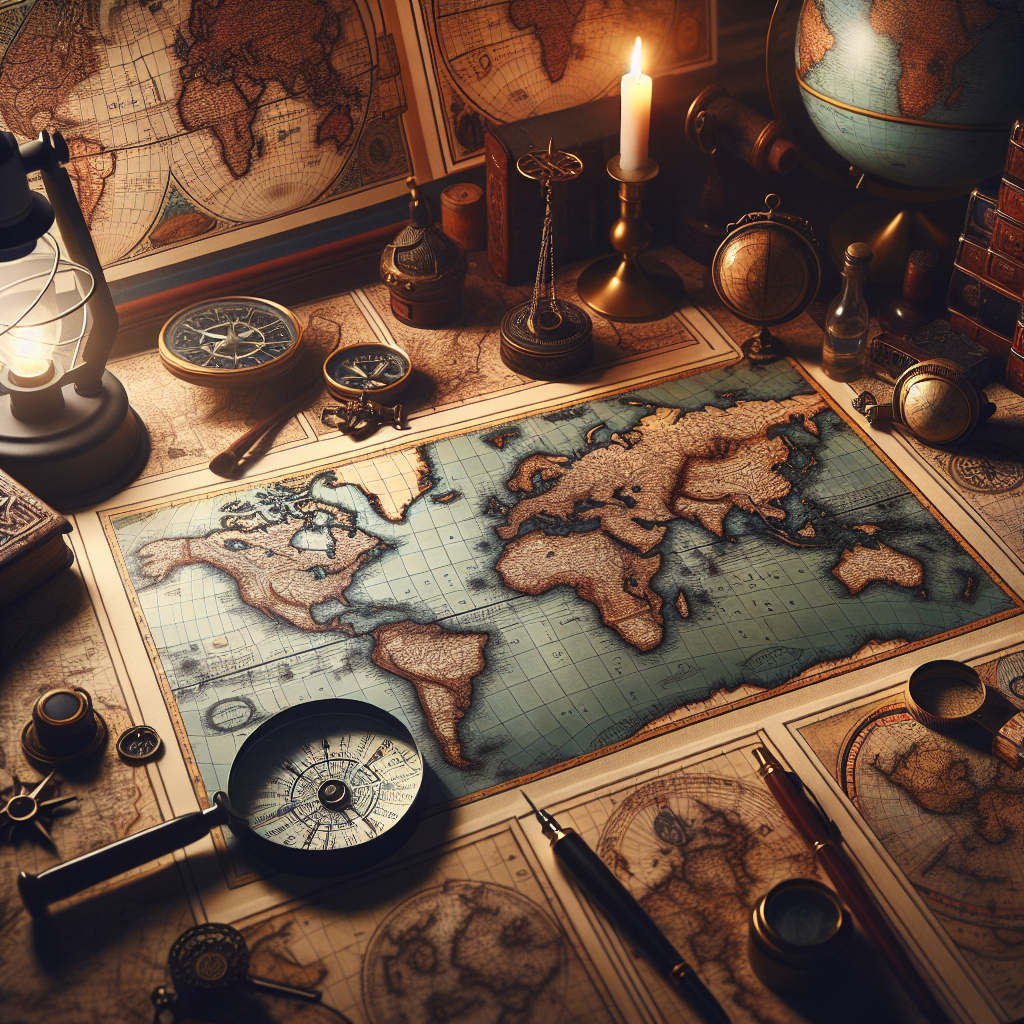

In a world dominated by digital technology, the traditional skill of map reading is often overlooked. Yet, it remains an essential tool for every outdoor enthusiast. Whether you’re trekking through the rugged mountains, navigating dense forests, or sailing across vast waters, mastering the art of map reading is crucial for your safety and success. In this post, we’ll delve deep into the techniques of map reading, enriched with personal anecdotes, actionable steps, and a sprinkle of adventure.
Why Map Reading Matters: The Foundation of Outdoor Navigation
Imagine standing on the peak of a majestic mountain, the sun setting on the horizon, its rays illuminating the sprawling valleys below. The view is nothing short of breathtaking, but wait—how did you get there? The answer lies in mastering the art of map reading.
Proper map reading skills give you a sense of direction and confidence while outdoors. They help you avoid getting lost, manage your time effectively, and ensure a safe return home. In my early hiking days, I remember a particularly daunting three-day expedition in the White Mountains of New Hampshire. I relied too heavily on my GPS, which ultimately failed me. If only I had truly understood my topographical map, I could have easily found my way instead of wandering lost for an extra hour!
Understanding Different Types of Maps
To navigate effectively, you should first be familiar with the different types of maps available.
Topographical Maps
Topographical maps depict physical terrain and include elements such as elevation contour lines. These maps are a favorite among hikers and outdoor enthusiasts.
Pro Tip: When I first attempted to conquer Mount Rainier, I learned the hard way that elevation changes can impact hiking difficulty significantly. Understanding contour lines allowed me to prepare better and succeed on my journey.
Road Maps
These are more familiar DIY navigation tools but can be useful in rural settings where trails intersect with roads.
Nautical Charts
If you’re venturing onto the water, nautical charts will guide your route, showing water depths, hazards, and navigation markers.
Tools for Successful Map Reading
While the map itself is vital, it’s not the only tool you’ll need for effective navigation.
Compass
A traditional compass is indispensable. It allows you to determine your heading and orient your map.
Memory Lane: I still remember the day my compass saved my group from an unforeseen storm in the Cascades. By using our compass alongside the map, we redirected our route to safety, avoiding dangerous conditions.
GPS Devices and Smartphone Apps
While these tools can complement your skills, they should never replace fundamental map reading techniques. They’re handy for two reasons: they can provide real-time location, and they can enhance your confidence on the trail.
How to Read a Map
Now that we have our tools, let’s break down how to read a map effectively.
Orienting the Map
The first step is to orient your map. To do this, align it with the landscape. Place the map flat and hold your compass on top. Rotate the map until the north on your compass aligns with the north on your map.
Identifying Key Features
Look for prominent landmarks like rivers, mountains, and trails. Mark these features directly on your map; this will serve as visual cues when navigating.
Anecdote Alert: On a camping trip to the Appalachian Trail, I overlooked a crucial river that wasn’t marked clearly, causing hours of wandering. Understanding how to identify maps’ features could have saved us time and unnecessary worry.
Using Scale and Distance
Every map has a scaling system that indicates distances. Understanding this scale will help you estimate how long your journey will take.
Quick Tip: When I trekked the John Muir Trail, carefully calculating distances using the map’s scale was vital. It helped us plan our water stops and camp locations effectively.
Common Mistakes in Map Reading
Even seasoned enthusiasts can make mistakes. Here’s a rundown of common pitfalls.
Over-Reliance on Technology
Don’t rely solely on GPS systems. Battery failure or a lack of service can leave you stranded.
Ignoring the Terrain
Always consider the terrain’s nature when plotting your route. A seemingly straight line on the map can translate to a difficult climb in reality.
Failing to Practice
Take time to practice your map-reading skills during short hikes before embarking on longer treks. Practice makes perfect!
Wrap-Up: Key Takeaways for Mastering Map Reading
Mastering the art of map reading transforms your outdoor experiences, ensuring your safety and enriching your adventures. Remember:
- Familiarize yourself with different types of maps.
- Always carry a compass and a backup device.
- Practice reading maps regularly.
- Be aware of your surroundings and avoid over-reliance on technology.
Now, it’s time for you to put these skills to the test! Grab your map, choose a trail, and embark on a thrilling adventure full of exploration and discovery.
Reader Questions Answered
What Should I Look for in a Good Map?
Look for clarity, detailed features, and the appropriate level of elevation data, especially for hiking or rugged regions.
How Do I Choose the Right Compass?
Select a compass that’s durable, with a clear dial and a baseplate for map reading. Make sure it also has a working needle and is waterproof.
Can I Rely on Smartphone GPS Apps?
While they are useful, do not rely solely on smartphone GPS apps. Always carry a paper map and compass as a backup.
FAQs
What Are the Essential Items for Navigation?
A durable map, compass, GPS device (if desired), and a notepad for marking off features.
How Can I Improve My Map Reading Skills Fast?
Practice before heading out. Study maps, practice orienting them in your home, and consider joining a workshop or class focusing on navigation.
Is Map Reading Still Relevant Today?
Absolutely! Map reading skills are essential for safety, especially in remote areas where technology may fail.
By mastering these skills, you will gain not only the ability to navigate effectively but also the confidence to explore the great outdoors with a spirit of adventure. Happy navigating!