

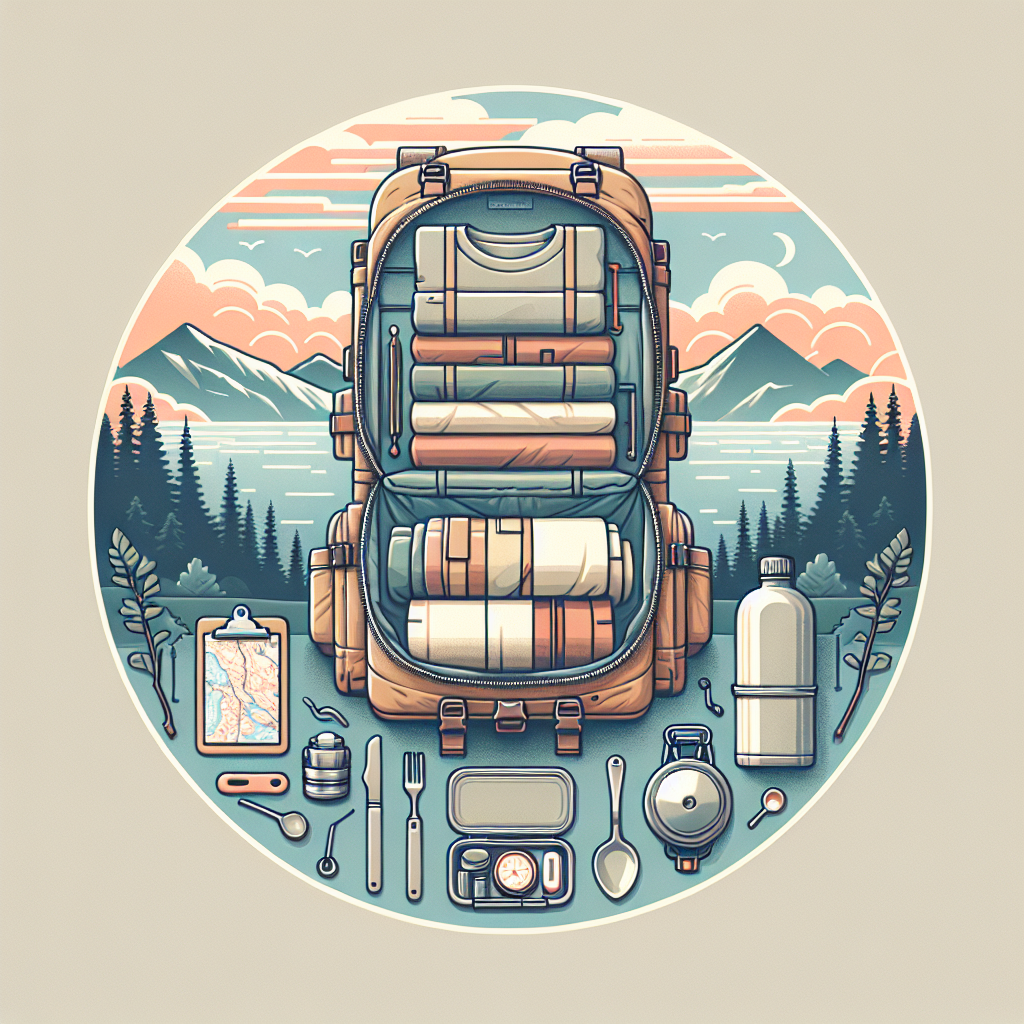

Ever found yourself staring at a mountain of gear, contemplating if it all could possibly fit into your trusty backpack? The sheer weight of it all—both physically and mentally—can be daunting. As outdoor enthusiasts, we often dream of hitting the trails with nothing but the essentials, embracing the beauty around us instead of being weighed down by our gear. But how do we go about packing light for an adventure?
Packing light isn’t merely about slinging on a smaller backpack; it’s about adopting a minimalist mindset that celebrates freedom and spontaneity. Picture yourself on a sunlit trail, the wind whistling through the trees, with nothing more than your essentials strapped to your back. This thrilling simplicity is within reach—and I’m here to guide you there.
In this post, we’ll dive into the nitty-gritty of minimalist backpacking. From crucial packing strategies to effective gear choices, we’ll explore how to shed the unnecessary weight and enrich your outdoor experience. Whether you’re a seasoned backpacker or just starting, pack your sense of adventure, and let’s get started!
Embracing Minimalism: Why It Matters for Backpacking
Before we dig deep into packing techniques, let’s reflect on the philosophy of minimalism. Imagine a time when I attempted a week-long trip with a monster backpack filled to the brim, inspired by the belief that I needed everything ‘just in case.’ By day three, I found myself exhausted—not just from the hike, but from lugging around what felt like an anchor.
Minimalism, on the other hand, invites us to focus our energy and attention on what truly matters: the journey itself. We’ll explore how to prioritize items, allowing us to embrace the freedom of movement, clarity of mind, and a more immersive nature experience.
Essential Gear for Minimalist Backpacking
Choosing the Right Backpack
The first step in your quest to pack light is selecting the perfect backpack. Ideally, opt for a pack that balances size and weight without sacrificing comfort. For most minimalist travelers, a 50-60L pack suffices for longer trips, but if you can manage with less, go for it!
A personal anecdote: I once ventured out with a sleek 45L pack, allowing me to fully experience the magic of a remote forest trail. The lighter load liberated me, and I was able to hike further and faster than I ever had before. Choosing the right fit can make all the difference in your comfort level over miles of trail.
Packing the Essentials
With your backpack in hand, it’s time to fill it with essentials. Here’s a categorized breakdown of what you should consider:
Shelter and Sleeping Gear
- Tent or Hammock: Lightweight, durable options like a one-person tent or compact hammock save space and weight.
- Sleeping Bag: Opt for a compressible, lightweight sleeping bag rated for the temperatures you’ll encounter.
- Sleeping Pad: A minimalist inflatable pad can provide comfort without taking up much room.
Cooking and Eating
- Stove and Fuel: A compact, portable stove with minimal fuel can be crucial for warmth and food prep.
- Mess Kit: Look for collapsible or lightweight sets that include a pot, pan, and utensils. Opt for multi-functional tools whenever possible.
Clothing
Quality beats quantity when it comes to clothing. Choose quick-drying, lightweight, and versatile pieces that work in layers. My favorite base layer was a simple, breathable shirt that adapted from scorching afternoons to cool nights without ever feeling bulky.
Keep an eye on dual-purpose items: a towel that can also serve as a blanket, or pants that unzip into shorts.
Personal Items and First Aid
As much as we want to pack light, safety is paramount. Always carry a first aid kit tailored to your group’s needs. Include a multi-tool, fire-starting gear, and a water purification system. These small items may only add a fraction of a pound but can be invaluable in emergencies.
Strategic Packing Techniques
The “Load-Low” Principle
When packing your gear, the distribution of weight is crucial. Place heavier items closer to your back and lower in the pack. This strategy improves your center of gravity, enabling better stability on uneven terrain. I vividly remember a trip where I failed to adhere to this principle; after spilling my snacks halfway up a steep ascent, I learned my lesson—proper packing matters!
Stuff Sacks and Compression Bags
Using stuff sacks and compression bags can be a game-changer for maximizing space in your backpack. It not only organizes your gear but makes packing up quick and hassle-free. Keep similar items together—food in one sack, clothes in another—and you’ll streamline your journey considerably.
Roll vs. Fold
Consider rolling your clothes instead of folding them. This method not only saves space but also prevents wrinkles, allowing you to minimize overall bulk. On one memorable hike, a fellow traveler shared this tip—and I’ve never looked back!
Adapting to the Journey: Flexibility and Adaptation
Packing light entails a mindset shift: be willing to adapt as needed. Weather can change, plans can shift, and you might discover new opportunities along the way. Being tied to a rigid packing list may detract from the spirit of adventure.
Once, during a summit hike in unexpected rain, I realized that my rain gear was flimsy and I hadn’t packed a warming layer. That day taught me the importance of adaptability—often, it’s the unplanned challenges that turn into unforgettable experiences.
Key Takeaways for Packing Light
As we close this exploration of minimalist backpacking, let’s quickly recap the essential strategies for packing light:
- Choose the Right Backpack: Your pack should fit comfortably and match your trip needs.
- Prioritize Essentials: Focus on versatile gear that serves multiple purposes.
- Master Packing Techniques: Utilize compression, strategic weight distribution, and flexible packing methods.
- Embrace Adaptability: Stay open to change, allowing your adventure to unfold naturally.
Reader Questions Answered
What should I consider when choosing a backpack?
Look for comfort, capacity, and weight. Make sure to choose one that fits well and has features beneficial for your specific hiking style.
How can I minimize the weight of clothing?
Choose lightweight, quick-drying clothes that can be layered. Aim for versatile items that can serve multiple functions to cut down on overall bulk.
Why is packing light so important for hiking?
Packing light enhances mobility, reduces fatigue, and allows you to navigate a wide variety of terrains more comfortably, ultimately enriching your outdoor experience.
FAQs
What are some recommended lightweight gear brands?
Look into brands like Osprey, Big Agnes, and Sea to Summit for their excellent reputation in making lightweight gear that endures the elements.
How do I handle food when packing lighter?
Opt for dehydrated or lightweight meals that take up less space and reduce cooking time. Combine snacks that provide dense energy, like nuts or energy bars.
Can I realistically still pack light with my camera gear?
Yes! Consider lightweight camera solutions such as mirrorless systems or smartphones with good cameras. Focus on bringing only necessary lenses or accessories for the shots you hope to capture.
As we conclude, I encourage you to take these tips and my personal anecdotes to heart. The freedom and exhilaration of minimalist backpacking await! So grab your backpack, embrace the wild, and embark on your next adventure with confidence.