

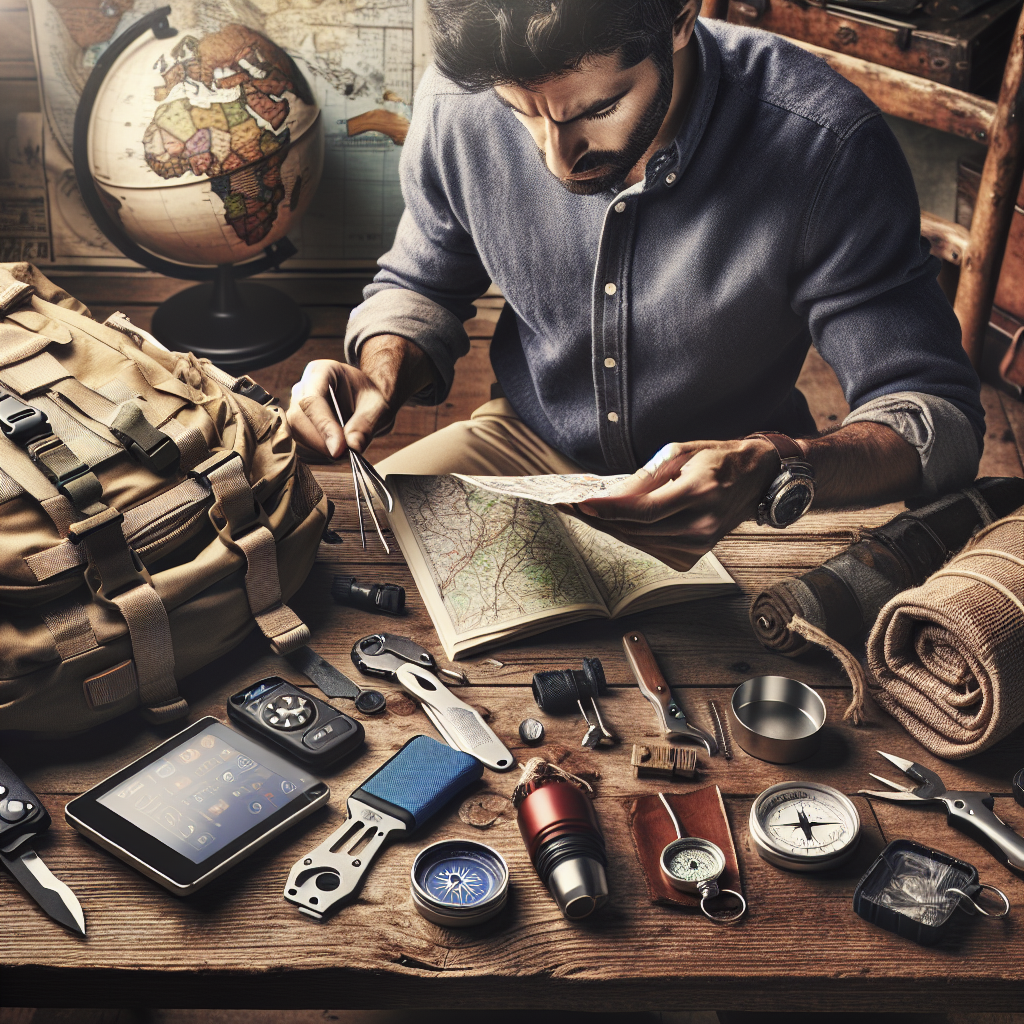

Imagine standing at the edge of a breathtaking vista, the sun setting behind towering mountains, painting the sky in hues of orange and purple. The only thing between you and this stunning landscape is your backpack, filled with essentials you carefully selected—not for extravagance, but for necessity. Backpacking on a budget isn’t just possible; it can actually provide some of the best memories. But how do you make it work without breaking the bank?
For many outdoor enthusiasts, budget constraints can often feel like a barrier to adventure. However, as I’ve learned through years of exploring the backcountry with little more than a map, a sturdy pair of boots, and a few well-curated supplies, it’s entirely feasible to immerse yourself in nature without emptying your wallet. This post delves into practical, tried-and-true strategies for budget-friendly backpacking, packed with personal anecdotes that speak to the heart of why these adventures matter.
Understanding the True Cost of Backpacking
Backpacking is about more than just the gear—it’s a way to connect with nature, challenge yourself, and create lasting memories. But before you can enjoy those experiences, you need to understand the actual costs involved. This isn’t just about buying a bunch of expensive gear. It revolves around planning, resourcefulness, and sometimes, a bit of luck.
During one of my first backpacking trips, I remember standing in a gear shop, overwhelmed by the selection. I watched as fellow adventurers bought top-of-the-line equipment without a second thought. It was then that I realized the biggest cost isn’t always the price tag on gear; it’s the experiences you miss out on because you believe you can’t afford to go. By understanding the costs and scoping alternatives, you lay the groundwork for a successful journey.
Key Expenses to Consider
- Gear: From tents to cooking stoves, gear can easily become a budget buster.
- Food: Proper nutrition is essential for energy, but it doesn’t have to be pricey.
- Travel: Getting to your destination can be a significant expense.
- Permits and Fees: Many trails and campsites require permits that can vary widely in price.
Being aware of these factors gives you a starting point to plan your budget effectively.
Thrifty Gear Shopping Strategies
Wondering how to fill your backpack without draining your wallet? Here are some strategic tips for acquiring necessary gear.
Buy Used or Rent Gear
One of the best lessons I learned was during a trip to a local outdoor store; I stumbled upon a section dedicated to used equipment. Here, I found a lightweight sleeping bag at a fraction of the original price. It had a few scuffs but was perfectly functional. Buying second-hand not only saves money but is also an environmentally-friendly choice.
Borrow from Friends
In my early days of backpacking, I borrowed a friend’s tent for a week-long trip. It worked wonderfully, saving me the cost of buying my own. Tap into your social networks. You might be surprised by how many friends have gear they’re willing to lend.
Consider DIY Solutions
I once found myself needing a backpack for an impromptu weekend trip. With some old fabric and a few sewing skills, I fashioned a simple pack that ended up being lighter than my friend’s brand-new model. There are endless resources online for DIY gear—like making your own camping stove or creating your own dehydrated meals.
Food Prep on a Dime
The second critical area of expense during your backpacking adventures is food. Proper nutrition can sustain you on the trail, but you don’t need restaurant-quality meals.
Meal Planning Basics
One of my most memorable trips involved hiking the Appalachian Trail. I opted for a meal prep plan that involved freeze-dried meals for ease, alongside homemade snacks. Planning ahead saved time and money. Here’s how:
- Plan Your Meals: Create a meal plan with simple and nutritious options.
- Bulk Buying: Purchase foods in bulk to save on cost.
- Dehydrate Your Own Meals: A dehydrator can be a worthwhile investment for long-term savings.
Budget-Friendly Foods to Pack
- Oatmeal: Easy to carry and filling.
- Rice and Lentils: Light, nutritious, and inexpensive.
- Peanut Butter: A great source of protein that packs well.
I’ll never forget feasting on a simple peanut butter sandwich after a grueling day on the trail. The satisfaction of nourishment coupled with the calming sounds of the forest was priceless.
Smart Travel Choices
Sometimes, the journey to your destination can be just as costly as the adventure itself. However, with a bit of strategic planning, you can minimize transportation costs.
Carpool or Use Public Transport
During a trip to Yosemite, I found a local forum where fellow hikers were discussing carpooling options to save on gas. Teaming up with adventurous spirits not only cut costs but also turned into an unexpected bonding experience with new friends. Research public transit options, shuttles, or rideshare apps that can help you save.
Choose Nearby Trails
You might find that some of the best trails are closer than you think. For my trip last summer, I decided to explore local trails rather than going on an expensive long-distance trip. I was surprised at how much beauty lay within a couple of hours from home.
Essential Skills to Master
Acquiring gear and planning meals can set the foundation for a successful backpacking trip, but mastering a few essential skills can elevate the experience.
Navigation
I learned the hard way about the importance of map reading during my first solo hike when I found myself lost for hours. Invest time in learning how to use a compass and read trails, as this can often save time, money, and stress.
First Aid Knowledge
Basic first aid skills can save a day—or a life. I once tripped while hiking and scraped my knee badly. Luckily, I had a small first-aid kit, and knowing how to treat the wound on the spot saved me from a long trek back. Consider taking a first aid course to gain confidence.
The Importance of Community
Backpacking often feels like a solitary activity, but the community can be your greatest asset. Even on a budget, make connections with fellow backpackers; you’ll find tips and tricks that money can’t buy.
Join Local Groups or Online Forums
Engagement in local hiking groups or online communities can bring access to reduced fees for guided trips or community gear swaps, creating opportunities to save money.
Attend Trail Clean-Up Days
One of the most rewarding volunteering experiences I took part in was a trail clean-up event. Not only did I give back, but I also met experienced hikers who shared valuable tips about my next big adventure. Plus, many trails rewarded volunteers with free or discounted permits.
Wrap-Up / Key Takeaways
Embarking on a backpacking adventure doesn’t have to break the bank. With a little creativity, resourcefulness, and planning, you can enjoy the great outdoors while keeping your budget intact. Remember, the thrill of backpacking comes not just from the gear you use but the experiences you create along the way. It’s the sunrises you share with fellow adventurers, the campsites shared with friends, and the satisfaction of knowing you are fully immersed in nature.
Take Action!
Get out there! Choose a local trail, gather some friends, and start planning your first budget-conscious adventure. You’d be amazed at how fulfilling it can be, exploring the beauty of the world around you without overspending.
Reader Questions Answered
Q: What’s the most essential gear to invest in as a beginner backpacker?
A: The three essentials are a good backpack, a quality sleeping bag, and a reliable tent. Prioritize comfort and versatility rather than brand names.
Q: How can I find affordable hiking locations?
A: Check local park services, websites, or social media platforms that often highlight hidden gems in nature. Additionally, don’t hesitate to ask your community for insider tips.
Q: Are there cheap alternatives to freeze-dried meals?
A: Absolutely! Cooking pasta, rice, or oats and dehydrating them can create nutritious, lightweight meals without the high cost of freeze-dried options.
FAQs
Q: Can I really backpack on a budget?
A: Yes! With intentional planning, borrowing gear, cooking inexpensive meals, and choosing local trails, backpacking can be affordable.
Q: What’s the best way to carry water on a budget?
A: Using refillable water bottles or a hydration reservoir is the most cost-effective and environmentally-friendly way to stay hydrated.
Q: Should I buy brand-name gear?
A: Not necessarily. Many off-brand items perform just as well as top brands. Research reviews and consider second-hand items to save money.
The world of backpacking is rich with opportunity, promise, and adventure. So lace up those boots, grab your budget-friendly gear, and hit the trails—you’ve got nothing standing between you and your next adventure!