

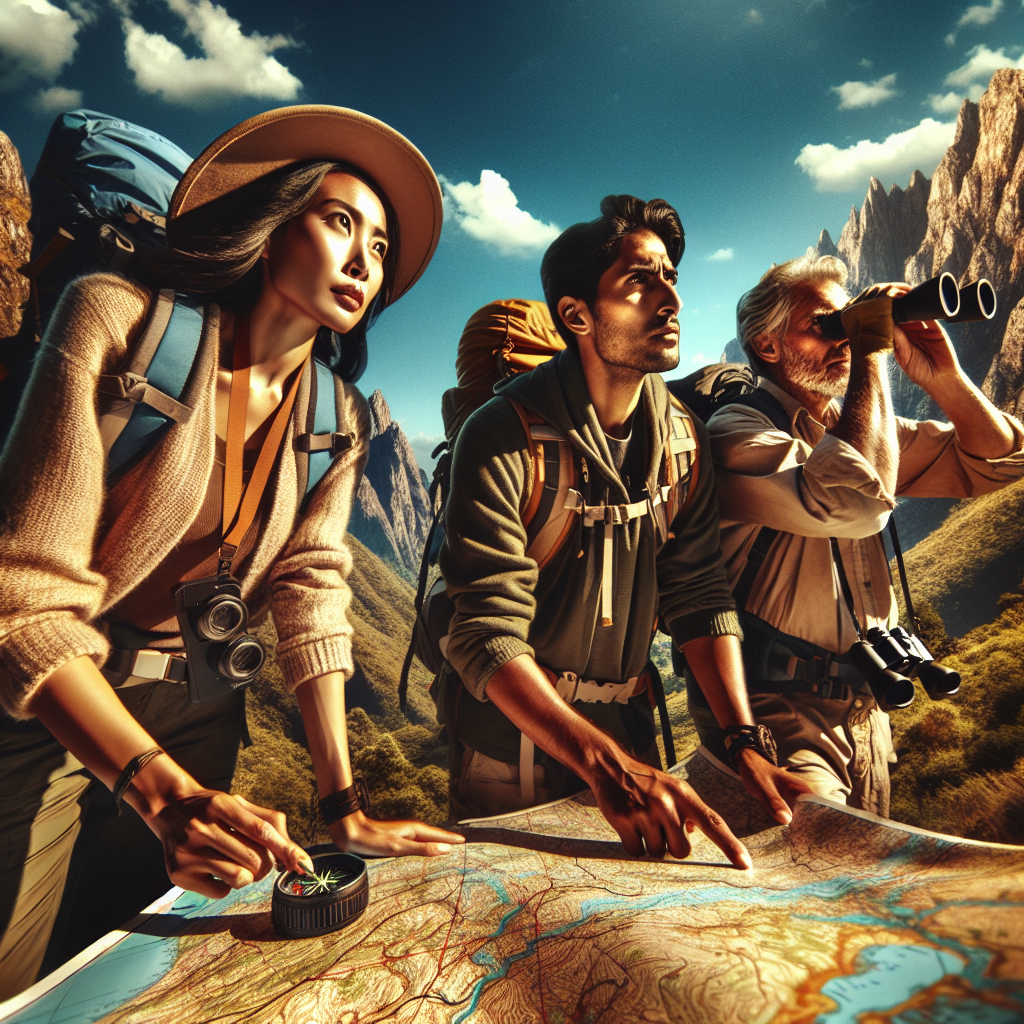

Introduction
As outdoor enthusiasts, we often seek the thrill of adventure and the serenity of nature. However, the beauty of the wild is often coupled with its challenges. The Art of Terrain: Navigating Nature’s Challenges with Confidence is a vital skill that can elevate your outdoor experiences from mundane to extraordinary. Mastering terrain navigation is not just about knowing which way to turn; it’s about understanding the environment, maintaining safety, and building confidence in your abilities. In this blog post, we’ll explore practical tips and personal stories that underscore the importance of terrain navigation, ensuring you’re well-equipped for your next adventure.
Understanding Terrain: The Fundamentals
What is Terrain Navigation?
Terrain navigation is the ability to assess and understand the landscape around you. This involves recognizing various features—such as mountains, rivers, and forests—and knowing how to use tools like maps, compasses, and GPS devices to guide your path.
Why Terrain Navigation Matters
Imagine you are hiking a remote trail, and suddenly the path disappears. Without the skill to navigate, you could easily lose your way. During a solo trek in the Rocky Mountains a few years ago, I faced a similar situation. The trail I had been following became obscured by fallen leaves and dense underbrush, and for a brief moment, panic set in. Thankfully, my training in terrain navigation kicked in. I stopped, assessed my surroundings, and focused on the natural landmarks I had memorized. This experience solidified my belief in the necessity of mastering this art.
Essential Tools for Terrain Navigation
Maps: The Old-School Navigator’s Best Friend
A topographic map reveals the physical features of the landscape and helps you visualize the obstacles ahead. Familiarize yourself with reading contour lines, elevations, and landforms.
Packing the Right Map
When preparing for my trek in the Canadian Rockies, I invested in a waterproof, detailed map that became indispensable during a long, foggy day of hiking. In poor visibility, the map guided me through dense forest areas and kept me away from dangerous drop-offs.
Compass: An Underrated Navigation Tool
Even today, knowing how to use a compass is crucial. GPS devices may run out of battery, but a compass never fails as long as you understand basic navigation techniques.
How to Use a Compass
Turn the compass until the needle aligns with the orienting arrow. From there, you can determine your direction of travel, which is particularly useful when moving through vast expanses of wilderness.
GPS Devices: The Modern Navigator
While traditional tools are essential, GPS devices are also incredibly helpful. Choose a device with good battery life and a clear interface.
GPS: A Cautionary Tale
On another hiking trip, my GPS malfunctioned as I neared a peak. I had relied on it too heavily and felt stranded without my traditional navigation tools. This taught me the importance of having a backup plan—always carry a map and compass, even if you are equipped with high-tech gadgets.
Best Practices for Navigating Terrain
Assess the Environment
Before heading out, familiarize yourself with the terrain and weather conditions. Each landscape poses unique challenges—from steep climbs to rocky terrains, each requiring specific skills and preparations.
Make Use of Landmarks
Along your journey, use prominent features as reference points. This can help you stay oriented even if the trail is unclear. I learned this during a hiking expedition in the Appalachian Mountains when I encountered a dense fog. Observing the contours of the hills allowed me to navigate confidently, even when visibility was limited.
Traveling in a Group
When hiking in groups, ensure everyone is familiar with the navigation tools. Collaborating increases safety and fosters a supportive environment. On one occasion, our team got separated during a hike in the Cascades. By designating one group member as the navigator, we managed to regroup swiftly and safely.
Overcoming Common Challenges in Terrain Navigation
Losing Your Way
Every outdoor enthusiast faces the risk of losing their way at some point. The key is to maintain composure and have a strategy ready. My first solo hike ended with me taking a wrong turn, and I found myself wandering through underbrush for hours. Instead of panicking, I found a high point to reassess my surroundings and finally located my trail.
Navigating Rough Terrain
Rugged landscapes require solid footing and awareness. Practice moving through different terrains, from rocky paths to slippery mud.
Techniques for Moving Effectively
Use a technique called “three points of contact” when traversing challenging spaces—having two feet and a hand engaged can provide extra stability. On a particularly tricky rock face during a climb in Utah, this technique allowed me to ascend without injury.
Weather Considerations
Always consider the weather before embarking on a hike, as conditions can change rapidly, impacting visibility and terrain. I once underestimated the sudden shifts in weather during a mountain climb. A sunny morning turned into a torrential downpour, and my knowledge of terrain navigation became crucial in seeking shelter and finding my way back.
Wrap-Up / Key Takeaways
The art of terrain navigation doesn’t just enhance your outdoor experience; it ensures your safety and boosts your confidence as an adventurer. By understanding your environment, equipping yourself with essential tools, and practicing best navigation techniques, you can navigate nature’s challenges with confidence. Whether you’re a seasoned adventurer or a novice, honing these skills is crucial for creating unforgettable outdoor memories.
Reader Questions Answered
What are the essential items for terrain navigation?
The must-have items include a detailed topographic map, a reliable compass, and a GPS device (if available). Additionally, a first-aid kit and plenty of water are crucial for safety.
How do I read a topographic map?
Reading a topographic map involves understanding contour lines (which indicate elevation) and recognizing symbols that represent landmarks. Familiarize yourself with the legend, and practice with maps of familiar areas before heading into the wild.
Can I navigate just using a GPS?
While GPS devices are incredibly useful, always have a backup plan. Remember to carry a map and compass in case your GPS fails or runs out of battery.
FAQs
What is terrain navigation?
Terrain navigation is the skill of assessing and moving through various landscapes using tools like maps, compasses, and GPS devices.
Why is it important to understand terrain features?
Understanding terrain features is crucial for safe and confident navigation. Familiarity with the landscape allows you to make informed decisions about your route.
How can I improve my navigation skills?
You can improve your navigation skills by practicing in different terrains, enrolling in navigation courses, and reviewing maps regularly to familiarize yourself with various features and symbols.
As you prepare for your next adventure, remember that mastering the art of terrain is essential for not just reaching your destination, but enjoying the journey along the way. Happy exploring!