


Introduction
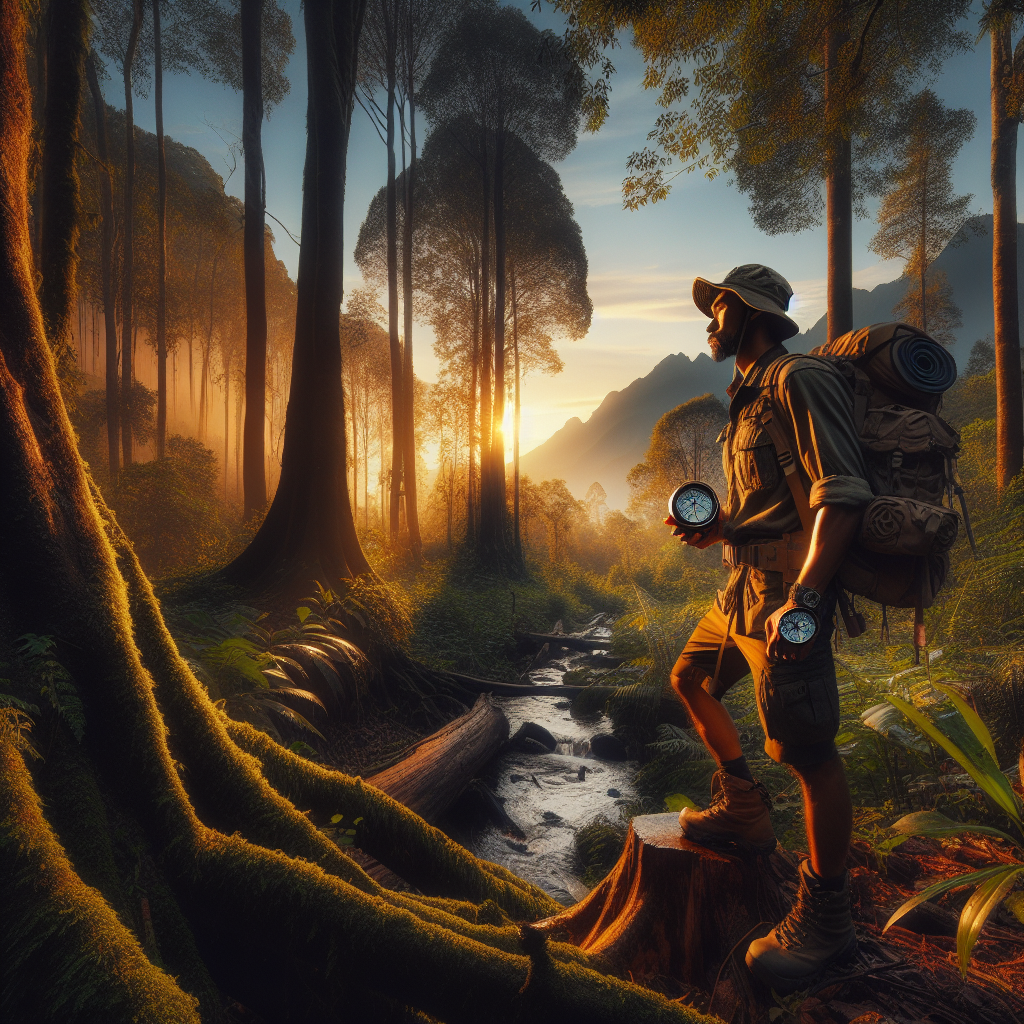
Imagine you’re deep in the woods, surrounded by towering pines, the only sounds are the rustling leaves and your own heartbeat. Suddenly, you realize your compass has been left behind. Panic sets in, but it doesn’t have to. Survival Skills 101: Navigating Wilderness Without a Compass is not just a theoretical exercise; it’s a crucial skill set that every outdoor enthusiast must master. This post will blend educational content with personal stories, providing you with actionable tips and engaging anecdotes to help you learn how to find your way in the wild, compass-free.
Whether you’re an experienced hiker or a weekend adventurer, mastering navigation without a compass can be a lifesaver. The wilderness is full of surprises, and understanding your environment is the key to enjoying your outdoor experience without fear. So buckle up for an adventurous journey into the wild!
Understanding Natural Navigation
How does Natural Navigation Work?
Natural navigation, at its core, involves understanding the elements of the earth to find your way. It may sound daunting, but with practice, it can become second nature. You must learn to read the landscape’s features and use the sun, stars, and even wildlife as your guides.
The Role of the Sun and Stars
The sun rises in the east and sets in the west, and this simple fact can guide you during the day. One memorable camping trip in the Adirondacks taught me this lesson firsthand. On one afternoon, I found myself lost while pursuing a hidden stream. Rather than panic, I remembered to look up. Positioning the sun in relation to my surroundings provided me with the directional clues I needed to return to camp.
At night, the North Star (Polaris) serves as a point of reference in the northern hemisphere. It is located at the end of the Little Dipper constellation and is a reliable guide for finding north.
Land Features as Navigation Tools
Using Landforms for Guidance
Mountains, valleys, rivers, and lakes can all be used as natural navigational tools. Keep in mind the layout of the land and use contours and features as your guide.
For example, I recall a hike along the Appalachian Trail where fog rolled in unexpectedly. With visibility drastically reduced, I focused on navigating by terrain. Knowing that a river lay to my left provided a comforting reference point. After following the river for a short distance, I emerged back into the clear, all thanks to the landscape’s natural features.
Creating Mental Maps
As you journey through different terrains, practice creating mental maps. This involves recalling features of the landscape as you see them, whether it’s a uniquely shaped mountain or a particular bend in a river. During a solo trek in the Sierra Nevadas, I noticed how certain rock formations and valleys lined up at specific angles. They became permanent markers in my mind, guiding me through unfamiliar territory.
Utilizing Biological Clues
Observing Vegetation and Wildlife
The environment is full of indicators that can assist in navigation. Vegetation tends to grow in patterns, often favoring certain soil types and moisture levels. For example, if you’re by a stream, the lush greenery and flora can help lead you downstream, where a larger body of water might be found.
On a memorable trip in the Cascades, I recognized that moss grows predominantly on the north side of trees due to light variation. This small but vital detail helped me maintain my bearings as I navigated through dense forest, ensuring I moved in the intended direction.
Weather Patterns as Navigational Guides
Interpreting the Weather
Weather patterns can offer additional insights into your surroundings. Wind direction, cloud formations, and even temperature can provide hints. Wind typically flows from high-pressure areas to low-pressure areas, often evident during the day.
On one particular camping trip, I was caught in a sudden storm. By observing how the wind shifted, I was able to determine which direction the storm was coming from, allowing me to choose a nearby shelter rather than continue trekking.
Common Mistakes to Avoid
Over-relying on Digital Devices
In today’s tech-driven world, it’s easy to become overly reliant on devices. Trusting your smartphone’s GPS can backfire when the battery dies or signal is lost. I learned this lesson during a long trek in the Rockies where my GPS app failed me at a crucial moment. Keeping a reliable backup through traditional methods ensured I wasn’t reliant on technology.
Failing to Plan Ahead
Planning is key! Not preparing for unexpected challenges can lead to confusion in unfamiliar territory. Always research your route and terrain beforehand. During a hike in the Canadian Rockies, I encountered unexpected terrain changes that led me off-course because I hadn’t adequately reviewed the map.
Wrap-Up / Key Takeaways
In today’s modern world, navigating wilderness without a compass might seem daunting, but the skills discussed in Survival Skills 101: Navigating Wilderness Without a Compass will empower you to travel confidently. By observing the sun, understanding land features, reading the flora and fauna, interpreting weather patterns, and avoiding common mistakes, you can turn potential panic into adventure.
Remember, practice makes perfect! Head out into the wild, armed with this knowledge, and become attuned to your surroundings. Your next outdoor adventure is waiting.
Reader Questions Answered
What if I get lost and feel panic setting in?
Panic is normal but can lead to poor decision-making. Take a deep breath, assess your surroundings, and apply your navigation skills. Remember to utilize natural resources, breathe, and focus on gathering your thoughts.
How can I improve my natural navigation skills?
Practice makes perfect! Take a map and head out into the woods, observing features and using the sun to guide your path without relying on gadgets. Regular practice and increased familiarity with your surroundings will enhance your skills.
Are there tools to complement my natural navigation skills?
Absolutely! Tools like a watch with a sun dial, terrain maps, and even just pen and paper for jotting down notes can complement your natural navigation skills.
FAQs
Can you navigate without any tools at all?
Yes, relying solely on observation and understanding natural elements—like the sun, landscape, and weather patterns—can guide you effectively through the wilderness.
Is it safe to rely on natural navigation while hiking?
As long as you maintain awareness of your environment and plan ahead, natural navigation can be a safe and effective method to explore the wilderness.
How can I ensure I’m prepared for unexpected weather changes?
Monitor weather forecasts prior to your trip and always carry emergency gear, including rain gear and warm clothing, to adapt to sudden weather shifts.
With this guide, you’re now equipped to venture into the wilderness without a compass, transforming challenges into adventures. Embrace the journey, trust your instincts, and enjoy the beauty of nature!