

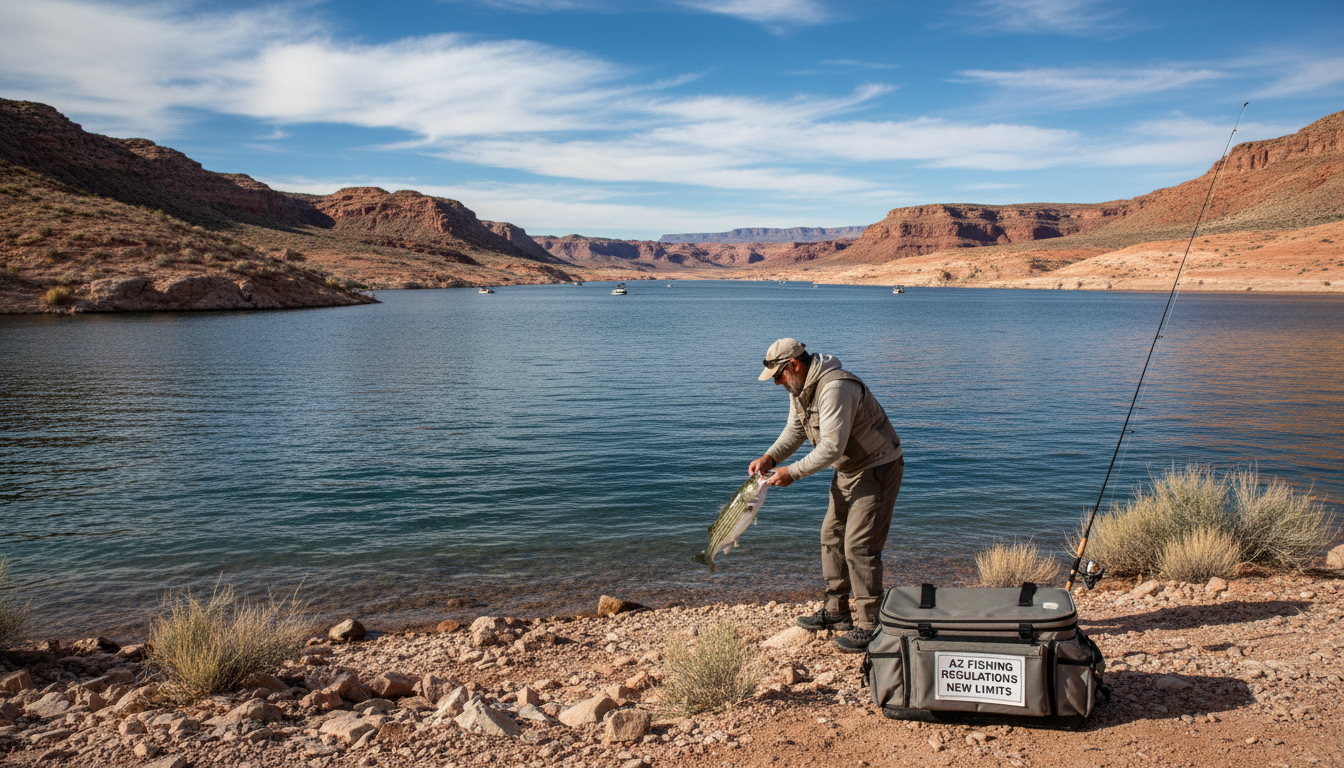

Arizona Game and Fish Commission Revisions Boost Fishing Opportunities at Lake Mead and Lake Mohave
In a landmark decision during their January 16, 2026 meeting, the Arizona Game and Fish Commission enacted pivotal changes to out-of-cycle fishing regulations, specifically targeting the thriving waters of Lake Mead and Lake Mohave. With the goal of enhancing recreational fishing experiences, the Commission has lifted the daily bag limit on striped bass to an unlimited number, and expanded the catfish limit to 25.
Setting the Stage
These regulatory updates aren’t just a bureaucratic formality; they represent a significant shift in how Arizona manages its shared aquatic resources. By synchronizing state regulations with those of neighboring Nevada, where the Department of Wildlife revised its striped bass regulations effective January 1, 2026, the Arizona Game and Fish Department (AZGFD) aims to foster clearer guidelines for anglers and greater cooperation among law enforcement.
Analyzing the Changes
The Nevada Department of Wildlife’s (NDOW) comprehensive review found that previous striped bass restrictions—capping daily catches at 20 fish with a minimum size of 20 inches—were unwarranted and overly complex. Creel surveys indicated that very few anglers ever reached the previous limits, with harvest data showing that it was nearly unheard of for anglers to catch their full quota of larger striped bass.
Research further revealed that striped bass growth is primarily influenced by food availability rather than harvest levels. AZGFD concurred with NDOW’s findings, determining that the health of the striped bass population remains robust, thus dispelling fears of adverse effects stemming from increased harvest limits.
In tandem with the striped bass updates, the AZGFD identified discrepancies in catfish regulations between Arizona and Nevada. The statewide cap was previously reduced to 10 fish in 2015, inadvertently lowering the limit at Lake Mead and Lake Mohave. Returning the daily bag limit for catfish to 25 re-establishes uniformity between states and reflects an understanding that catfish populations remain stable, as most anglers—approximately 70%—release the fish they catch.
Why It Matters
Long-term Implications for Anglers and Conservation:
- Enhanced Recreational Fishing: These updated regulation changes offer exceptional latitude to anglers who frequent these lakes, significantly enriching the local fishing experience and promoting the sport of fishing.
- Economic Impact: Increased fishing opportunities may bolster local economies, especially around Lake Mead and Lake Mohave, as more enthusiasts are likely to visit, contributing to tourism and recreation-related businesses.
- Sustainable Management: By harmonizing regulations, Arizona and Nevada set a precedent for cooperative resource management. This approach not only simplifies rules for anglers but also facilitates the enforcement of sustainable practices that will benefit fisheries health in the long run.
Field Insights: Pro-Tips for Anglers
- Maximize Your Catch: With no daily limit on striped bass, consider targeting prime feeding times—early morning and late afternoon—when these fish are most active.
- Conservation Mindset: Always practice ethical fishing; even with increased limits, consider catch-and-release strategies for smaller fish to support growth and sustainability.
- Informed Preparation: Stay updated with the latest fishing reports and conditions at Lake Mead and Lake Mohave to optimize your outing fully. The AZGFD fishing regulation changes are available online, with hard copies expected at department offices and license dealers by mid to late February.
Moving Forward
While the AZGFD typically revises fishing regulations on a two-year cycle, these out-of-cycle amendments showcase the department’s commitment to responsive and responsible wildlife management. Public engagement remains crucial, as the commission invites ongoing community input to shape future regulations, ensuring that Arizona’s waters stay vibrant for generations of anglers and wildlife enthusiasts alike.
These revisions set the stage for a promising future at Arizona’s well-loved fishing destinations, empowering anglers and conserving vital aquatic ecosystems in the process.