

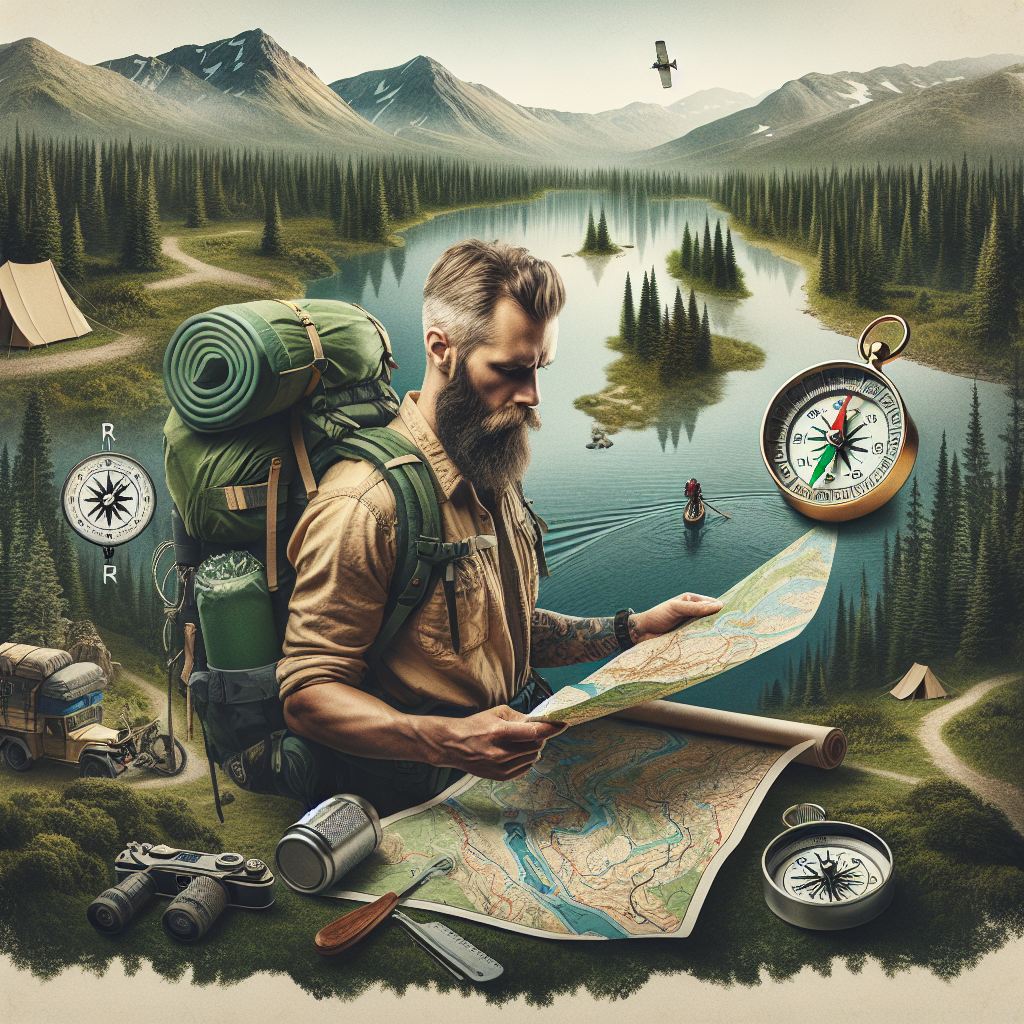

In the vast expanse of the wilderness, every tree, rock, and creek tells a story—but to truly appreciate the tales they tell, you need the skill to navigate through them. Welcome to Finding Your Way: A Beginner’s Guide to Wilderness Navigation. Whether you’re planning a weekend camping trip or embarking on an adventurous hike, mastering navigation is essential not just for fun, but for safety. In this guide, we’ll blend educational insights, personal anecdotes, and practical tips that can transform your outdoor escapades. Let’s embark on this journey of discovery together.
Understanding Wilderness Navigation
Navigating through the wilderness may seem daunting at first, but fear not! With some fundamental skills and awareness, anyone can learn to find their way. Think back to a vibrant autumn day when I set out on a solo hike in the smoky Blue Ridge Mountains. As I stood at the trailhead, I marveled at the beauty before me, confident in my ability to navigate my chosen route. However, as the sun dipped behind the mountains, I realized how crucial navigation skills would be as I headed into unfamiliar territory.
The key to mastering wilderness navigation involves understanding three main tools: a compass, a map, and, of course, your instincts. Let’s break these down.
The Essentials of Wilderness Navigation
Familiarizing Yourself with a Map
Why It Matters: A map is more than just colorful lines; it’s a detailed representation of the landscape, including trails, elevations, waterways, and landmarks.
When I first ventured into the wilderness, I quickly learned a valuable lesson: it’s essential to choose the right map. For instance, topographic maps highlight elevation changes, helping you identify steep climbs or gentle slopes. On a hiking excursion in the Cascades, I unintentionally veered off the trail because my map lacked detail, leading me through dense brush and steep cliffs. Keeping a keen eye on the contour lines would have saved me both time and frustration.
How to Read a Map:
- Understand Scale: Know that 1 inch on the map may represent a mile in reality.
- Recognize Symbols: Become familiar with common symbols for trails, roads, water, and landmarks.
- Follow Contours: Learn to read elevation changes through contour lines—closer lines indicate steep areas.
Mastering the Compass
What to Pack: A reliable compass should be part of your navigation toolkit. But knowing how to use it is critical.
On one memorable hiking trip, my buddy and I faced an unexpected fog that rolled in, blanketing the forest in a thick white veil. With visibility limited to mere feet, we relied solely on our compasses. Holding our breath, we took our bearings and set off confidently into the unknown. The compass became our guiding star and turned what could have been a scary scenario into an adventurous test of our skills.
Using a Compass:
- Take a Bearing: Rotate the compass until the needle aligns with the orienting arrow. Now you know your direction!
- Follow the Bearing: Keep the needle aligned while moving, ensuring you stay true to your chosen path.
The Role of Land Navigation Techniques
Common Mistakes: One of the most frequent pitfalls in navigation is failing to adjust for terrain.
During an exploratory hike in the Rockies, I made this exact mistake. Ignoring the steep elevation and dense woods while following my compass led me off course more than a few times. A well-honed technique would involve compensating for elevation and recognizing that a straight line often winds through existing trails.
Techniques to Improve Navigation Skills:
- Land Features: Use visible landmarks (mountains, rivers) for general direction.
- Checkpoints: Set frequent checkpoints based on distance traveled.
The Importance of Digital Tools
While traditional tools are vital, integrating technology can enhance your navigation experience. GPS devices and navigation apps on smartphones provide real-time updates about your location.
However, I learned the hard way on a 7-day backcountry trip in the Sierras that reliance on technology can sometimes fail you. My GPS battery died on day three, and it was my printed map that ultimately guided me safely home.
Emergency Navigation Strategies
Navigating your way back when lost is an essential skill every outdoor enthusiast must master.
Once, while camping near a forest in New Hampshire, a sudden storm thwarted my plans. As tree branches swayed wildly, I took a deep breath, recalling a technique I had honed: staying calm and using the sun’s position to guide my way back. Though unnerving, recognizing the basic principles of navigation in emergencies helped me maintain composure and find my way back safely.
Key Tips for Emergency Navigation:
- Know the Basics of Sun Positioning: The sun rises in the east and sets in the west. Use it as a directional guide.
- Establish a Survival Plan: Always have a designated meeting point if splitting up.
Key Takeaways and Wrap-Up
Navigating the wilderness can open up a world of adventure, but it comes with responsibilities. By effectively learning to read maps, utilize compasses, and apply land navigation techniques, you will gain the confidence to explore the great outdoors.
Here’s what to remember:
- Master the Essentials: Know your map and compass inside out.
- Practice in Safe Environments: Start in familiar areas before tackling uncharted territories.
- Stay Alert: Always be aware of your surroundings and the evolving landscape.
By honing these skills, you’ll not only ensure your own safety but foster a deeper appreciation for the wild. Grab your compass, plot your course, and venture forth—adventure awaits!
Reader Questions Answered
1. What should I do if I get lost?
Stay calm. Use your compass or map to determine your last known position. Look for landmarks or retrace your steps to familiar ground.
2. Can I rely on my smartphone for navigation?
While smartphones are useful, they can fail due to battery issues or lack of signal. Always bring a physical map and traditional compass as backup.
3. How can I practice my navigation skills?
Take small hikes or practice orienteering with friends to refine skills in real-world environments.
FAQs
1. What is the most important tool for navigation?
While both map and compass are vital, a compass is invaluable for direction in a pinch.
2. How can I stay safe while navigating?
Plan your route in advance, stick to trails when possible, and let someone know your itinerary.
3. Do I need a wilderness navigation course?
Courses aren’t mandatory but are highly recommended for beginners to gain confidence and skills from experienced instructors.
Outdoor exploration is a thrilling endeavor that opens the door to countless adventures. Mastering wilderness navigation is a critical step toward becoming a responsible and resilient outdoor enthusiast. So, gear up, navigate wisely, and let the spirit of adventure guide you!