

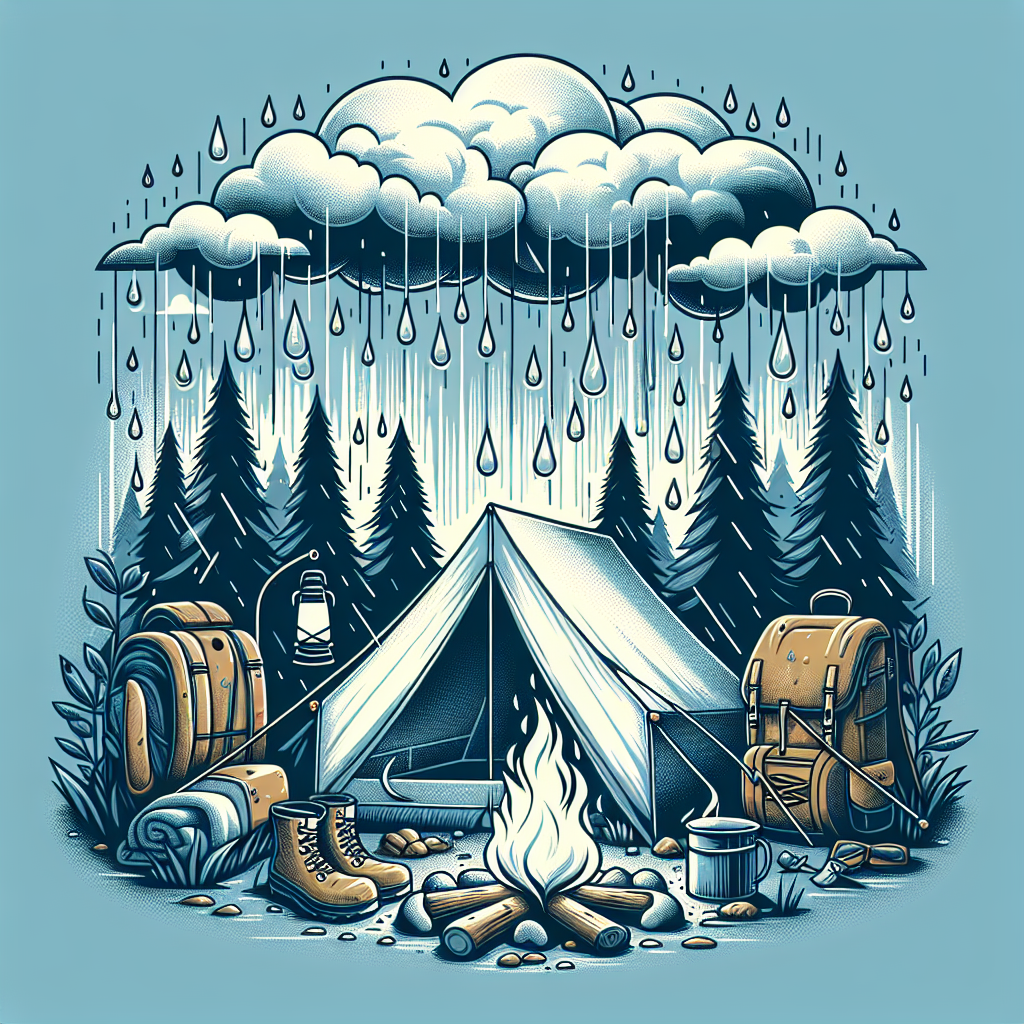

When was the last time you were snug in your tent, listening to the soothing sound of rain pattering on the canvas? For many outdoor enthusiasts, camping in the rain conjures an array of emotions—from a sense of adventure to moments of sheer frustration. As seasoned campers will tell you, the weather can take a turn, and it’s often unpredictable. So, how do you transform a potential downpour into the perfect recipe for a memorable adventure? This blog post explores practical tips for camping during wet conditions and shares personal anecdotes that illustrate how to embrace the rain.
The Importance of Preparation
When I first started camping, I was blissfully naive about the elements. On a weekend trip to the Smoky Mountains, my friends and I decided to forgo checking the weather. Mid-hike, dark clouds loomed overhead, and the sky opened up. We scrambled to set up our tents in a deluge, our gear soaked and spirits waning. That experience taught me an invaluable lesson: preparation is crucial. Understanding what to expect—from setting up camp to choosing the right gear—sets the stage for a much more enjoyable experience, whether the sun shines or the rain pours.
Understanding Weather Patterns
Before embarking on any camping trip, understanding weather patterns can literally save the day. Weather is often unpredictable, and sudden changes can affect your plans drastically. Check reliable sources like the National Weather Service or a weather app. Make use of radar and satellite images to better assess your area. Remember, knowing if there’s a chance of heavy rain or even thunderstorms allows you to make better decisions about your camping location and time spent outdoors.
Gear Essentials for Rainy Conditions
Having the right camping gear can make or break your experience in the rain. Here’s a comprehensive checklist of must-haves:
-
Waterproof Tent: Choose a tent that features a rainfly and ensures the seams are sealed. I learned this the hard way when I trusted my more affordable tent; it ended up more like a water feature than a shelter!
-
Quality Sleeping Bag: Opt for a sleeping bag rated for three-season use and made from synthetic materials that resist moisture. As a rule of thumb, the dryer you can keep your gear, the more comfortable your nights will be.
-
Waterproof Footwear: Investing in a good pair of waterproof hiking boots can keep your feet dry and warm. Remember, wet socks are a sure way to ruin your trip!
-
Dry Bags: Use dry bags for camp essentials like clothing, electronics, and food. Keeping items in these bags will save you from a soggy surprise when you need them the most.
Planning Your Campsite
Selecting the right campsite can make all the difference. It’s vital to find one that minimizes water accumulation.
-
Choose High Ground: Always look for elevated spots, if possible. I learned the hard way on another trip when we camped near a stream that grew into a rushing river after a sudden downpour, leaving our tents perched precariously near the edge.
-
Avoid Valleys and Lowlands: These areas tend to collect water, transforming your campsite into a puddle. Trust me, waking up to water pooling around your sleeping bag isn’t the adventure you signed up for!
Tent Setup: Rainy-Day Tactics
Setting up your tent in the rain doesn’t have to be a nightmare. Here are a few tips that work wonders:
-
Set Up a Rainfly First: If you arrive at your camping site and it starts to rain, spread your rainfly first. You can use this as a temporary shelter to keep your things dry while you set up the tent beneath it.
-
Use a Ground Cloth: Lay a ground cloth down to protect the bottom of your tent from moisture and abrasion. This added layer can be the difference between a dry night or waking up in a small puddle.
Activities to Enjoy While Camping in the Rain
Just because it’s raining doesn’t mean your trip is spoiled! Here are some engaging activities to make the most out of a rainy day:
-
Cooking: A rainy day is the perfect time to experiment with your camp cooking skills. Try whipping up a tasty stew or roasting marshmallows under the shelter. Cooking in the rain can forge camaraderie among camping friends and create lasting memories.
-
Reading and Relaxing: Sometimes, the best thing to do is curl up with a good book inside your tent, listening to the rhythmic rain. It’s an experience that no one can replicate at home.
-
Nature Walks: After a refreshing rain, nature changes dramatically, revealing vibrant colors and fresh scents. Explore your surroundings for unique photo opportunities. Remember to wear appropriate gear, especially waterproof jackets and shoes.
Finding Joy in the Challenge
Camping in the rain is as much a lesson in adaptation as it is in enjoyment. On one of my most memorable trips to the Appalachian Trail, it poured for three straight days. Instead of succumbing to defeat, my friends and I decided to embrace it. We played games, shared stories, and even found joy in the little things, such as watching wildlife that only emerged during the rain. Those few days taught me patience and gratitude for the simple pleasures of camping.
Wrap-Up: Take Charge of Your Outdoor Adventures!
Camping during rainy days shouldn’t be viewed as a setback but as an opportunity to experience nature differently. From careful preparation and selecting the right gear to embracing activities that bring joy and challenge, you can turn rain into your camping ally. So the next time the forecast threatens clouds, remember: every storm has its silver lining, and the best adventures often lie just beyond the rain.
Reader Questions Answered
What are the best ways to waterproof my camping gear?
Waterproofing can involve treating your tents and backpacks with waterproof sprays, sealing seams, and utilizing dry bags for essential items. Always check the manufacturer’s instructions for your gear.
Can I camp if it’s raining heavily?
Yes, but careful planning is essential. Choose high, well-drained ground, and have appropriate gear. It’s important to monitor the weather to avoid dangerous conditions.
How can I ensure my tent doesn’t leak?
Ensure your tent is properly weighted down and that the seams are sealed. Regular maintenance and using a reliable waterproof cover will help.
FAQs
-
What should I do if my tent gets wet inside?
- If your tent gets wet, keep the doors and windows open to ventilate. Use a dry cloth to soak up excess moisture, if possible.
-
Is it dangerous to camp during a storm?
- While not inherently dangerous, it’s crucial to be aware of your surroundings. Avoid camping near trees or water sources that could rise quickly.
-
How can I keep my food dry in the rain?
- Store food in waterproof containers or dry bags and set up your cooking area under a tarp to keep everything protected.
-
What should I wear while camping in the rain?
- Always wear waterproof clothing and layers. Base layers should wick moisture away from your skin, and be sure to wear waterproof footwear.
-
Can rainy camping trips be enjoyable?
- Absolutely! Many find rainy days provide a unique opportunity for bonding and reflection while enjoying the beauty of nature in a different light.
By embracing the challenges and joys of camping in rainy conditions, you’ll discover a deeper connection to the great outdoors. So, pack your gear, head out, and don’t forget that every rain cloud holds the potential for adventure!