

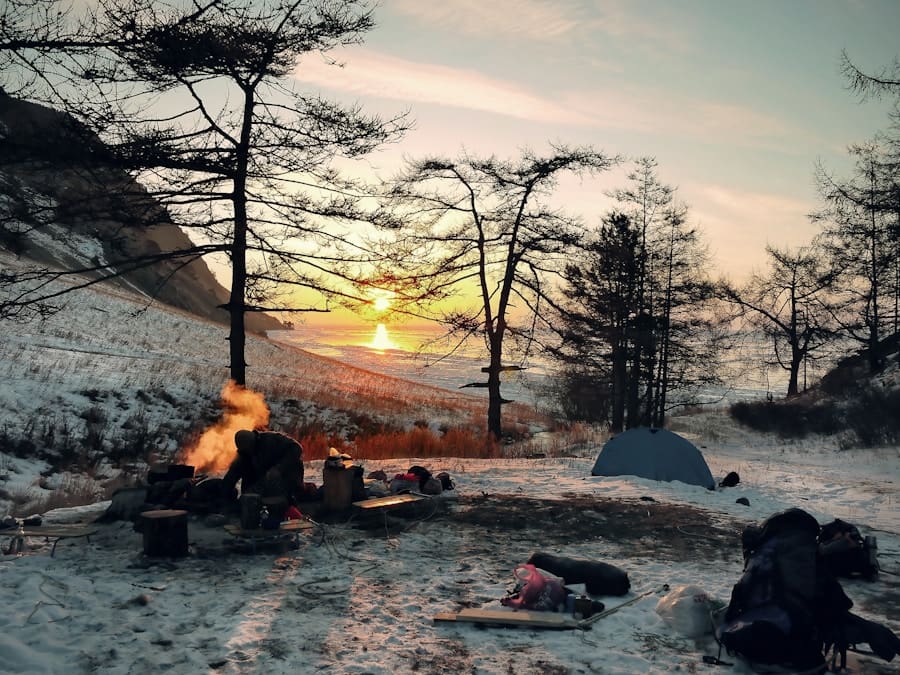

# Leave No Trace: Your Beginner’s Guide to Responsible Camping Check out this amazing collection of camping gear for your next outdoor adventure!
Key Takeaways
- Leave No Trace Camping is a set of outdoor ethics promoting responsible and sustainable camping practices to minimize impact on the environment.
- The Seven Principles of Leave No Trace include guidelines for minimizing campfire impact, disposing of waste properly, and respecting wildlife and nature.
- Essential camping tips for beginners include planning ahead, packing the right gear, and familiarizing oneself with Leave No Trace principles.
- Choosing the right campsite involves considering factors such as proximity to water sources, impact on vegetation, and adherence to camping regulations.
- Proper waste disposal and litter management are crucial for Leave No Trace camping, including packing out all trash and minimizing waste generation.
Leave No Trace camping is more than just a set of guidelines; it’s a philosophy that encourages outdoor enthusiasts to enjoy nature while minimizing their impact on the environment. As a beginner camper, understanding this concept is crucial for preserving the beauty of our natural spaces for future generations. The essence of Leave No Trace lies in the idea that we can explore and appreciate the great outdoors without leaving behind any trace of our presence.
This means being mindful of our actions and making conscious choices that protect the environment. When you embrace Leave No Trace camping, you become a steward of the land. This means taking responsibility for your actions and understanding how they affect the ecosystems around you.
By practicing these principles, you not only enhance your own outdoor experience but also contribute to the well-being of wildlife and the preservation of natural habitats. As you embark on your camping journey, remember that every small action counts, and your commitment to responsible camping can make a significant difference.
The Seven Principles of Leave No Trace
The Leave No Trace philosophy is built upon seven core principles that guide campers in their outdoor adventures. Each principle serves as a reminder of our responsibility to protect nature while enjoying it. Let’s explore these principles in detail.
1. **Plan Ahead and Prepare**: Before heading out, take the time to research your destination. Understand the regulations, weather conditions, and potential hazards.
Planning ahead ensures that you have the right gear, food, and supplies for your trip. For example, if you’re camping in an area with strict fire regulations, make sure to bring a portable stove instead of relying on campfires. This not only keeps you safe but also protects the environment from unnecessary damage.
2. **Travel and Camp on Durable Surfaces**: When hiking or setting up camp, stick to established trails and campsites. This minimizes soil erosion and protects fragile vegetation.
If you’re venturing into less-traveled areas, choose durable surfaces like gravel, sand, or dry grass for your campsite. Avoid trampling delicate plants or creating new paths, as this can lead to long-term damage to the ecosystem. 3.
**Dispose of Waste Properly**: Proper waste disposal is essential for maintaining a clean environment. Always pack out what you pack in, including food scraps and trash. If you’re in an area without restroom facilities, learn how to dig a proper cat hole for human waste—at least six to eight inches deep and at least 200 feet away from water sources.
By following these guidelines, you help keep the wilderness clean and safe for both wildlife and fellow campers. 4. **Leave What You Find**: Nature is a delicate balance of ecosystems, and removing rocks, plants, or historical artifacts disrupts this balance.
When you come across beautiful stones or unique plants, admire them but leave them where they are. This principle also extends to avoiding the creation of new fire rings or altering natural features. By leaving things as you found them, you help preserve the integrity of the environment.
5. **Minimize Campfire Impact**: Campfires can be a wonderful part of the camping experience, but they can also cause significant damage if not managed properly. Whenever possible, use a camp stove for cooking instead of building a fire.
If you do have a fire, use established fire rings and keep it small. Always ensure that your fire is completely extinguished before leaving the site. This helps prevent wildfires and protects the surrounding vegetation.
6. **Respect Wildlife**: Observing wildlife can be one of the most rewarding aspects of camping, but it’s essential to respect their space. Keep a safe distance from animals and never feed them; human food can be harmful to wildlife and can lead to dangerous encounters.
Store your food securely in bear-proof containers or hang it from a tree if you’re in bear country. By respecting wildlife, you contribute to their safety and well-being. 7.
**Be Considerate of Other Visitors**: Camping is often a shared experience, so being considerate of others enhances everyone’s enjoyment of nature. Keep noise levels down, especially during quiet hours, and maintain a respectful distance from other campers. If you’re hiking in a group, yield to those coming uphill or those on horseback.
By being courteous, you foster a sense of community among outdoor enthusiasts.
Essential Camping Tips for Beginners
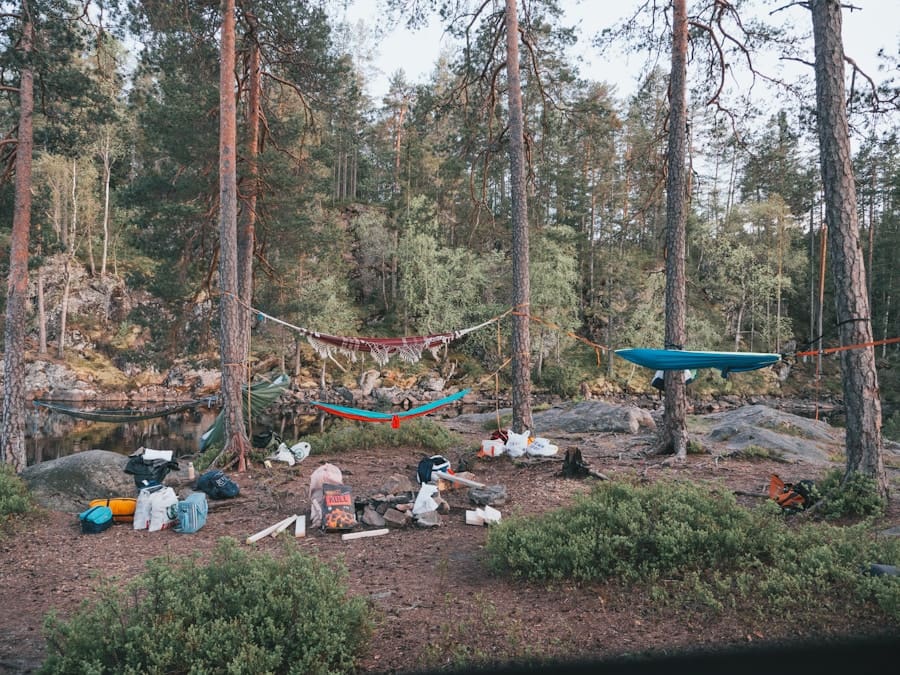
As a beginner camper, there are several essential tips that can help ensure your first experience is enjoyable and stress-free. First and foremost, invest in quality gear that suits your needs. A good tent, sleeping bag, and cooking equipment are fundamental for a comfortable camping experience.
Research different brands and read reviews to find gear that fits your budget while still providing reliability. Another important tip is to practice setting up your tent at home before heading out into the wilderness. Familiarizing yourself with your equipment will save you time and frustration when you arrive at your campsite.
Additionally, consider packing layers of clothing to accommodate changing weather conditions—this will keep you comfortable regardless of temperature fluctuations.
Choosing the Right Campsite
Selecting the right campsite is crucial for a successful camping trip. Look for established campsites that are already cleared of debris and have durable surfaces for pitching your tent. Avoid camping too close to water sources to minimize impact on fragile ecosystems and reduce the risk of flooding during heavy rains.
When choosing a site, consider factors such as wind direction and sunlight exposure. Setting up your tent in a sheltered area can protect you from strong winds while ensuring you have enough sunlight during the day for warmth and light. Additionally, be mindful of local wildlife; avoid areas with signs of animal activity or nests to ensure both your safety and theirs.
Proper Waste Disposal and Litter Management
Proper waste disposal is one of the cornerstones of responsible camping. Always carry trash bags with you to collect any litter you generate during your trip—this includes food wrappers, broken gear, and any other waste items. Make it a habit to leave your campsite cleaner than you found it; this not only sets a good example for others but also contributes to the overall health of the environment.
If you’re camping in an area with no restroom facilities, familiarize yourself with proper waste disposal techniques before you go. Digging a cat hole for human waste is essential; remember to cover it up afterward to prevent contamination of water sources and maintain hygiene in the area.
Respect for Wildlife and Nature
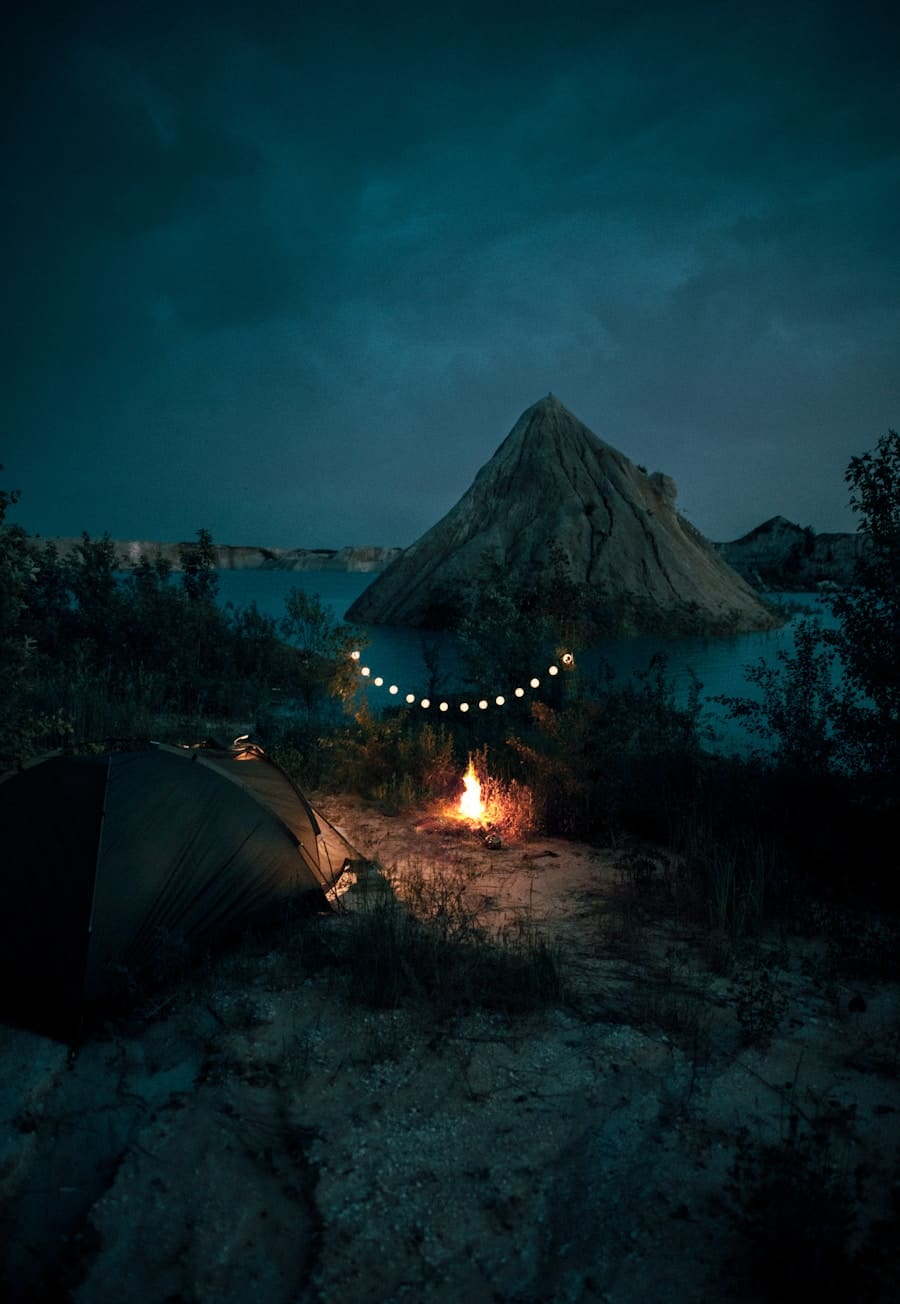
Respecting wildlife is an integral part of Leave No Trace camping. When observing animals in their natural habitat, maintain a safe distance—this allows them to go about their lives without feeling threatened by human presence. Feeding wildlife is strictly prohibited; it can lead to dangerous situations for both animals and humans alike.
In addition to respecting wildlife, it’s important to appreciate nature as a whole. Take time to observe plants, trees, and landscapes without disturbing them. Avoid picking flowers or uprooting plants; instead, capture their beauty through photographs or sketches.
By fostering a sense of respect for all living things, you contribute to the preservation of biodiversity in our natural spaces.
Campfire Safety and Leave No Trace
Campfires can enhance your camping experience by providing warmth and a gathering place for storytelling under the stars; however, they must be managed responsibly to align with Leave No Trace principles. Before starting a fire, check local regulations regarding campfires—some areas may have restrictions due to fire hazards. When building a campfire, use established fire rings whenever possible to minimize impact on the surrounding area.
Keep your fire small and manageable; this not only reduces the risk of wildfires but also conserves valuable resources like wood. Always ensure that your fire is completely extinguished before leaving your campsite—dousing it with water until all embers are cold is essential for safety.
Leave No Trace Camping Gear and Equipment
Having the right gear is essential for practicing Leave No Trace camping effectively. Invest in high-quality equipment that aligns with sustainable practices—look for brands that prioritize eco-friendly materials and manufacturing processes. A durable tent made from recycled materials can significantly reduce your environmental footprint while providing shelter during your adventures.
Additionally, consider using reusable containers for food storage instead of single-use plastic bags or containers; this minimizes waste while keeping your food fresh and secure from wildlife. A portable stove is another excellent investment; it allows you to cook meals without relying on campfires, further reducing your impact on the environment. In conclusion, Leave No Trace camping is about more than just following rules; it’s about cultivating an appreciation for nature while taking responsibility for our actions in the great outdoors.
By understanding and implementing these principles as a beginner camper, you’ll not only enhance your own experiences but also contribute positively to the preservation of our beautiful natural spaces for generations to come. So pack your gear, plan ahead, and embark on your outdoor adventures with confidence—nature awaits!