

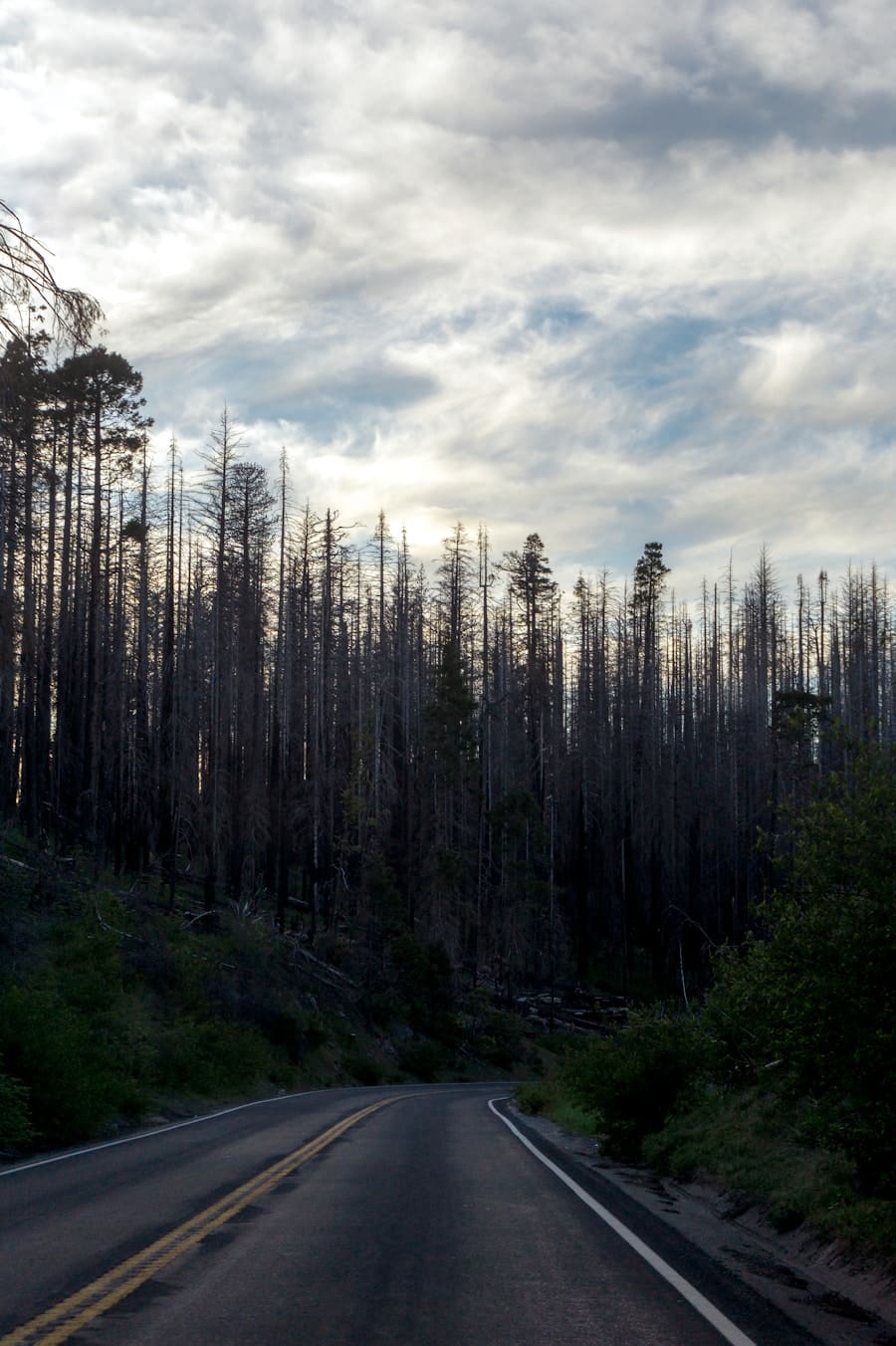

Wildfires have become an increasingly common phenomenon, leaving a trail of destruction across cherished landscapes. From the majestic redwoods of California to the sprawling grasslands of the Midwest, these fires not only obliterate flora and fauna but also disrupt the delicate balance of ecosystems. The immediate aftermath of a wildfire is often characterized by charred earth and smoke-filled skies, a stark reminder of nature’s ferocity.
Communities that once thrived in harmony with their surroundings are left grappling with loss, as homes and habitats are reduced to ashes. The emotional toll of wildfires extends beyond physical destruction. For many, these landscapes hold personal significance, serving as places of recreation, reflection, and connection to nature.
The loss of such spaces can lead to a profound sense of grief among local residents and conservationists alike. As wildfires continue to ravage beloved areas, it becomes increasingly crucial to understand their impact and advocate for effective management strategies that prioritize both ecological health and community resilience. Check out this amazing collection of sustainable camping gear for your next outdoor adventure!
Key Takeaways
- Wildfires have a devastating impact on beloved landscapes, causing destruction and loss of natural beauty.
- Understanding the long-term ecological impacts of wildfires is crucial for effective land management and conservation efforts.
- Forest recovery plays a vital role in healing the land after a fire, allowing for the regeneration of ecosystems and biodiversity.
- Preserving and restoring wildfire-affected landscapes is essential for maintaining ecological balance and protecting natural habitats.
- Mitigating the environmental and ecological impacts of wildfires requires proactive measures and sustainable land management practices.
Understanding the Long-Term Ecological Impacts of Wildfires
The ecological consequences of wildfires are complex and multifaceted, often extending far beyond the immediate destruction. While some ecosystems have evolved to withstand and even thrive after fire events, others face long-term degradation. The intense heat generated by wildfires can alter soil composition, leading to erosion and nutrient depletion.
This disruption can hinder the regrowth of native plant species, allowing invasive species to take hold and further complicating recovery efforts. Moreover, wildfires can significantly impact wildlife populations. Many species rely on specific habitats for survival, and the loss of these areas can lead to population declines or even extinction.
According to a study published in the journal “Ecological Applications,” nearly 1.5 million acres of wildlife habitat were lost in California alone during the 2020 wildfire season. This statistic underscores the urgent need for comprehensive strategies that address both immediate recovery and long-term ecological health.
The Role of Forest Recovery in Healing the Land After a Fire
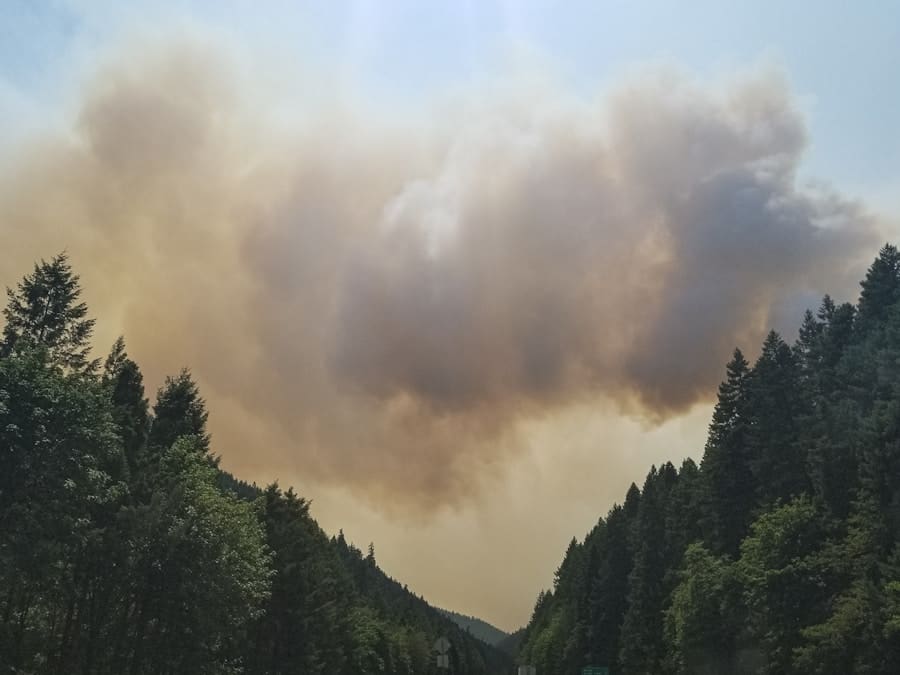
Forest recovery is a critical component in the healing process following a wildfire. Nature has an incredible ability to regenerate, but this process can be slow and requires favorable conditions. After a fire, the landscape may appear barren, but beneath the surface, seeds and roots are often waiting for the right moment to sprout.
Native plants play a vital role in stabilizing soil and providing habitat for wildlife, making their recovery essential for ecosystem restoration. In many cases, forest recovery is aided by human intervention. Reforestation efforts can help accelerate the regrowth process by introducing native species that are well-suited to the local environment.
Organizations such as the National Forest Foundation have initiated programs aimed at restoring fire-affected areas through planting initiatives and community engagement. These efforts not only contribute to ecological recovery but also foster a sense of stewardship among local residents.
The Importance of Preserving and Restoring Wildfire-Affected Landscapes
Preserving and restoring wildfire-affected landscapes is essential for maintaining biodiversity and ecosystem health. As climate change continues to exacerbate wildfire frequency and intensity, proactive measures must be taken to protect these vulnerable areas. Restoration efforts can help mitigate the impacts of future fires by enhancing resilience through improved land management practices.
One effective strategy is the implementation of controlled burns, which can reduce fuel loads and promote healthy forest ecosystems. According to the U.S. Forest Service, prescribed burns can significantly decrease the likelihood of catastrophic wildfires while simultaneously benefiting wildlife habitats.
By prioritizing preservation and restoration, communities can work towards creating landscapes that are not only beautiful but also resilient in the face of future challenges.
Mitigating the Environmental and Ecological Impacts of Wildfires
Mitigating the environmental and ecological impacts of wildfires requires a multifaceted approach that encompasses prevention, preparedness, and recovery strategies. One key aspect is community education on fire safety and land management practices. By fostering awareness about the importance of maintaining defensible space around homes and properties, residents can play an active role in reducing fire risk.
Additionally, investing in infrastructure improvements such as firebreaks and controlled access points can help manage wildfire spread. According to a report from the National Interagency Fire Center, effective fire management strategies can reduce wildfire severity by up to 50%. This statistic highlights the importance of proactive measures in safeguarding both human communities and natural ecosystems from devastating fires.
The Resilience of Ecosystems in the Face of Wildfire Destruction
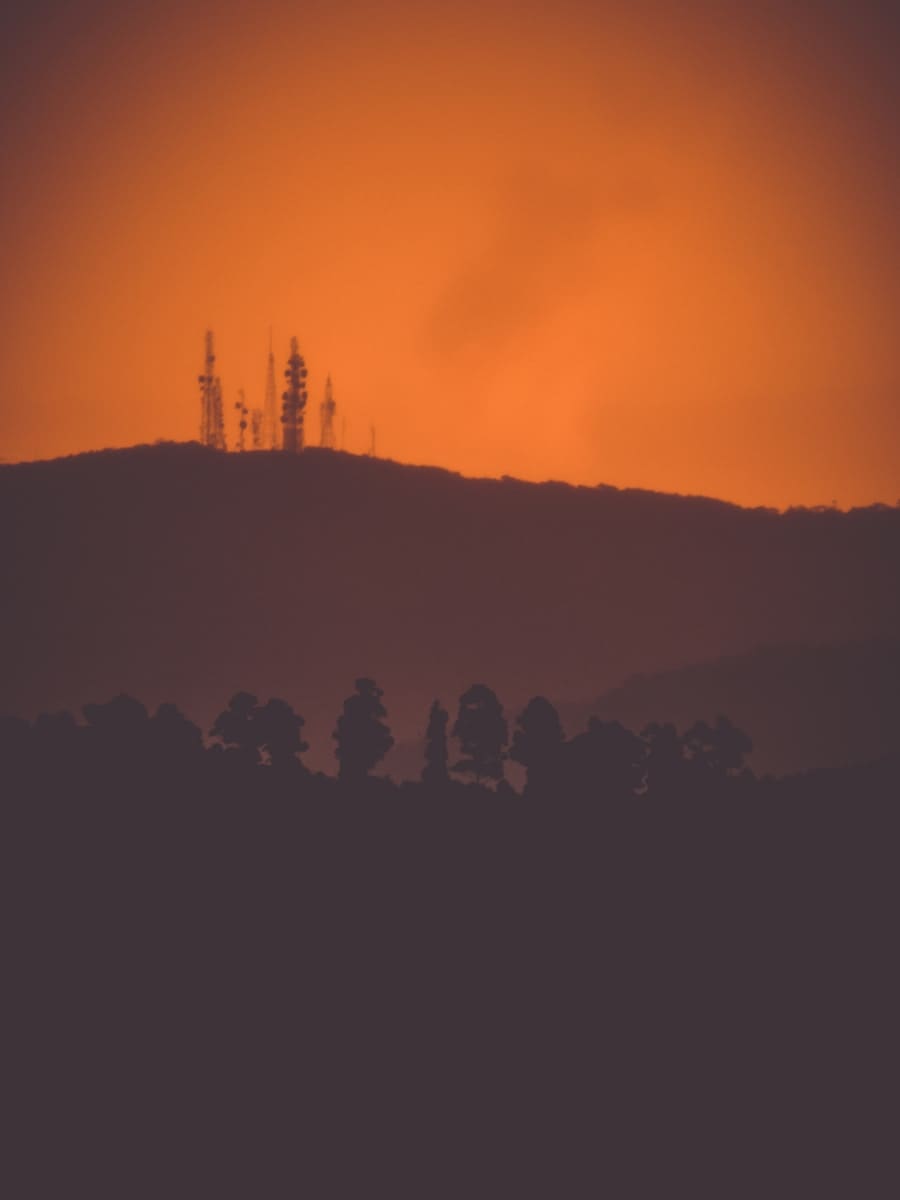
Despite the destruction caused by wildfires, ecosystems possess remarkable resilience that allows them to recover over time. Many plant species have adapted to thrive in post-fire environments, utilizing fire as a catalyst for growth. For instance, certain coniferous trees rely on heat from fires to release their seeds, ensuring their propagation in nutrient-rich soil.
Moreover, wildlife populations often exhibit resilience as well. Species such as deer and elk may return to burned areas in search of new growth, while birds may benefit from increased visibility in previously dense forests. This natural cycle of destruction and regeneration serves as a testament to nature’s ability to heal itself, reminding us of the importance of allowing ecosystems to recover without excessive human interference.
The Human Role in Preventing and Managing Wildfires
Humans play a pivotal role in both preventing and managing wildfires. As climate change continues to alter weather patterns and increase temperatures, understanding our impact on fire dynamics is crucial. Activities such as land development, logging, and agricultural practices can contribute to increased fire risk if not managed responsibly.
Community engagement is essential in wildfire prevention efforts. Local organizations can facilitate workshops on fire safety, promote responsible land use practices, and encourage residents to participate in fire prevention initiatives. By fostering a culture of awareness and responsibility, communities can work together to mitigate wildfire risks while preserving their natural landscapes.
Finding Hope and Beauty in the Regeneration of Wildfire-Affected Landscapes
Amidst the devastation caused by wildfires lies an opportunity for renewal and beauty. The regeneration process often brings forth vibrant new growth that transforms charred landscapes into lush habitats teeming with life. Wildflowers bloom in abundance after fires, creating stunning displays that attract pollinators and other wildlife.
This cycle of destruction and rebirth serves as a powerful reminder of nature’s resilience. Conservationists and environmentalists can find hope in witnessing how ecosystems adapt and thrive after adversity. By supporting restoration efforts and engaging with local communities, individuals can contribute to the healing process while fostering a deeper appreciation for the beauty that emerges from even the most challenging circumstances.
In conclusion, understanding the multifaceted impacts of wildfires on landscapes is essential for fostering resilience in both ecosystems and communities. By prioritizing preservation, restoration, and proactive management strategies, we can work towards mitigating future wildfire risks while celebrating the beauty that emerges from regeneration. Engaging with local initiatives and advocating for sustainable practices will empower individuals at all levels to contribute positively to their environments.
Together, we can ensure that our beloved landscapes continue to thrive for generations to come. **Image Placement Recommendations:**
1. Image of a burned landscape with new growth emerging (Alt text: “Regeneration after wildfire showing new plant growth”).
2.
Infographic illustrating the ecological impacts of wildfires (Alt text: “Infographic detailing long-term ecological impacts of wildfires”).
3. Photo of community members participating in reforestation efforts (Alt text: “Community volunteers planting trees in wildfire-affected area”).
4. Scenic view of a vibrant post-fire landscape with blooming wildflowers (Alt text: “Beautiful landscape showcasing wildflowers blooming after wildfire”).