

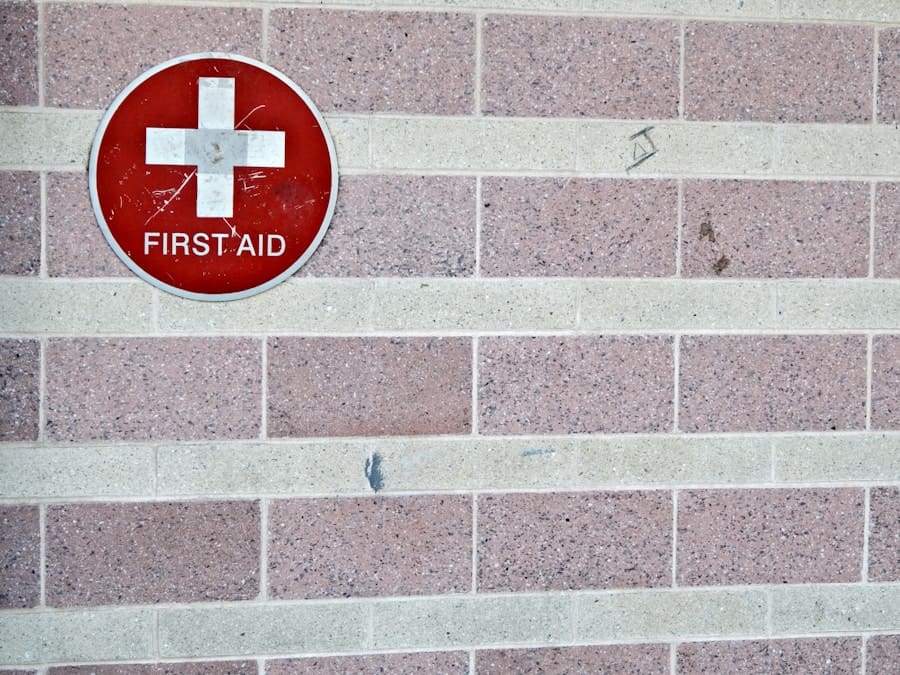

Wilderness first aid is a critical skill set for outdoor enthusiasts, whether they are seasoned adventurers or weekend hikers. Unlike traditional first aid, which is often performed in controlled environments with immediate access to medical facilities, wilderness first aid requires individuals to be resourceful and knowledgeable in managing injuries and illnesses in remote settings. This specialized training emphasizes the importance of assessing situations, prioritizing care, and improvising with available resources.
The wilderness can present unique challenges, from unpredictable weather to limited access to medical supplies. Understanding the principles of wilderness first aid equips outdoor lovers with the tools they need to respond effectively to emergencies. This knowledge not only enhances personal safety but also fosters a sense of confidence and preparedness that can be invaluable during outdoor excursions.
As the saying goes, “An ounce of prevention is worth a pound of cure,” and this rings especially true in the wilderness where timely intervention can make all the difference.
Key Takeaways
- Wilderness first aid is essential for anyone venturing into remote areas
- Cuts and scrapes should be cleaned with water and covered with a sterile bandage
- Sprains and strains can be treated with rest, ice, compression, and elevation (R.I.C.E)
- Insect bites and stings can be managed with antihistamines and cold compresses
- Burns and sunburn should be cooled with water and covered with a clean, dry cloth
Assessing and Treating Cuts and Scrapes
Assessing the Severity of the Injury
The first step in addressing cuts and scrapes is to assess the severity of the injury.
Treating Minor Wounds
For minor wounds, cleaning the area with clean water and applying an antiseptic can help prevent infection. It’s essential to keep the wound clean and covered with a sterile bandage to promote healing.
Treating Deeper Cuts and Seeking Medical Assistance
For deeper cuts that may require stitches or more advanced care, it’s crucial to apply direct pressure to control bleeding. If bleeding persists after several minutes of pressure, it may be necessary to elevate the injured area above the heart level. In such cases, seeking professional medical assistance as soon as possible is vital. Outdoor enthusiasts should always carry a well-stocked first aid kit that includes adhesive bandages, antiseptic wipes, and gauze pads to address these common injuries effectively.
Dealing with Sprains and Strains
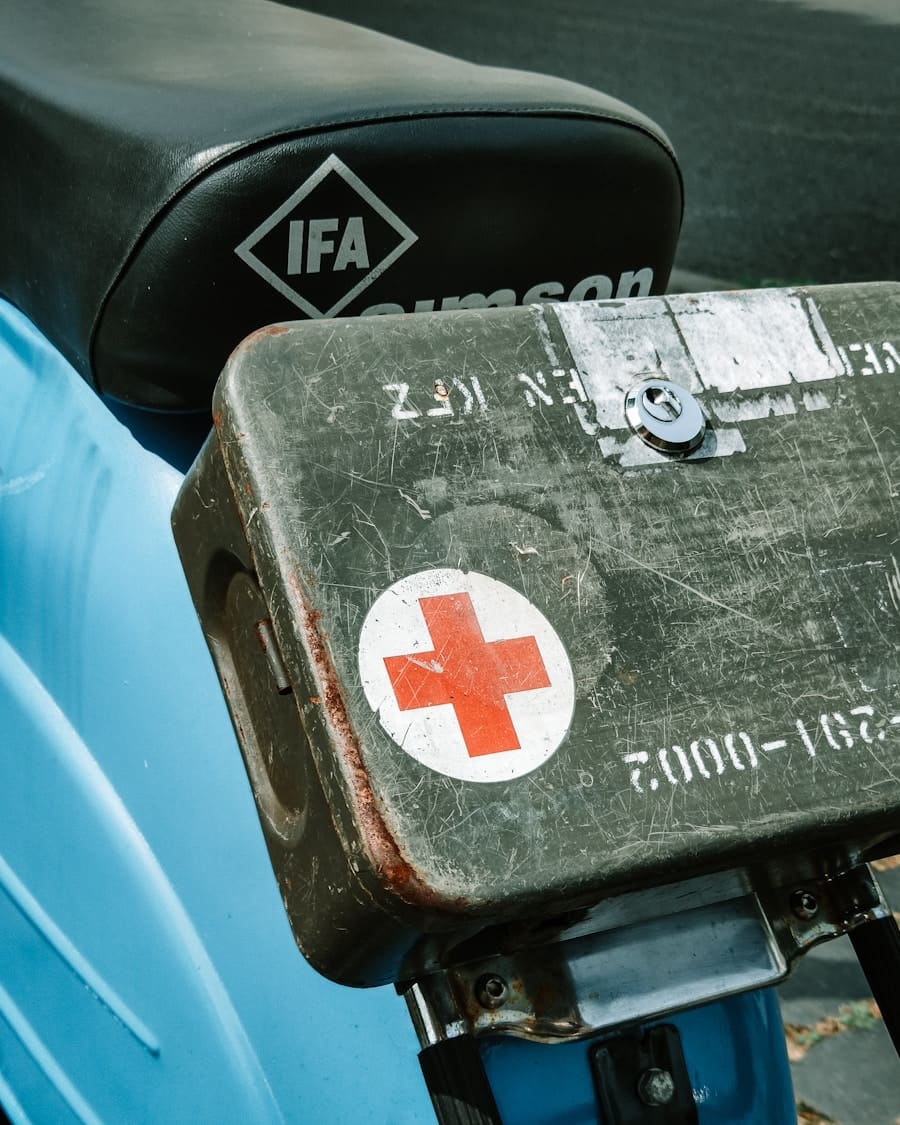
Sprains and strains are frequent occurrences in outdoor activities, particularly in hiking, climbing, or any sport that involves physical exertion. A sprain occurs when ligaments are stretched or torn, while a strain involves muscles or tendons. Recognizing the symptoms—such as swelling, bruising, and pain—is crucial for effective treatment.
The R.
– R.
– Rest the injured area.
– Apply ice for 15-20 minutes.
– Use compression bandages.
– Elevate the limb above heart level.
Managing Insect Bites and Stings
Minor Insect Bites
For minor insect bites, washing the area with soap and water can help reduce irritation. Applying a cold compress can alleviate swelling and discomfort.
Severe Reactions and Allergies
However, if an individual experiences symptoms such as difficulty breathing, swelling of the face or throat, or rapid heartbeat after a sting from a bee or wasp, it is crucial to seek emergency medical assistance immediately. Carrying an epinephrine auto-injector (EpiPen) is advisable for those with known allergies.
Tips for Managing Insect Bites
– Wash the bite area with soap and water.
– Apply a cold compress for swelling.
– Monitor for allergic reactions.
– Carry an EpiPen if allergic.
Handling Burns and Sunburn
Burns can occur from various sources during outdoor activities—campfires, hot surfaces, or even sun exposure. Understanding how to treat burns effectively is vital for ensuring safety in the wilderness. First-degree burns affect only the outer layer of skin and can be treated with cool water and aloe vera gel to soothe discomfort.
Second-degree burns involve deeper layers of skin and may require more intensive care. It’s essential not to pop blisters as this can lead to infection. Covering the burn with a sterile dressing while keeping it clean is crucial for healing.
Sunburns are another common issue faced by outdoor lovers; applying sunscreen before exposure and reapplying regularly can help prevent sunburns from occurring in the first place. – Steps for treating burns:
– Cool the burn under running water.
– Apply aloe vera gel for soothing relief.
– Cover second-degree burns with sterile dressings.
– Prevent sunburn by using sunscreen.
Recognizing and Treating Hypothermia and Heat Exhaustion
Hypothermia and heat exhaustion are two extremes of temperature-related illnesses that outdoor enthusiasts must be aware of during their adventures. Hypothermia occurs when body temperature drops below normal due to prolonged exposure to cold conditions. Symptoms include shivering, confusion, and fatigue.
Immediate action is required: moving the individual to a warmer environment, removing wet clothing, and providing warm fluids can help restore body temperature. Conversely, heat exhaustion results from excessive heat exposure and dehydration. Symptoms include heavy sweating, weakness, dizziness, and nausea.
To treat heat exhaustion, it’s essential to move the person to a cooler area, provide hydration with electrolyte-rich fluids, and encourage rest until symptoms subside. Understanding these conditions allows outdoor lovers to recognize early signs and take appropriate action before they escalate into more severe health issues. – Key points for recognizing temperature-related illnesses:
– Hypothermia: shivering, confusion; treat by warming.
– Heat exhaustion: heavy sweating, weakness; treat by cooling down.
– Always monitor hydration levels during activities.
Addressing Poisonous Plant Exposure
Poisonous plants such as poison ivy, poison oak, and poison sumac can pose significant risks during outdoor excursions. Contact with these plants can lead to allergic reactions characterized by itchy rashes and blisters. Recognizing these plants is crucial for prevention; familiarizing oneself with their appearance can help avoid accidental exposure.
In case of contact with poisonous plants, washing the affected area with soap and water as soon as possible is essential to remove any oils that may cause irritation. Over-the-counter antihistamines or hydrocortisone cream can alleviate itching and inflammation. For severe reactions or if blisters develop extensively, seeking medical attention is advisable.
– Tips for avoiding poisonous plants:
– Learn to identify poison ivy, oak, and sumac.
– Wear long sleeves and pants when hiking in areas where they may grow.
– Wash skin immediately after potential contact.
Utilizing First Aid Kits and Resources in the Wilderness
A well-stocked first aid kit is an indispensable resource for anyone venturing into the wilderness. It should contain essential items such as adhesive bandages, antiseptic wipes, gauze pads, tweezers for splinters or ticks, pain relievers like ibuprofen or acetaminophen, and any personal medications needed by group members. Regularly checking the kit before each trip ensures that supplies are up-to-date.
In addition to physical supplies, having access to wilderness first aid resources—such as instructional books or mobile apps—can enhance preparedness. Many organizations offer wilderness first aid courses that provide hands-on training in emergency response techniques tailored for outdoor settings. Investing time in learning these skills not only increases safety but also builds confidence among outdoor enthusiasts.
– Essential items for a wilderness first aid kit:
– Adhesive bandages of various sizes.
– Antiseptic wipes for cleaning wounds.
– Gauze pads and tape for larger injuries.
– Pain relievers like ibuprofen or acetaminophen. In conclusion, understanding wilderness first aid is vital for anyone who enjoys spending time outdoors. By familiarizing themselves with common injuries and illnesses—ranging from cuts and sprains to insect bites and temperature-related conditions—outdoor lovers can ensure their safety while enjoying nature’s beauty.
Carrying a well-stocked first aid kit and knowing how to use its contents empowers individuals to respond effectively in emergencies. As you prepare for your next adventure, consider taking a wilderness first aid course to enhance your skills further; being prepared not only protects you but also those around you in times of need.
FAQs
What is wilderness first aid?
Wilderness first aid is the knowledge and skills necessary to provide emergency medical care in remote or outdoor settings where professional medical help may not be readily available.
What are some common injuries that can occur on the trail?
Common injuries that can occur on the trail include sprains, strains, cuts, scrapes, blisters, insect bites, and burns.
What are some essential items to include in a wilderness first aid kit?
Essential items to include in a wilderness first aid kit are adhesive bandages, gauze pads, adhesive tape, antiseptic wipes, tweezers, scissors, a splint, a CPR mask, and a first aid manual.
How should a sprain or strain be treated in a wilderness setting?
A sprain or strain should be treated by resting the injured area, applying ice if available, compressing the area with a bandage, and elevating the injured limb.
What is the best way to treat a cut or scrape on the trail?
A cut or scrape should be cleaned with antiseptic wipes, covered with a sterile bandage, and monitored for signs of infection.
How can blisters be prevented and treated while hiking?
Blisters can be prevented by wearing properly fitting footwear and moisture-wicking socks. If a blister does develop, it should be covered with a blister bandage or moleskin to reduce friction.
What should be done in the event of a snake or insect bite in the wilderness?
In the event of a snake or insect bite, the affected area should be cleaned, immobilized, and the victim should be evacuated to a medical facility as soon as possible.