

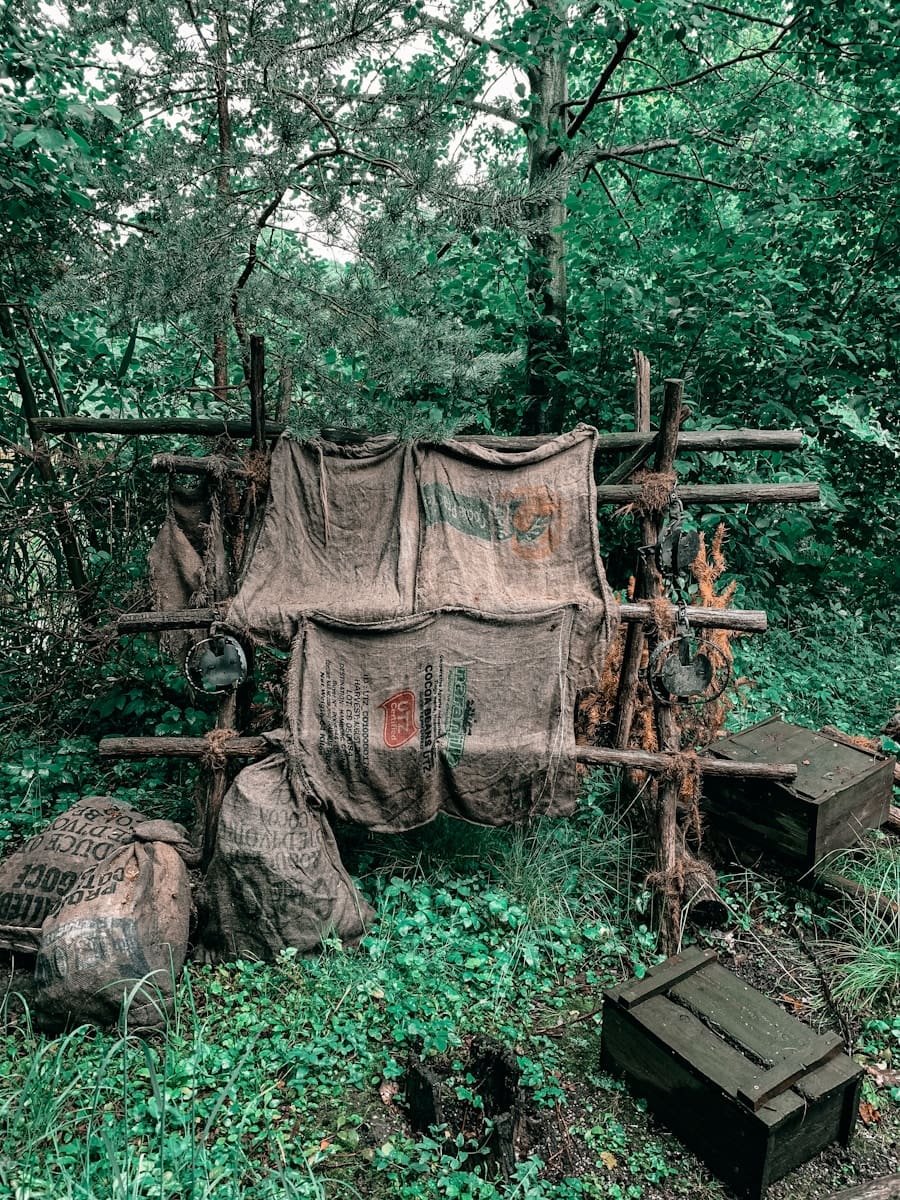

In the great outdoors, the unexpected can happen at any moment. Whether you’re an experienced hiker or a novice camper, understanding the importance of emergency shelters is crucial for survival. An emergency shelter serves as a protective haven against the elements, providing warmth, safety, and a place to regroup during unforeseen circumstances.
According to the National Outdoor Leadership School (NOLS), having a reliable shelter can significantly increase your chances of survival in adverse weather conditions. Emergency shelters are not just for extreme situations; they can also be invaluable during minor mishaps. For instance, if a day hike turns into an overnight ordeal due to injury or sudden weather changes, knowing how to construct a makeshift shelter can mean the difference between life and death.
The ability to create a safe space allows outdoor enthusiasts to manage their resources effectively while waiting for help or planning their next move.
Key Takeaways
- Emergency shelters are crucial for survival in extreme conditions and should be prioritized in emergency preparedness plans.
- The right location for an emergency shelter is essential for protection from the elements and accessibility to resources.
- Basic tools and materials such as a knife, rope, and natural materials are necessary for building emergency shelters.
- Debris hut shelters are effective for insulation and protection from the elements in a survival situation.
- Lean-to shelters are quick and easy to build, providing protection from wind and rain in emergency situations.
- Tarp shelters are versatile and can be easily constructed using a tarp and some basic tools.
- Making your emergency shelter weatherproof is important for staying dry and warm in extreme conditions.
- Safety and survival tips for using emergency shelters include proper ventilation, fire safety, and insulation to stay warm.
Choosing the Right Location for Your Emergency Shelter
Assessing the Terrain
Ideally, look for a flat area that is free from debris and hazards such as falling branches or flooding. The ground should be dry and level, allowing for a stable base for your shelter.
Proximity to Natural Resources
Additionally, consider the proximity to natural resources. Being near water sources is advantageous, but it’s essential to avoid low-lying areas that may flood during rain.
Natural Protection from the Elements
Look for natural windbreaks like trees or hills that can shield you from harsh winds. According to survival expert Bear Grylls, “The best place to build a shelter is where you can find natural protection from the elements.” This advice underscores the importance of situational awareness in outdoor survival.
Basic Tools and Materials Needed for Building Emergency Shelters
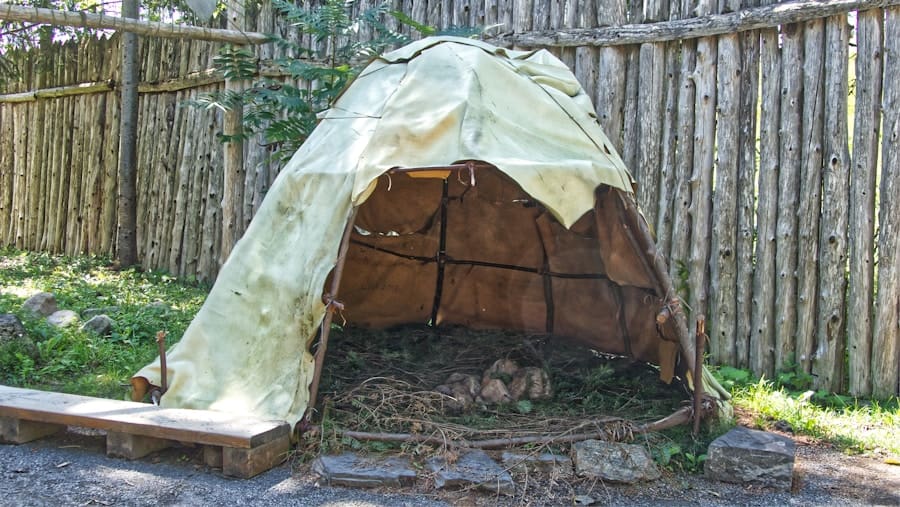
When it comes to constructing an emergency shelter, having the right tools and materials can make the process smoother and more efficient. While many shelters can be built using natural resources found in the environment, certain tools can enhance your ability to create a sturdy structure. A multi-tool or knife is essential for cutting branches and rope, while paracord can be invaluable for securing various components of your shelter.
In addition to tools, consider gathering materials that will provide insulation and protection. Leaves, pine needles, and grass can serve as excellent insulation when layered on the ground or used to cover your shelter. If you have access to a tarp or emergency blanket, these items can significantly improve your shelter’s effectiveness against wind and rain.
Remember that improvisation is key; even items like a backpack or sleeping bag can be integrated into your shelter design.
Techniques for Building a Debris Hut Shelter
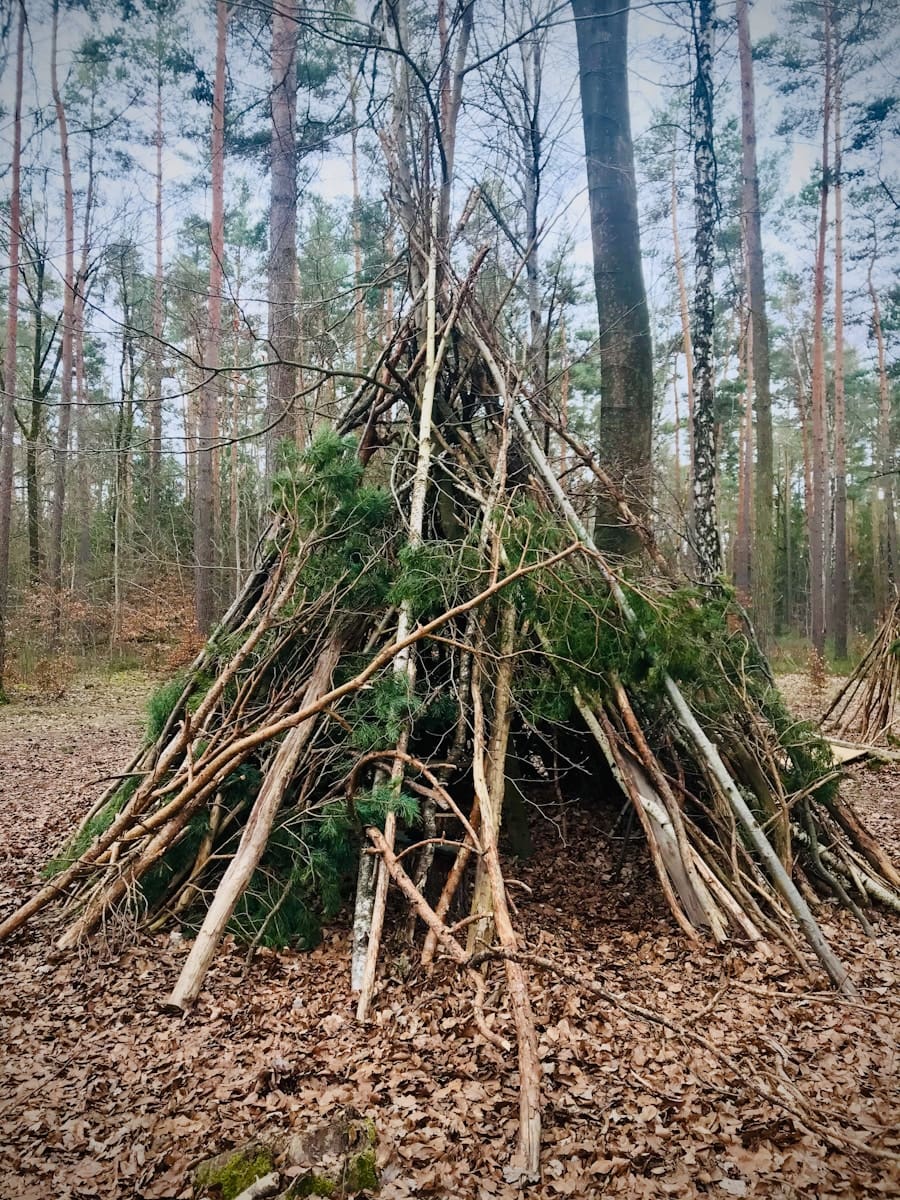
The debris hut is one of the most effective emergency shelters you can build using natural materials. This type of shelter relies on insulation from debris to keep you warm and protected from the elements. To construct a debris hut, start by finding a sturdy branch or log that will serve as the main support beam.
Lean smaller branches against this beam to create a framework resembling an A-frame. Once the frame is established, begin layering debris such as leaves, grass, and pine needles over the structure. Aim for at least 12 inches of insulation to ensure warmth during cold nights.
The entrance should be small enough to retain heat but large enough for you to enter comfortably. According to survival expert Cody Lundin, “A well-built debris hut can keep you warm even in freezing temperatures.” This emphasizes the importance of proper insulation in your shelter design.
Techniques for Building a Lean-To Shelter
The lean-to shelter is another popular choice among outdoor enthusiasts due to its simplicity and effectiveness. To build a lean-to, find two sturdy trees or logs that are parallel to each other and about six feet apart. Use a long branch as the main support beam, leaning it against one of the trees at an angle.
This will form the backbone of your shelter. Next, gather smaller branches and lean them against the support beam to create a roof-like structure. Fill in gaps with leaves and other debris to enhance insulation and protection from rain.
The open side should face away from prevailing winds, ensuring that you remain sheltered from harsh weather conditions. Lean-tos are particularly effective in areas with abundant natural materials, making them an excellent choice for both beginners and seasoned adventurers.
Techniques for Building a Tarp Shelter
Key Benefits of Tarp Shelters
Tarps are incredibly lightweight and compact, making them perfect for backpacking trips where space is limited.
Setting Up a Tarp Shelter
To construct a tarp shelter, start by finding two trees or sturdy anchors that are approximately six feet apart. Secure one end of the tarp to one tree using paracord or rope. Next, stretch the tarp taut across to the other tree and secure it at an angle that allows rainwater to run off effectively.
Versatility for All Users
You can create various configurations depending on weather conditions; for example, a simple A-frame design works well in light rain, while a more enclosed setup may be necessary during heavy downpours. The versatility of tarp shelters makes them suitable for both beginners looking for quick solutions and advanced users seeking innovative designs.
Tips for Making Your Emergency Shelter Weatherproof
Creating a weatherproof emergency shelter requires attention to detail and an understanding of environmental factors. Start by ensuring that your shelter has adequate drainage; avoid building in low-lying areas where water may accumulate during rainstorms. Elevating your sleeping area with logs or branches can also help keep you dry.
Insulation is another critical factor in weatherproofing your shelter. Use natural materials like leaves and pine needles not only for warmth but also as barriers against wind and moisture. Additionally, consider creating windbreaks using logs or rocks around your shelter’s entrance to minimize exposure to harsh winds.
Finally, always check the forecast before heading out on your adventure. Being aware of potential weather changes allows you to prepare your shelter accordingly, ensuring that it remains effective in various conditions.
Safety and Survival Tips for Using Emergency Shelters
While building an emergency shelter is an essential skill, knowing how to use it effectively is equally important for survival. First and foremost, always prioritize safety by ensuring that your shelter is stable and secure before entering it. Regularly check for signs of structural weakness or potential hazards like falling branches.
Additionally, maintain situational awareness while inside your shelter. Keep an eye on changing weather conditions and be prepared to adapt your plans if necessary. If you find yourself in an extended survival situation, ration your food and water wisely while staying warm and dry.
Lastly, practice makes perfect; familiarize yourself with building different types of shelters before heading into the wilderness. This preparation will not only boost your confidence but also enhance your overall outdoor experience. In conclusion, understanding how to build an emergency shelter is an invaluable skill for outdoor enthusiasts of all experience levels.
By choosing the right location, utilizing basic tools and materials, and mastering various construction techniques, individuals can significantly increase their chances of survival in unexpected situations. Whether you’re embarking on a day hike or planning an extended camping trip, being prepared with knowledge about emergency shelters will empower you to face challenges head-on. For those eager to engage further with this topic, consider sharing your own experiences with emergency shelters or asking questions about specific techniques in outdoor forums or social media groups dedicated to wilderness survival.
Your insights could inspire others on their outdoor journeys! **Image Placement Suggestions:**
1. Image of a well-constructed debris hut with alt text: “A sturdy debris hut built using natural materials.”
2.
Image showing the construction process of a lean-to shelter with alt text: “Step-by-step construction of a lean-to shelter in the woods.”
3. Image of various tarp configurations set up in different environments with alt text: “Versatile tarp shelters set up in diverse outdoor settings.”
4. Image depicting an individual inside an emergency shelter during inclement weather with alt text: “A hiker safely sheltered from rain inside an emergency structure.”
FAQs
What are emergency shelters?
Emergency shelters are temporary structures built to provide protection and safety during natural disasters or other emergency situations. They are designed to be quickly assembled using minimal materials and tools.
What are some simple techniques for building emergency shelters?
Some simple techniques for building emergency shelters include using natural materials such as branches, leaves, and grass to create a lean-to or debris hut. Tarpaulins or emergency blankets can also be used to construct a basic shelter.
What are the key considerations when building an emergency shelter?
When building an emergency shelter, it is important to consider the location, weather conditions, available materials, and the number of people the shelter needs to accommodate. It is also important to ensure the shelter is well-ventilated and provides protection from the elements.
What are some common types of emergency shelters?
Common types of emergency shelters include lean-tos, debris huts, tarp shelters, and snow caves. Each type of shelter is suited to different environmental conditions and can be constructed using simple techniques and materials.
Why is it important to know how to build an emergency shelter?
Knowing how to build an emergency shelter is important for survival in emergency situations where access to traditional housing may be limited or unavailable. Being able to construct a shelter can provide protection from the elements and help ensure safety and well-being until help arrives.