
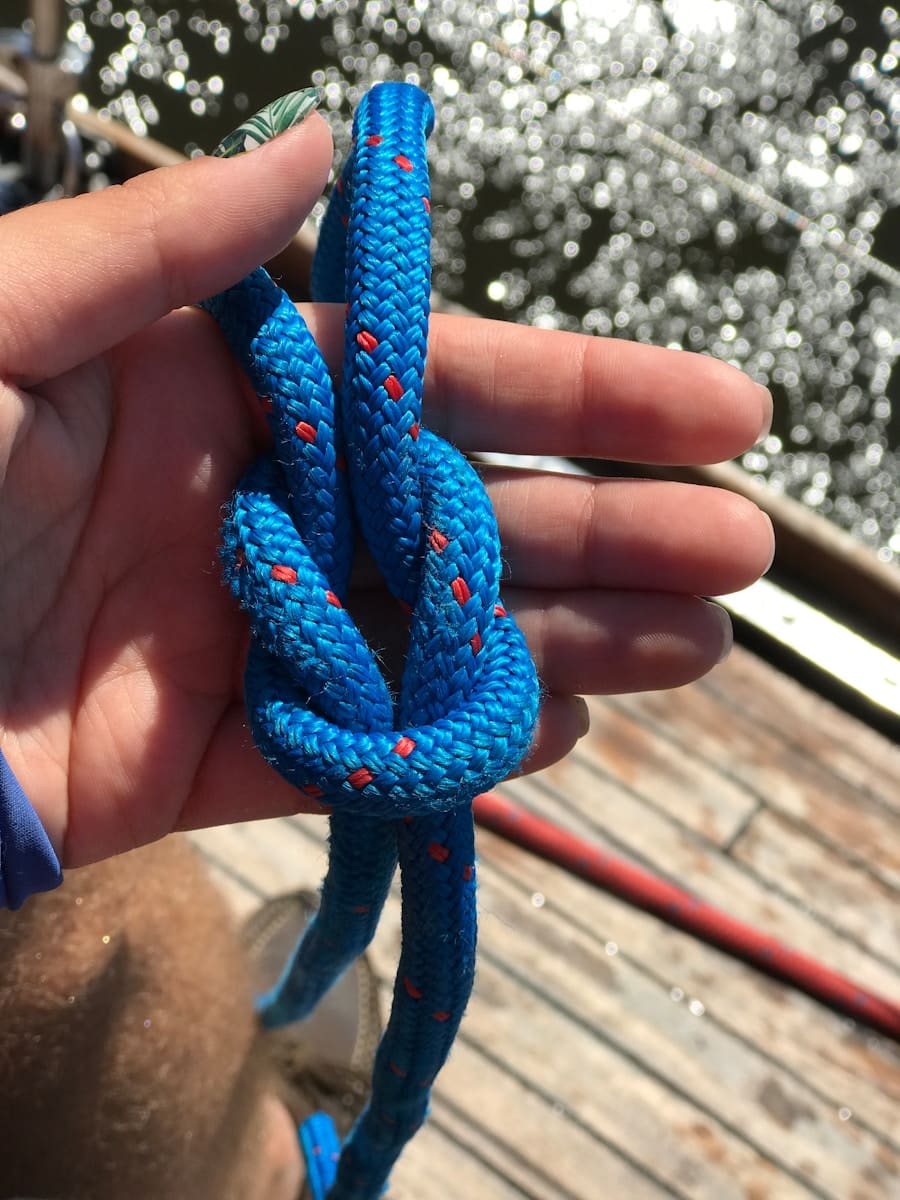

For outdoor enthusiasts, the ability to tie knots is not just a useful skill; it is an essential part of ensuring safety and efficiency in various activities. Whether one is hiking, camping, climbing, or fishing, knowing how to tie the right knot can make a significant difference in the success of an adventure. Knots serve multiple purposes, from securing gear to creating shelters, and even in emergency situations.
A well-tied knot can mean the difference between a safe experience and a potentially dangerous one. Moreover, understanding knot tying fosters a deeper connection with nature. It encourages outdoor lovers to engage more fully with their environment, as they learn to adapt and respond to the challenges presented by the wilderness.
As such, mastering knot tying is not merely a practical skill; it is a rite of passage for many adventurers. With the right knowledge, anyone can enhance their outdoor experience and ensure they are prepared for whatever nature throws their way.
Key Takeaways
- Knowing how to tie knots is crucial for outdoor adventurers to ensure safety and security in various situations.
- Essential knots for outdoor activities include the figure-eight knot, bowline knot, and clove hitch for securing gear and setting up shelter.
- Mastering camping knots is essential for setting up shelter and securing gear in outdoor environments.
- Survival knots such as the taut-line hitch and the double fisherman’s knot can be lifesaving in emergency situations.
- Understanding the strengths and limitations of different knots is important for choosing the right knot for the right situation.
Essential Knot Tying Guide for Outdoor Activities
Reliable and Adjustable Knots
The bowline, for instance, is renowned for its ease of untying after being loaded. This knot creates a fixed loop at the end of a rope, making it ideal for securing items or creating a rescue loop. Another vital knot is the taut-line hitch, which allows for adjustable tension on lines, perfect for securing tents or tarps in varying weather conditions.
Secure Connections
For those venturing into climbing or canyoneering, the figure-eight knot is indispensable. This knot provides a strong and secure connection to harnesses and is easy to inspect for safety.
Versatile Knots
Additionally, the clove hitch is favored for its versatility; it can be used to attach a rope to a post or tree quickly. Each of these knots serves specific purposes and can significantly enhance an outdoor experience when used correctly.
Mastering Camping Knots for Setting Up Shelter and Securing Gear
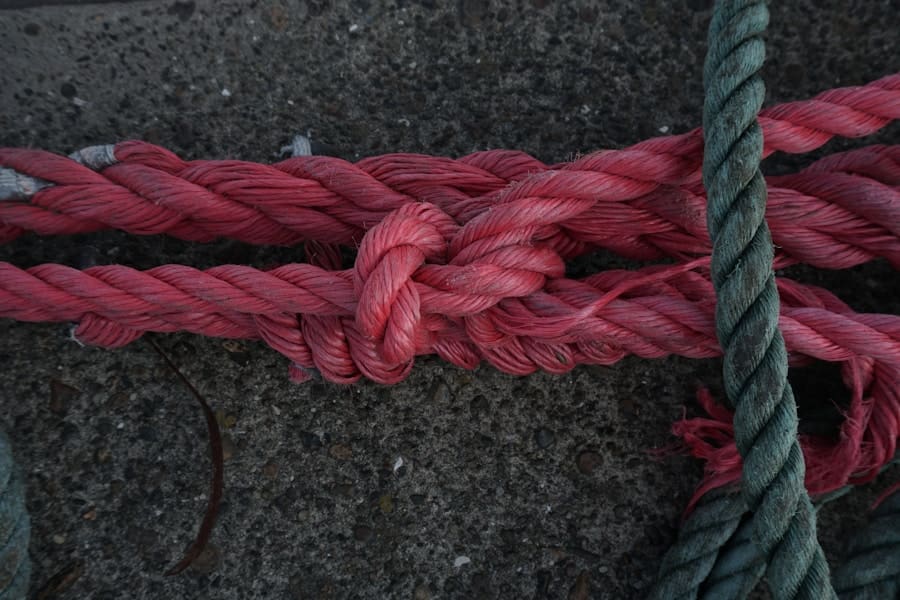
Setting up camp requires a solid understanding of camping knots that can withstand the elements. The square knot, also known as the reef knot, is particularly useful for tying two ends of rope together securely. This knot is often used in first aid situations as well, making it doubly valuable for outdoor adventurers.
When securing tents or tarps, the taut-line hitch comes into play again, allowing campers to adjust the tension as needed. In addition to these knots, the bowline is crucial for creating loops that can be used to secure gear or even hoist items off the ground. For example, when setting up a bear bag to keep food away from wildlife, a bowline can create a secure loop around the bag that won’t slip under weight.
Mastering these camping knots not only enhances safety but also contributes to a more enjoyable camping experience.
Survival Knots: Lifesaving Techniques for Emergency Situations
In survival scenarios, knowing how to tie specific knots can be lifesaving. The double fisherman’s knot is essential for joining two lengths of rope together securely, which can be critical when creating makeshift harnesses or rescue lines. This knot is particularly useful in situations where one might need to rappel down a cliff or create a safety line across a river.
Another important survival knot is the prusik knot, which allows a rope to slide when not under load but grips tightly when weight is applied. This knot can be invaluable in climbing situations or when ascending or descending steep terrain. Understanding these survival knots equips adventurers with the skills needed to navigate emergencies effectively and safely.
Understanding the Strengths and Limitations of Different Knots
Each knot has its strengths and limitations that outdoor enthusiasts must understand to use them effectively. For instance, while the bowline is strong and reliable, it can slip under certain conditions if not properly secured. Conversely, the square knot is easy to tie but may come undone under heavy loads or if subjected to twisting forces.
It’s also important to consider the material of the rope being used. Some knots perform better with certain types of rope—nylon ropes may require different techniques than natural fiber ropes. By understanding these nuances, adventurers can select the most appropriate knot for their specific needs and conditions.
Tips for Practicing and Perfecting Your Knot Tying Skills
Real-World Practice
Setting aside time during outdoor trips to practice tying knots can also reinforce learning in real-world scenarios.
Visual Aids and Expert Guidance
Additionally, visual aids such as instructional videos or diagrams can be incredibly helpful. Many outdoor organizations offer workshops or classes focused on knot tying, providing hands-on experience with expert guidance.
Learning from Others
Engaging with fellow outdoor enthusiasts can also foster a supportive learning environment where individuals can share tips and techniques.
Common Mistakes to Avoid When Tying Knots
Even seasoned adventurers can make mistakes when tying knots, which can lead to dangerous situations. One common error is failing to dress the knot properly—ensuring that all parts of the knot are aligned and snug before securing it. A poorly dressed knot may slip or come undone under pressure.
Another mistake is using the wrong knot for the task at hand. Each knot has its specific purpose; using a square knot instead of a bowline could result in failure when securing gear. It’s crucial for outdoor lovers to familiarize themselves with the appropriate knots for their activities and practice them until they become second nature.
Resources for Further Knot Tying Education and Practice
For those looking to deepen their knowledge of knot tying, numerous resources are available. Books such as “The Ultimate Guide to Knots” provide comprehensive insights into various knots and their applications in outdoor activities. Online platforms like YouTube feature countless tutorials that visually demonstrate how to tie different knots step-by-step.
Additionally, local outdoor clubs often host workshops where participants can learn from experienced instructors in a hands-on environment. Engaging with these resources not only enhances one’s skills but also connects adventurers with like-minded individuals who share a passion for the outdoors. In conclusion, mastering knot tying is an invaluable skill for outdoor adventurers of all experience levels.
By understanding the importance of knots, practicing essential techniques, and avoiding common mistakes, individuals can significantly enhance their outdoor experiences. Whether setting up camp or navigating emergency situations, being equipped with knot know-how ensures safety and confidence in any adventure. Outdoor lovers are encouraged to explore resources available in their communities and online to continue honing their skills and knowledge in this critical area of outdoor expertise.
FAQs
What are essential knots for outdoor adventurers to master?
Some essential knots for outdoor adventurers to master include the figure-eight knot, bowline knot, clove hitch, taut-line hitch, and the double fisherman’s knot.
Why is it important for outdoor adventurers to know how to tie essential knots?
Knowing how to tie essential knots is important for outdoor adventurers because it can be crucial for setting up shelters, securing gear, creating rescue systems, and performing other essential tasks in the outdoors.
How can outdoor adventurers learn to tie essential knots?
Outdoor adventurers can learn to tie essential knots through practice, instructional videos, books, and by taking courses or workshops on knot tying.
What are some common uses for the figure-eight knot?
The figure-eight knot is commonly used for creating a secure loop at the end of a rope, such as for attaching a climber to a harness or securing a rope to an anchor.
What is the purpose of the bowline knot?
The bowline knot is used to create a secure loop that will not slip or bind under load, making it useful for tasks such as securing a line to a tree or creating a loop in the middle of a rope.