

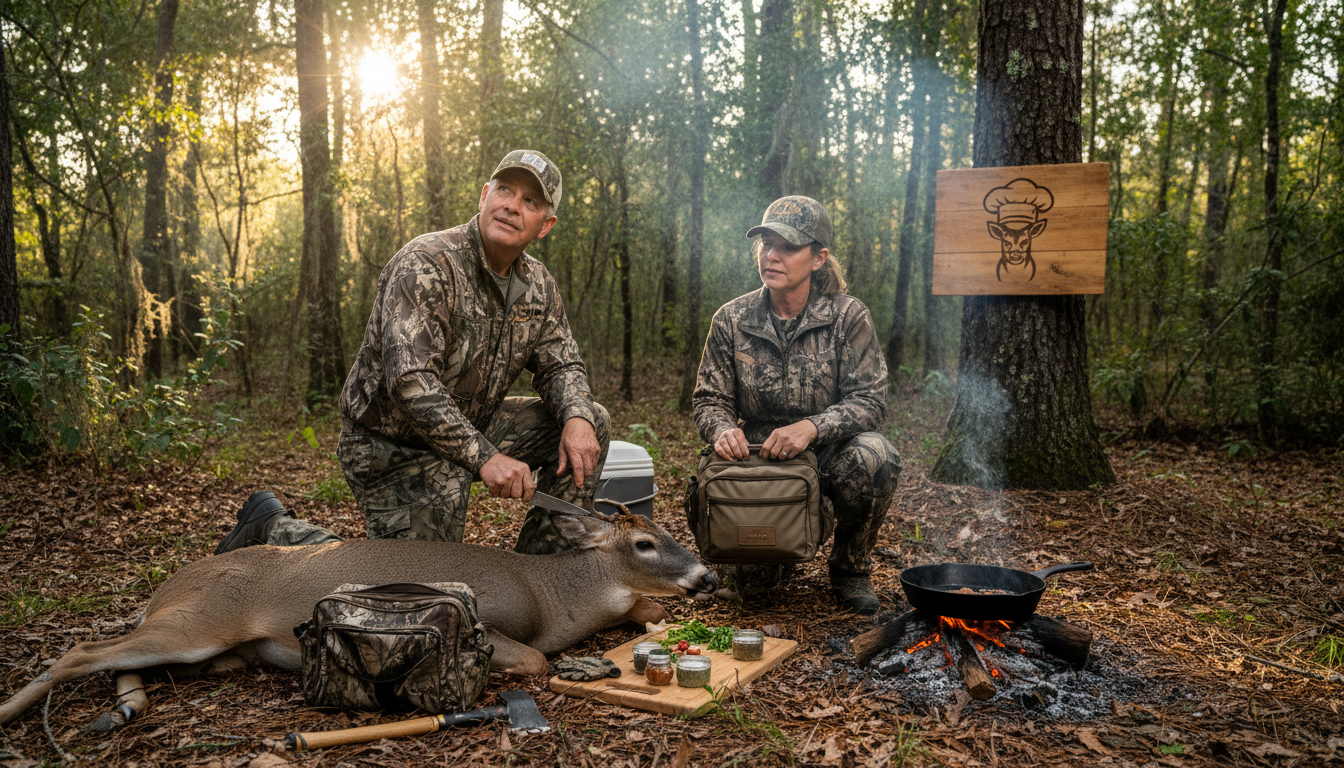

The Art of Deer Processing: Elevating Venison Preparation in the Field
A Tradition of Aging: Grider’s Method for Tender Venison
In the heart of Alabama’s hunting season, seasoned outdoorsman Grider embodies the practical artistry of venison processing. Lacking a walk-in cooler, he adapts by quartering deer and placing the meat into large ice chests—a method rooted in tradition but tailored for modern challenges.
“I place the meat in coolers to prevent water accumulation,” Grider explained. “Metal trays keep the venison elevated above the ice, and I keep the drain open to allow melted water to escape.” This meticulous approach reflects the importance of aging—the technique that allows the tissue to break down and tenderize, enhancing the quality of the meat.
“Typically, I age the venison for seven to ten days,” he continued. “While the cattle industry often hangs beef for three weeks or more, we must contend with warmer temperatures here in Alabama, sometimes in the 50s or higher. This means daily doses of fresh ice to maintain optimal conditions.”
Once the meat has aged, Grider transitions to the processing stage, skillfully transforming deer quarters into backstraps, tenderloins, and roasts. He emphasizes careful packaging to guard against freezer burn, ensuring his efforts yield the highest-quality venison for future meals.
The Versatility of Ground Venison
Grider leverages ground venison for a multitude of culinary applications, attesting to its versatility. “If the shoulder shows no signs of trauma, I often keep it whole; I find butchering it cumbersome. A friend introduced me to a fantastic preparation method for those shoulders.”
This culinary gem comes from Swanny Evans of Pheasants Forever, who recommends salting the shoulder overnight, then seasoning it with a barbecue rub before smoking at 220 degrees for four hours. The finishing touch? Roasting it on a bed of vegetables and simmering it with apple cider vinegar. “The result is tender meat that effortlessly shreds apart—suitable for everything from sandwiches to rich stews,” Grider stated.
The Challenges of Tracking and Recovery
Despite meticulous preparation, the field can present unforeseen challenges. Not every hunt concludes with a clean shot, and tracking may be necessary. “If an animal is gut-shot, it’s crucial to thoroughly clean the cavity, ensuring all gut contents are eliminated,” Grider advised. “Stress can cause cortisol production, adversely affecting the meat. In such cases, I generally grind the entire animal for dishes like spaghetti, lasagna, or chili.”
Grider maintains strict hygiene standards and ensures caution in determining the edibility of the meat. “If it’s over 50 degrees and it’s been more than four hours since the shot, I won’t consume that animal. You have to draw the line somewhere.”
Celebrating the Backstrap
Of course, the prized backstrap is a highlight of the deer, and Grider has his own methods for its preparation. Most commonly grilled, he uses leftover Martinelli’s sparkling cider—a holiday relic—as a tenderizing marinade. “I soak the backstrap for a few days, then slice it into sections, wrap them in bacon, and grill them hot and fast. The juxtaposition of the sweet cider and salty bacon creates an unmatched flavor experience.”
For simpler evenings, he often resorts to a classic: “I season it with salt and pepper, searing it in a hot cast-iron skillet until it develops a crispy outer layer. Medium rare is key for me. Melted butter over thin slices rounds out the experience—it’s as good as any steak you’ll find at a top-notch restaurant.”
Why It Matters
Beyond personal satisfaction, the practices of aging and preparing venison are pivotal for sustainability in hunting communities. Educating hunters about responsible meat handling can lead to better conservation practices, more respectful interactions with wildlife, and a returned focus on ethical hunting practices. This not only uplifts the hunter’s experience but also strengthens local economies reliant on outdoor recreation.
Field Insights: Pro-Tips for Venison Preparation
- Aging is Essential: Always aim for 7-10 days in cooler conditions; it drastically enhances flavor and tenderness.
- Correct Storage: Properly package venison to prevent freezer burn—this will ensure the quality remains intact long after the hunt.
- Food Safety First: Be mindful of temperature and time after a shot; prioritize hygiene to maintain meat quality.
- Explore Versatility: Utilize ground venison creatively in your meals, as it serves as an excellent base for many dishes.
- Experiment with Marinades: Don’t be afraid to try unique ingredients like sparkling cider to elevate traditional recipes.
For a treasure trove of additional wild game recipes and preparation techniques, visit Outdoor Alabama’s Wild Eats.
This piece seeks to balance the art and science of deer processing while emphasizing responsible hunting practices. With each deer harvested, the outdoor community continues to feed not just families but the spirit of conservation itself.