


Urban Wildlife Management: Connecting the Dots Between Deer Populations and Community Nutrition
In the suburban sprawl adjacent to verdant woodlands, a startling ecological reality is playing out—a poignant reminder of how human activity intersects with wildlife management. During a casual drive through the outskirts of town, investigative reporter Grider observed a striking phenomenon: the near-total absence of undergrowth in a densely populated area. “We were able to see straight from the road to the boundary of a subdivision, which was nearly 200 yards away,” he recounted. His companions, initially attributing this pristine woodland condition to county maintenance, were surprised to learn it stemmed from a burgeoning deer population. “These deer aren’t just thriving; they’re effectively stripping vegetation bare, even standing on hind legs to reach higher foliage,” Grider explained, highlighting the profound balance—or imbalance—between human development and natural ecosystems.
Hunting for Hunger: A Community-Centric Program
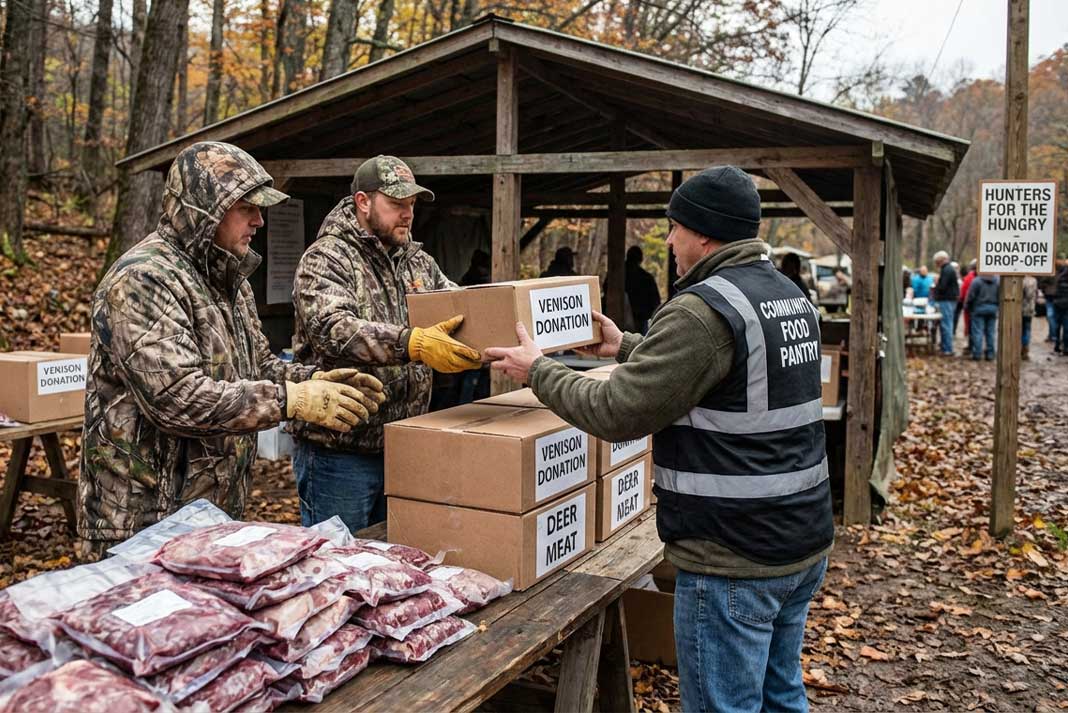
Recent shifts in community awareness have placed a heightened focus on the origins of food and its preparation. “People are starting to understand that hunting isn’t just a sport; it’s a vital means of obtaining food,” Grider stated. The Hunters Helping the Hungry (HHH) program embodies this ethos, bridging the gap between hunters and those facing food insecurity. It not only emphasizes the nutritional value of venison but also provides a platform for hunters to serve their communities meaningfully.
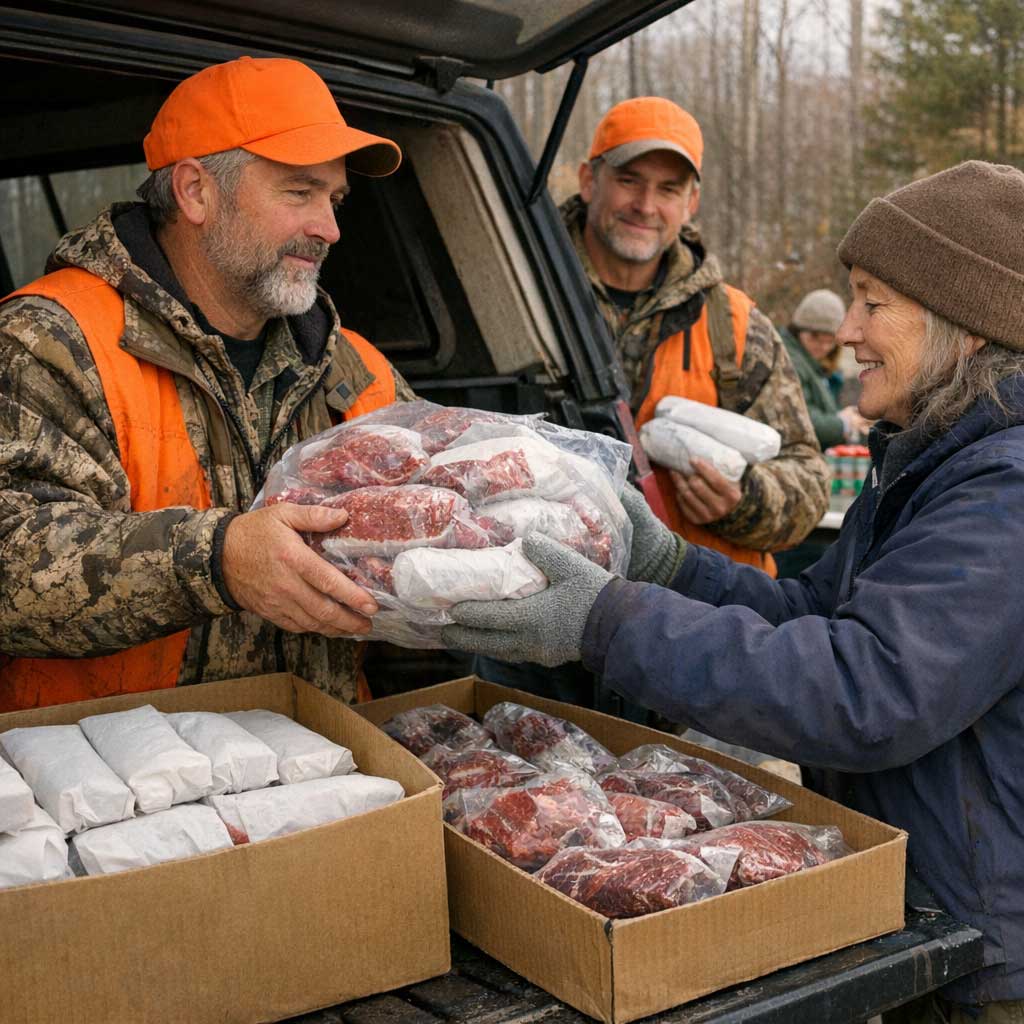
Under Grider’s stewardship, the program processes donated deer meat into ground venison—packaged and frozen for distribution to food banks statewide. Importantly, hunters incur no processing fees, with reimbursement rates rising from $1 to $2 per pound for participating processors. “Food banks are experiencing a high demand for protein, particularly ground meats suitable for versatile dishes like spaghetti, chili, and meatloaf,” Grider noted. As recipients sample venison for the first time, they often return avid for more, illuminating the meat’s delicious flavor and nutritional benefits.
Key Contributors to Success
In its three-year trajectory, the HHH initiative relies heavily on the dedication of participants, including Jennifer Dilly, an administrative support assistant who has been vital in its organization. “Jennifer manages the logistics, from coordinating with processors to overseeing food bank operations, ensuring everything runs seamlessly,” Grider remarked, emphasizing her indispensable role.
Why It Matters
This program exemplifies a harmonious intersection of ecological conservation and community welfare:
- Ecological Balance: Overpopulation of deer can lead to habitat degradation, affecting biodiversity. Programs like HHH help manage deer populations while simultaneously benefiting communities.
- Nutritional Support: In areas where protein sources are limited, the program addresses food insecurity directly, providing healthy alternatives.
- Community Engagement: By promoting hunting as a resource for sustainable food, HHH fosters a positive narrative around hunting, countering often negative perceptions.
Call to Action: Expanding HHH’s Reach
Despite its successes, gaps remain in processor participation throughout the state. Notably, southern Alabama, stretching from Dothan to Mobile, lacks participating processors. Grider urges hunters who know local processors to advocate for this valuable initiative. “It’s not too late for processors to join the program. The need for protein is urgent and widespread,” he asserted. Interested processors should reach out to (334) 242-3467 or contact Dilly at Jennifer.dilly@dcnr.alabama.gov.
Field Insights: Pro Tips for Hunters and Community Members
- Stay Informed: Understand local deer populations and their impact on ecosystems. Engage with wildlife management agencies for updates.
- Support Processing Facilities: Encourage local processors to join community initiatives like HHH, increasing the availability of protein options in food banks.
- Educate Others: Share knowledge about hunting’s role in food sustainability, helping to reshape public perception and understanding.
For more information, visit www.outdooralabama.com/hunting/hunters-helping-hungry. Here, you’ll find an interactive map of participating food banks and processors, as well as additional resources for hunters looking to make a difference in their communities.
Engage and empower; the balance between wildlife and community welfare is achievable, and it starts with informed and proactive individuals like you.