


Alabama’s Conservation Strategies: Securing Our Natural Treasures for Generations to Come
Embracing the Call of the Wild
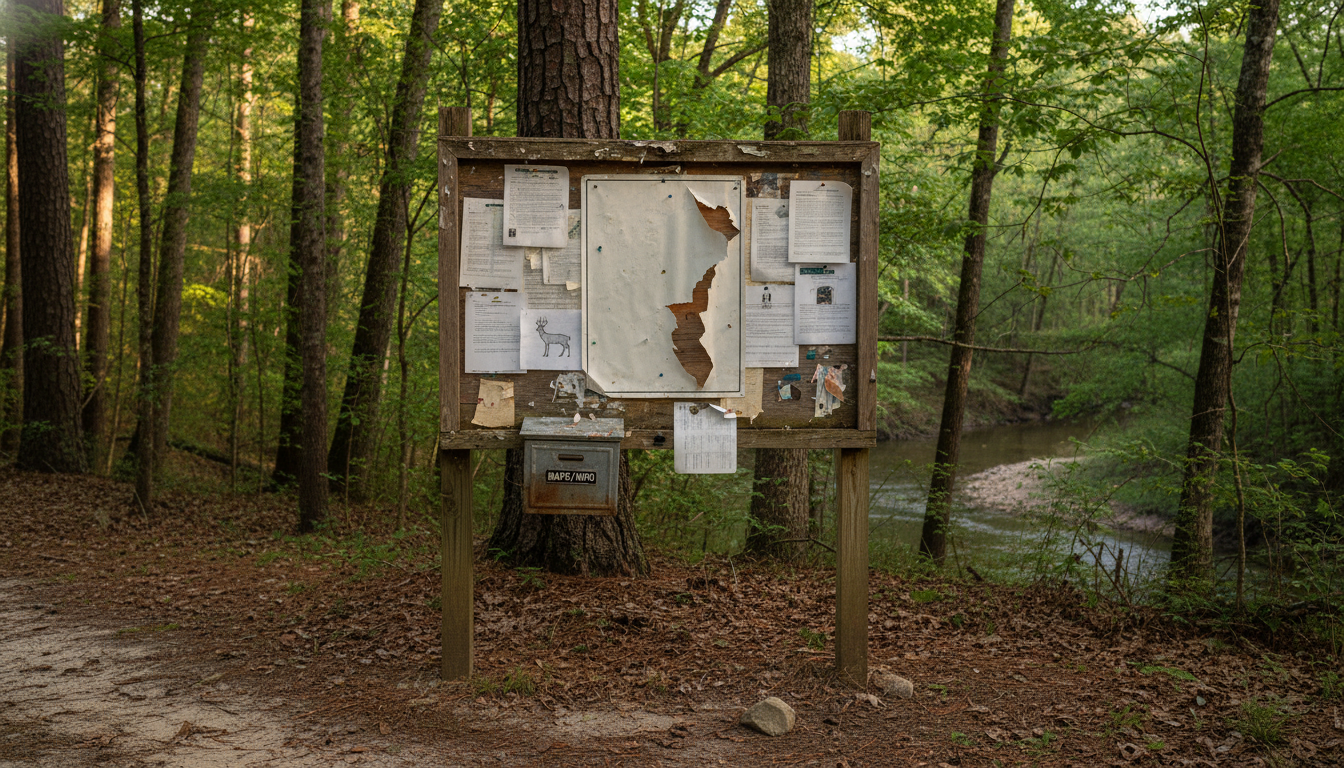
As the sun rises over the lush, rolling hills of Alabama, the call of the wild echoes through its diverse ecosystems—from the earthy banks of the Cahaba River to the verdant riparian corridors that support an array of wildlife. In this vibrant tapestry, the Alabama Department of Conservation and Natural Resources (ADCNR) stands as a crucial guardian, pioneering efforts aimed at managing and preserving the state’s rich natural resources.
Navigating the Conservation Landscape
In a recent initiative, ADCNR released strategic guidelines aimed at enhancing the management of Alabama’s diverse wildlife, burgeoning outdoor recreation opportunities, and crucial habitat preservation efforts. These guidelines push forward the department’s mission of sustaining Alabama’s ecosystems while fostering recreational enjoyment and economic growth.
Key initiatives include:
-
Wildlife Management Areas (WMAs): Alabama boasts over 750,000 acres of managed habitat dedicated to both wildlife conservation and hunting. Enhancements in access and resource allocation are underway to optimize wildlife populations’ carrying capacity, ensuring a robust ecosystem for future generations.
-
Aquatic Resources: The customization of fish stocking efforts across lakes and rivers is designed to support not just recreational anglers but also aquatic biodiversity. Increased focus on invasive species management is imperative to maintaining the health of our waterways.
-
Forestry and Land Conservation: With initiatives aimed at sustainable forestry practices, proactive land acquisition, and habitat restoration, ADCNR emphasizes the importance of preserving Alabama’s forested ecosystems. This reduces fragmentation, ensuring wildlife corridors remain intact.
These strategies underline the agency’s commitment to balance conservation with active public engagement in outdoor pursuits, signaling a future where nature and recreation can thrive side by side.
Why It Matters
The impact of ADCNR’s enhanced conservation approaches extends beyond mere aesthetics; it affects the very essence of Alabama’s environmental health and economic vitality.
-
For Hunters and Anglers: Improved wildlife populations and management strategies mean better hunting and fishing experiences. Sustainable practices ensure that these traditions can be passed down, solidifying Alabama’s status as a premier destination for outdoor enthusiasts.
-
For Conservationists: Efforts focused on habitat preservation, especially within WMAs, demonstrate a foundational commitment to biodiversity. Protecting these areas not only safeguards native species but also nurtures ecosystems that serve critical functions, from water filtration to carbon sequestration.
-
For Local Economies: Healthy natural resources underpin robust tourism and recreation sectors, vital for Alabama’s economy. As communities engage with their landscapes through outdoor activities, they bolster local businesses, creating jobs and fostering pride in regional heritage.
Field Insights: Tips for Engaging Responsibly with Alabama’s Wilds
As outdoor enthusiasts, understanding how to engage responsibly with our natural resources is paramount. Here are essential pro-tips for maximizing your experience in Alabama’s backcountry:
-
Stay Informed: Regularly check updates from the ADCNR website for changes in regulations, especially during hunting seasons or fishing tournaments.
-
Participate in Conservation Efforts: Engaging in local cleanup days or habitat restoration projects not only makes a difference but also enhances your connection to the land.
-
Respect Wildlife and Their Habitat: Familiarize yourself with Alabama’s diverse ecosystems to minimize your footprint. Stick to established trails and avoid disturbing riparian zones.
-
Observe Closely: Look for indicators of ecosystem health—such as diverse flora and signs of thriving wildlife. These signs are not just metrics of health; they enhance your outdoor experience.
In a state where wilderness meets community, fulfilling our role as stewards of the land is not just an obligation; it’s a shared journey toward sustainability. As Alabama embraces these strategies, the collaboration between citizens and conservationists becomes a powerful tool for securing our natural treasures for future generations.