


Alabama’s Red Snapper Fishing Season Wraps Up: A Successful Year for Anglers
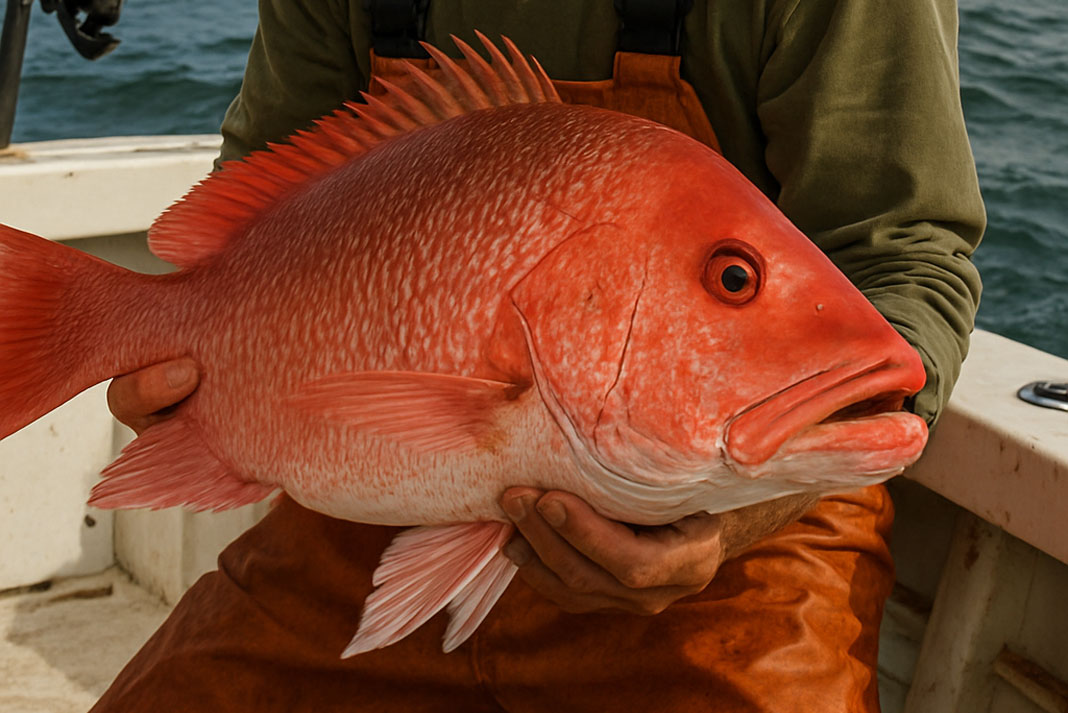
As the clock strikes midnight on December 31, 2025, Alabama’s private angler red snapper fishing season will officially come to a close, marking the end of a robust and unprecedented year for local fishermen. With a federal allocation of 664,552 pounds, this year’s season will be remembered not only for its extended duration but also for the exceptional catches along the Gulf Coast.
A Milestone for State Management
“This has been the first year that we’ve opened the red snapper season for fishing seven days a week under state management,” noted Chris Blankenship, Commissioner of the Alabama Department of Conservation and Natural Resources (ADCNR). The extended season, spanning 196 days in 2025, aimed to maximize access to this prized fishery, welcoming anglers from across the state to experience what many consider a cornerstone of Alabama’s aquatic resources.
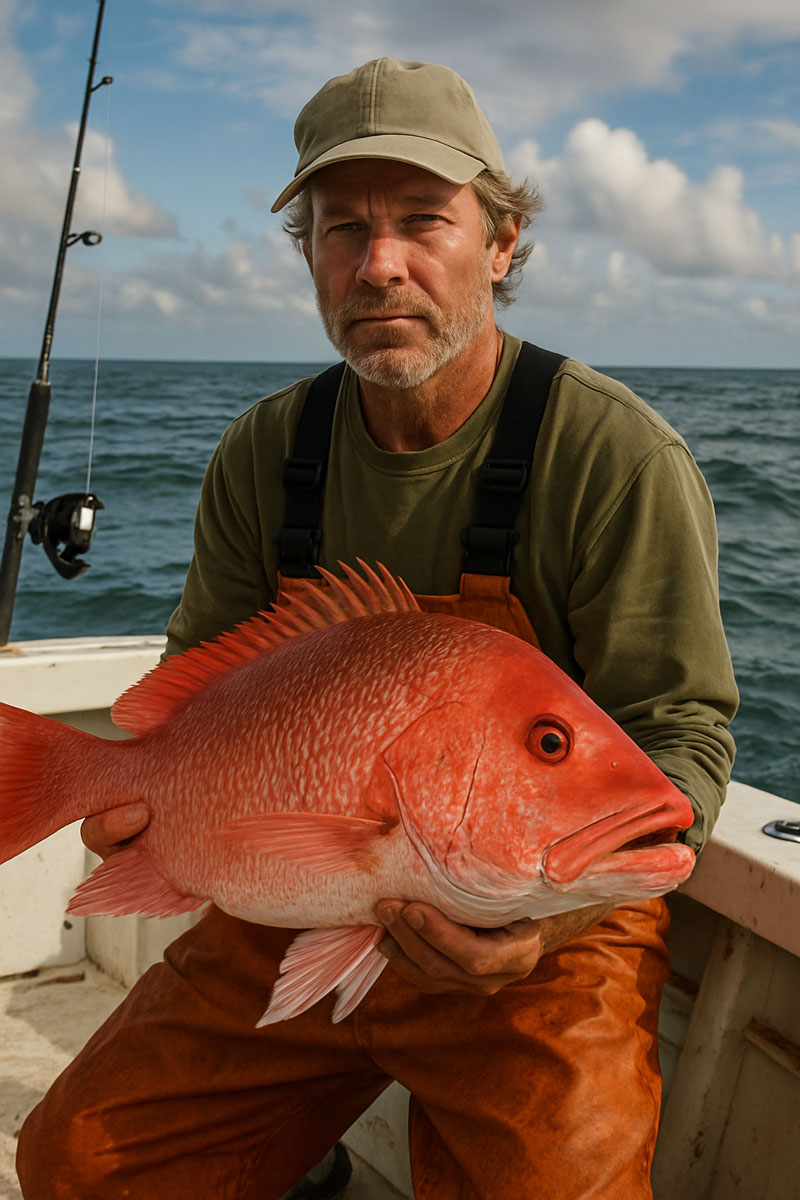
The calm seas over recent weekends have brought forth a bounty, with numerous boats returning to shore laden with limits of substantial red snapper. For families and friends who have made this fishing tradition part of their holiday celebrations, the prospect of including red snapper in the Feast of the Seven Fishes this year has made the season even more special.
The Future of Red Snapper Fisheries
Looking ahead, the 2026 allocation will remain at 664,552 pounds, ensuring continued opportunities for both recreational and charter anglers. The Marine Resources Division (MRD) will announce specific dates for next year’s fishing season in the spring, providing anticipation for enthusiasts eager to hit the waters once again.
It’s worth noting that the charter vessels with federal permits will also see their fishing days end at the stroke of midnight on December 31, 2025. Fishermen, whether seasoned professionals or weekend hobbyists, need to prepare for a new cycle of assessments and regulations that may impact their activities.
Why It Matters
Optimizing Access and Engagement
The implications of this successful season extend beyond just the pleasure of angling.
- Economic Impact: Robust access to the red snapper fishery boosts local economies, particularly coastal communities reliant on tourism and fishing.
- Conservation: Active management efforts promote sustainable fishing practices that help maintain healthy fish populations. This proactive approach ensures that future generations of anglers can continue to enjoy these rich waters.
- Cultural Significance: For many families along the Alabama coast, fishing is more than a sport; it’s woven into the fabric of their community and traditions. The Feast of the Seven Fishes symbolizes the cultural importance of this fishery, fostering connection among families and friends.
Field Insights: Pro-Tips for Anglers
As we say goodbye to the 2025 season, here are some essential tips for the upcoming year:
- Stay Updated: Keep an eye on MRD announcements for the latest regulations and allocation updates, which can impact your fishing plans.
- Plan for Early Trips: If you’re hoping to catch red snapper next year, consider making plans for the early days of the season, as the most promising catches often happen right after opening.
- Explore New Areas: Don’t limit your fishing to popular spots—consider venturing offshore or to newly designated areas that may yield surprising results.
For more detailed red snapper harvest data from the 2023-2025 seasons, visit Outdoor Alabama’s website.
The ADCNR continues its commitment to responsible stewardship of Alabama’s natural resources through its four divisions: Marine Resources, State Lands, State Parks, and Wildlife and Freshwater Fisheries. To learn more about how you can enjoy these resources sustainably, visit Outdoor Alabama.