


Alabama Secures $13 Million to Restore Gulf Coast Ecosystems: A Lifeline for Conservation
From Oil Spill to Restoration: Alabama’s Bold Conservation Initiatives
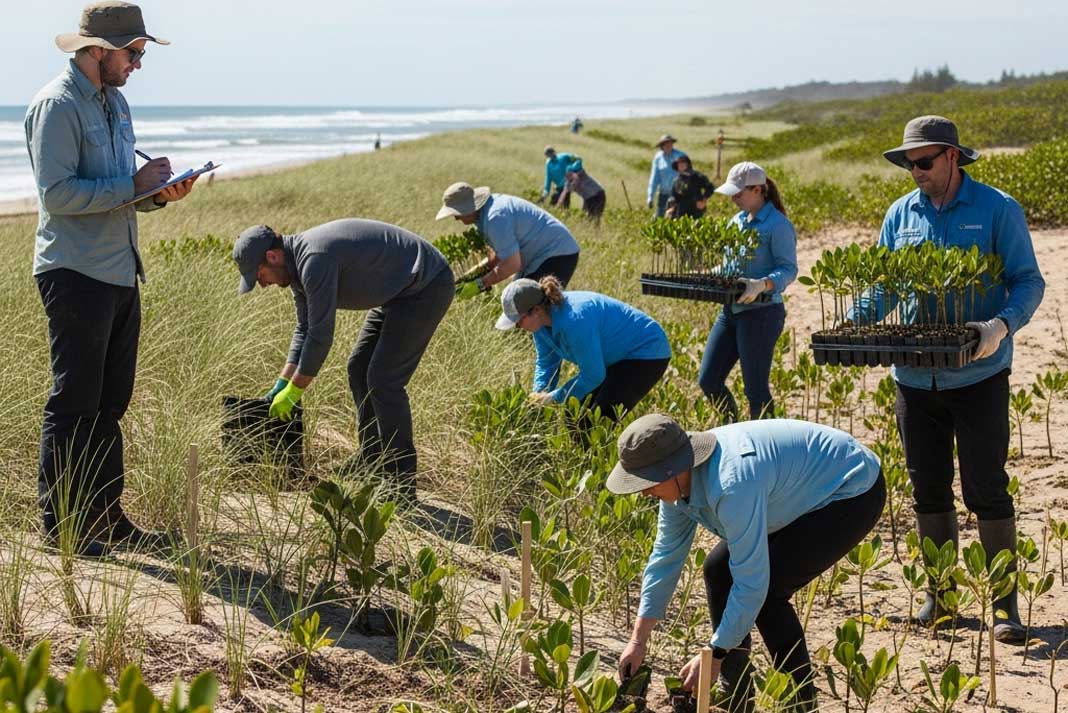
In an ambitious move to invigorate its fading coastal ecosystems, Alabama has secured over $13 million from the National Fish and Wildlife Foundation’s (NFWF) Gulf Environmental Benefit Fund. This infusion of funds promises to play a pivotal role in ongoing efforts to restore and protect the fragile natural resources deeply affected by the catastrophic 2010 Deepwater Horizon oil spill.
A Two-Pronged Restoration Approach
The funding will support two substantial conservation projects that reflect a commitment to mitigating coastal erosion and enhancing marine habitats.
1. Little Dauphin Island Shoreline Restoration
The first project envisions a renaissance for Little Dauphin Island’s rapidly eroding shores, safeguarding approximately 850 acres of conservation land within the Bon Secour National Wildlife Refuge. This initiative not only addresses soil stabilization but also aims to enhance the water quality in Dauphin Island Bay. With healthier riparian environments, wildlife populations can flourish, ushering in improved ecological balance.
2. Marsh Habitat Restoration at Salt Aire
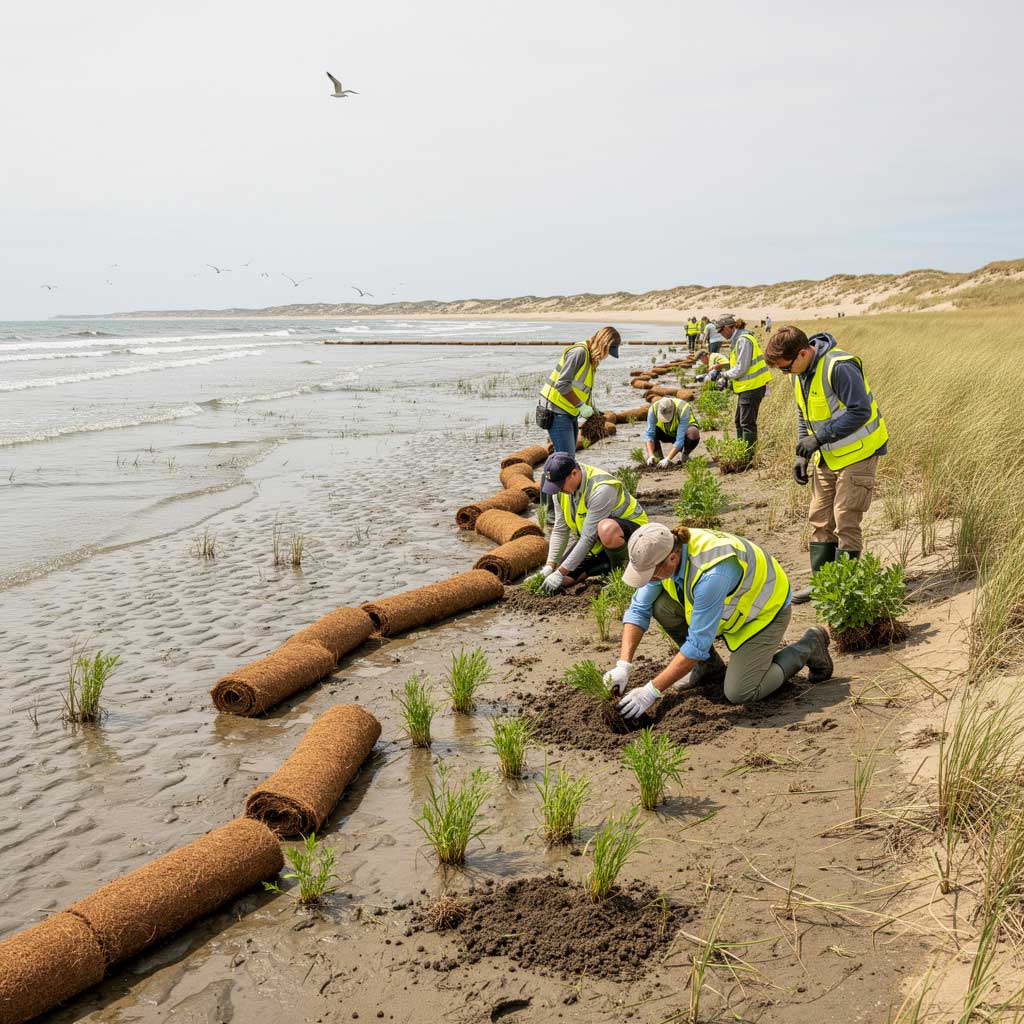
The second project, which has undergone recent amendments, plans to construct additional breakwaters and revitalize up to 30 acres of marsh habitat along the western shores of Mobile Bay. These protective structures will shield delicate marsh ecosystems from further degradation while providing essential habitat for a variety of species, from fish to migratory birds.
Why It Matters
Long-Term Implications for Conservation and Recreation
The significance of these projects extends far beyond immediate restoration; they represent a new chapter in Alabama’s conservation narrative.
- Wildlife Benefits: These initiatives will bolster habitat integrity, offering critical support to various species that rely on coastal ecosystems, including shorebirds and marine life.
- Enhancing Outdoor Recreation: For hunters, anglers, and hikers, these restored areas will enrich outdoor experiences, creating new opportunities for sustainable wildlife observation and fishing, thereby boosting local economies that depend on eco-tourism.
- Water Quality Assurance: Improved water quality not only aids wildlife but also enhances recreational activities like kayaking and swimming, making the region more attractive to outdoor enthusiasts.
Field Insights: Pro-Tips for Engaging with Nature
As these conservation projects unfold, outdoor enthusiasts can look forward to revitalized natural spaces. Here are a few insights to maximize your experience in these newly restored areas:
- Watch for Wildlife: Be on the lookout for reintroduced species and migratory birds that are likely to flourish in restored habitats. Bring binoculars for birdwatching during peak migration seasons.
- Practice Leave No Trace: With increased visitor traffic expected in these areas, it’s crucial to respect wildlife and maintain the integrity of natural spaces by following Leave No Trace principles.
- Study Local Flora and Fauna: Consider bringing a field guide or downloading an app to identify local plant and animal species. Engaging with these natural resources can deepen your appreciation for Alabama’s ecosystems.
Alabama’s $13 million investment signifies a commitment not only to reclaiming its coastal ecosystems but also to nurturing the intrinsic relationship between nature and community. As restoration efforts take shape, the state’s Gulf coast stands poised to reclaim its role as a sanctuary for wildlife and a cherished destination for outdoor lovers.